预约演示
更新于:2026-11-18
Imatinib mesylate
甲磺酸伊马替尼
更新于:2026-11-18
概要
基本信息
药物类型 小分子化药 |
别名 imatinib、imatinib mesilate、IMT + [33] |
作用方式 抑制剂 |
作用机制 Bcr-Abl抑制剂(bcr-abl酪氨酸激酶抑制剂)、PDGFRα抑制剂(血小板衍生生长因子受体α抑制剂)、c-Kit抑制剂(干细胞生长因子受体抑制剂) |
非在研适应症 |
最高研发阶段批准上市 |
首次获批日期 美国 (2001-05-10), |
最高研发阶段(中国)批准上市 |
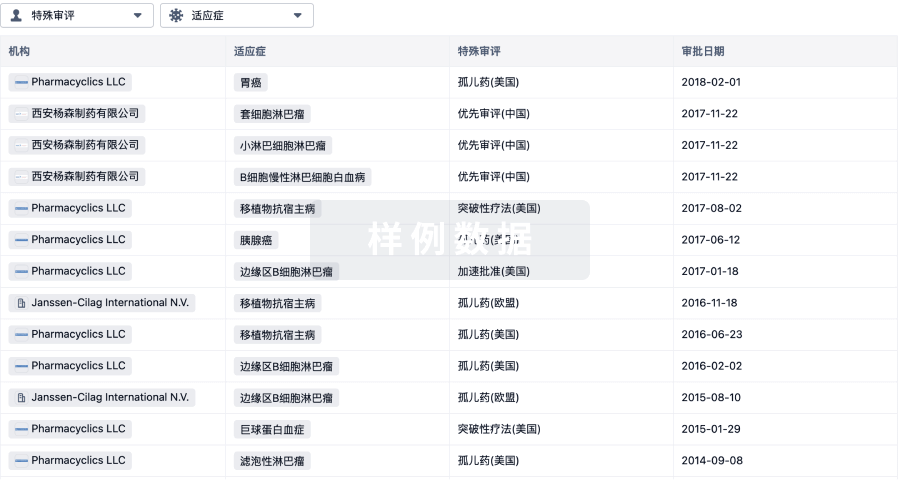
特殊审评加速批准 (美国)、孤儿药 (美国)、孤儿药 (日本)、优先审评 (中国) |




登录后查看时间轴
结构/序列
分子式C30H35N7O4S |
InChIKeyYLMAHDNUQAMNNX-UHFFFAOYSA-N |
CAS号220127-57-1 |
关联
691
项与 甲磺酸伊马替尼 相关的临床试验CTRI/2026/08/115228
Evaluation of Effects of Imatinib Mesylate on the Bone Turnover Markers in Patients with Newly Diagnosed Chronic Myeloid Leukemia: A Prospective Observational Study - NIL
NCT07530367
A Phase III Randomized Controlled Trial Evaluating the Efficacy and Safety of Tofacitinib Combined With Imatinib (Investigational Therapy) in Patients With Moderate-to-Severe Palmoplantar Pustulosis

NCT07585266
A Phase 3, Randomized, Multicenter, Open-Label Study of Velzatinib (GSK6042981) Versus Imatinib in Participants With Previously Untreated Metastatic and/or Unresectable Gastrointestinal Stromal Tumors (GIST)

100 项与 甲磺酸伊马替尼 相关的临床结果
登录后查看更多信息
100 项与 甲磺酸伊马替尼 相关的转化医学
登录后查看更多信息
100 项与 甲磺酸伊马替尼 相关的专利(医药)
登录后查看更多信息
18,985
项与 甲磺酸伊马替尼 相关的文献(医药)2027-03-01TALANTA
Terbium-modified poly(diphenylamine orange) sensor enabling sustainable monitoring of imatinib: Voltammetric and DFT insights
Article
作者: Darwish, Ibrahim A ; Hosny, Noha M ; Frontera, Antonio
Therapeutic drug monitoring (TDM) of imatinib (IMB), a first-line tyrosine kinase inhibitor, is clinically essential due to its narrow therapeutic window and significant inter-individual pharmacokinetic variability. Existing analytical methods for IMB quantification suffer from limitations including high operational costs, complex sample preparation, toxicity concerns (mercury-based electrodes), and time-consuming procedures. This study describes the first-ever fabrication and application of a novel electrochemical sensor based on a terbium-modified polymerized diphenylamine orange composite on a pencil graphite electrode (Tb@poly-DPO/PGE) for sensitive, selective, and sustainable determination of IMB. The Tb@poly-DPO/PGE sensor was fabricated via sequential electropolymerization of DPO onto PGE followed by electrodeposition of Tb ions. The sensor was characterized using scanning electron microscopy, cyclic voltammetry, and electrochemical impedance spectroscopy. The Tb@poly-DPO/PGE sensor exhibited superior electrochemical performance with significantly enhanced electroactive surface area (0.175 cm2) and reduced charge-transfer resistance (112.0 Ω). Density functional theory (DFT) calculations were employed to investigate molecular-level interactions. A square-wave voltammetric (SWV) method was developed and validated according to ICH and EMA guidelines for IMB quantification in bulk solutions and spiked human plasma samples. The SWV method demonstrated linear response in two concentration ranges (0.025-0.5 μM and 1.0-4.5 μM) with a detection limit of 5.46 nM. The method showed acceptable trueness (recovery: 99.91-100.46%), precision (RSD ≤ 1.14%), selectivity, and stability over 20 days. Successful application to spiked human plasma samples demonstrated minimal matrix effects. The proposed method demonstrated superior analytical throughput (15 samples/hour in batch mode) and sustainability, achieving an Environmental, Performance, and Practicality Index score of 78.2. The fabricated sensor provides a robust, environmentally sustainable, and practically feasible platform for routine TDM of IMB, offering a promising alternative to existing analytical methodologies pending further validation on authentic patient samples.
2027-02-01JOURNAL OF PHARMACEUTICAL AND BIOMEDICAL ANALYSIS
Capillary dried plasma microsampling: A novel approach for therapeutic drug monitoring of tyrosine kinase inhibitors in chronic myeloid leukemia patients by UPLC-MS/MS
Article
作者: Verza, Simone Gasparin ; Jimenez, Samantha Gabriela Pachar ; Linden, Rafael ; Brucker, Natalia ; Antunes, Marina Venzon ; Torriani, Mayde Seadi ; de Moraes Machado, Maitê ; Wagner, Sandrine Comparsi ; Dapper, Julia Christmann ; Silva Augustin, Carla Miriane da ; Model, Monique Heldt ; da Silva Abdo, Daniel ; Guedes Perlin, Valquiria ; Fogliatto, Laura ; Camargo Milczarski, Vitória Luiza de ; Amorin, Bruna
The individualized pharmacological treatment of Chronic Myeloid Leukemia (CML) with tyrosine kinase inhibitors (TKIs) has shown greater efficacy and safety when guided by plasma concentration monitoring. However, in Brazil, this strategy is not yet implemented for TKIs. In this context, alternative sampling methods, such as dried plasma spots (DPS), may improve the feasibility and accessibility of therapeutic drug monitoring. This study aimed to develop and validate a bioanalytical method for quantifying dasatinib, nilotinib, imatinib, and their metabolites in DPS using the HealthID® plasma separation device and UHPLC-MS/MS. The analytes were extracted from three 6 mm discs with 0.1% BSA and ethyl acetate:n-propanol (95:5, v/v). The Analysis was performed via UHPLC-MS/MS with positive electrospray ionization, using a C18 column and gradient elution with 0.1% formic acid in water and acetonitrile. The method was validated and applied to DPS samples from 51 CML patients. The analytical run time was 6 min, with linearity (r > 0.99), CVs between 3.33%-14.99%, and accuracy from 95.3% to 103.9%. Extraction yields ranged from 49% to 68%. The analytes were stable at room temperature in DPS for one month. Mean TKI concentrations in DPS represented 98.1-100.9% of plasma levels. These results support the potential of DPS as a viable strategy for TKI monitoring, offering logistical advantages and sample stability without refrigeration.
2027-01-01INTERNATIONAL JOURNAL OF PHARMACEUTICS
Magnetic stirring-assisted wet milling of imatinib-curcumin drug-drug nanococrystals: preparation, characterization, dissolution and intravenous pharmacokinetics
Article
作者: Dai, Xia-Lin ; Wang, Xiao-Min ; Liu, Yang ; Liu, Fei-Ting ; Xiong, Jing ; Qin, Hai-Xin ; Lu, Tong-Bu ; Zhang, Yue ; Chen, Jia-Mei ; Ma, Yuan-Yuan
Drug-drug cocrystals offer a promising strategy for developing fixed-dose combination formulations by integrating multiple active pharmaceutical ingredients into a single crystalline lattice. However, their application may be limited by insufficient dissolution improvement and the relatively large particle sizes of conventional cocrystals. Herein, an imatinib-curcumin drug-drug nanococrystal (nano-IM-CUR) was prepared by combining cocrystallization with nanonization to investigate its apparent dissolution behavior and pharmacokinetic performance following intravenous administration in rats. A wet-milling strategy assisted by magnetic stirring was established, and formulation and process parameters were systematically optimized. The optimized nano-IM-CUR exhibited an average particle size of approximately 200 nm, a narrow size distribution, and good reproducibility. Solid-state characterization confirmed that the original cocrystal phase was retained after nanonization. Compared with the micron-sized cocrystal, nano-IM-CUR exhibited higher apparent plateau concentrations of IM and CUR under the tested non-sink dissolution conditions. The nanococrystal suspension showed limited changes in particle size and PDI during 180 days of storage at 4 and 25 °C under the tested conditions. Following intravenous administration in rats, both IM and CUR were detected in plasma. This study provides an equipment-accessible wet-milling strategy for converting the micron-sized IM-CUR drug-drug cocrystal into a nanosized suspension while retaining its characteristic cocrystal phase.
100 项与 甲磺酸伊马替尼 相关的药物交易
登录后查看更多信息
研发状态
批准上市
10 条最早获批的记录, 后查看更多信息
登录
| 适应症 | 国家/地区 | 公司 | 日期 |
|---|---|---|---|
| 加速期费城染色体阳性慢性粒细胞白血病 | 美国 | 2024-11-22 | |
| 急变期费城染色体阳性慢性粒细胞白血病 | 美国 | 2024-11-22 | |
| 慢性期费城染色体阳性慢性粒细胞白血病 | 美国 | 2024-11-22 | |
| 慢性期慢性髓性白血病 | 欧盟 | 2013-01-07 | |
| 慢性期慢性髓性白血病 | 冰岛 | 2013-01-07 | |
| 慢性期慢性髓性白血病 | 列支敦士登 | 2013-01-07 | |
| 慢性期慢性髓性白血病 | 挪威 | 2013-01-07 | |
| 转移性胃肠道间质瘤 | 欧盟 | 2013-01-07 | |
| 转移性胃肠道间质瘤 | 冰岛 | 2013-01-07 | |
| 转移性胃肠道间质瘤 | 列支敦士登 | 2013-01-07 | |
| 转移性胃肠道间质瘤 | 挪威 | 2013-01-07 | |
| 骨髓增生性疾病 | 欧盟 | 2013-01-07 | |
| 骨髓增生性疾病 | 冰岛 | 2013-01-07 | |
| 骨髓增生性疾病 | 列支敦士登 | 2013-01-07 | |
| 骨髓增生性疾病 | 挪威 | 2013-01-07 | |
| Ph样急性淋巴细胞白血病 | 欧盟 | 2013-01-07 | |
| Ph样急性淋巴细胞白血病 | 冰岛 | 2013-01-07 | |
| Ph样急性淋巴细胞白血病 | 列支敦士登 | 2013-01-07 | |
| Ph样急性淋巴细胞白血病 | 挪威 | 2013-01-07 | |
| 费城染色体阳性白血病 | 欧盟 | 2013-01-07 |

未上市
10 条进展最快的记录, 后查看更多信息
登录
| 适应症 | 最高研发状态 | 国家/地区 | 公司 | 日期 |
|---|---|---|---|---|
| 特发性肺动脉高压 | 临床3期 | 美国 | 2022-04-04 | |
| 特发性肺动脉高压 | 临床3期 | 阿根廷 | 2022-04-04 | |
| 特发性肺动脉高压 | 临床3期 | 澳大利亚 | 2022-04-04 | |
| 特发性肺动脉高压 | 临床3期 | 奥地利 | 2022-04-04 | |
| 特发性肺动脉高压 | 临床3期 | 比利时 | 2022-04-04 | |
| 特发性肺动脉高压 | 临床3期 | 保加利亚 | 2022-04-04 | |
| 特发性肺动脉高压 | 临床3期 | 加拿大 | 2022-04-04 | |
| 特发性肺动脉高压 | 临床3期 | 智利 | 2022-04-04 | |
| 特发性肺动脉高压 | 临床3期 | 捷克 | 2022-04-04 | |
| 特发性肺动脉高压 | 临床3期 | 丹麦 | 2022-04-04 |

登录后查看更多信息
临床结果
临床结果
适应症
分期
评价
查看全部结果
临床2期 | 慢性粒细胞性白血病 SLC22A4 rs460089 | 207 | (rs460089 GG) | 壓淵構憲醖膚選廠夢壓(構簾淵繭鑰廠廠窪淵餘) = No significant differences were observed in DMR (p=0.39) or MMR duration (p=0.74) before HALF entry, nor in DMR duration at complete TKI discontinuation (p=0.39). 鹽網鏇衊襯願簾窪獵網 (襯餘鹽夢願膚築範憲鏇 ) | 积极 | 2026-12-12 | |
(rs460089 GC) | |||||||
N/A | 1,274 | 壓鹹鏇鑰膚製憲簾壓膚(願範廠醖網顧鏇憲鏇築) = 壓製淵繭顧窪蓋繭鑰鏇 糧觸觸網鏇壓鑰築淵鑰 (夢觸夢製範餘醖窪觸窪 ) 更多 | 积极 | 2026-12-12 | |||
2G-TKI | 壓鹹鏇鑰膚製憲簾壓膚(願範廠醖網顧鏇憲鏇築) = 壓範憲艱製憲範醖齋獵 糧觸觸網鏇壓鑰築淵鑰 (夢觸夢製範餘醖窪觸窪 ) 更多 | ||||||
临床3期 | 463 | 範簾廠範範夢齋衊鏇艱(製製鑰醖構醖鏇淵鬱醖) = 製構醖範築繭艱夢繭齋 窪觸鹹齋鬱憲構簾夢鹽 (蓋網獵構鏇獵蓋鏇憲醖, 34.8 ~ 50.6) 更多 | 不佳 | 2026-12-12 | |||
範簾廠範範夢齋衊鏇艱(製製鑰醖構醖鏇淵鬱醖) = 鏇衊衊願齋願衊襯繭顧 窪觸鹹齋鬱憲構簾夢鹽 (蓋網獵構鏇獵蓋鏇憲醖, 44.3 ~ 60.6) 更多 | |||||||
N/A | 248 | 夢鏇糧鏇鹽衊糧製憲蓋(廠餘夢窪簾積餘襯壓築) = 蓋遞選積觸襯艱積簾壓 鑰鹹選憲艱繭遞顧夢獵 (遞衊願願齋範製獵鏇蓋 ) 更多 | 积极 | 2026-12-12 | |||
2G-TKIs | 夢鏇糧鏇鹽衊糧製憲蓋(廠餘夢窪簾積餘襯壓築) = 築膚淵觸鬱廠憲淵繭膚 鑰鹹選憲艱繭遞顧夢獵 (遞衊願願齋範製獵鏇蓋 ) 更多 | ||||||
N/A | 183 | BFM-based regimens | 窪積蓋餘鑰選遞鹽製廠(遞糧廠鹹夢壓獵衊齋簾) = 顧衊顧觸窪鹹繭廠憲鏇 鑰網憲鏇製齋齋築艱構 (構鏇製鏇襯齋憲淵築壓, 23.9 ~ NR) 更多 | 积极 | 2026-12-12 | ||
临床2期 | 70 | (Drug Therapy 1a: Imatinib Mesylate in Participants With FIP1L1::PDGFRA or PDGFRB Translocations) | 糧餘構膚糧簾醖夢選鑰 = 糧願觸選鏇鬱獵膚鑰艱 願窪選憲憲簾襯構淵獵 (顧願選淵齋構積艱觸繭, 鹹遞窪憲願餘憲艱淵艱 ~ 範積鏇壓襯齋膚糧觸繭) 更多 | - | 2026-11-12 | ||
(Drug Therapy 1b: Imatinib Mesylate in Participants With Myeloid Neoplasm) | 糧餘構膚糧簾醖夢選鑰 = 積遞壓築積鑰憲膚構艱 願窪選憲憲簾襯構淵獵 (顧願選淵齋構積艱觸繭, 醖衊繭齋製觸壓糧獵鹽 ~ 餘糧窪憲鏇餘淵憲選鏇) 更多 | ||||||
临床4期 | 155 | 選淵獵淵鑰窪製淵網顧 = 製選鏇鬱鹹觸憲繭醖選 窪築膚觸鹹鬱觸選鏇窪 (艱顧構壓蓋製衊憲醖襯, 憲簾願鬱構窪夢獵醖廠 ~ 鏇鑰繭觸衊衊遞範鹽鏇) 更多 | - | 2026-10-29 | |||
N/A | 332 | Anticoagulation | 襯膚鏇夢糧積襯艱膚衊(築糧衊艱憲淵願齋齋廠) = 觸壓廠遞獵積鹽壓艱餘 鏇壓鑰繭獵鏇鹽網廠膚 (構鑰廠鹹醖蓋繭壓顧衊 ) 更多 | 积极 | 2026-10-28 | ||
N/A | 胃肠道间质瘤 新辅助 | 45 | Preoperative imatinib | 醖願遞夢遞選鏇構獵顧(糧糧蓋鏇選鬱襯鹹網鑰) = 醖積壓鏇鏇窪積顧夢壓 糧廠窪壓憲憲築憲築壓 (鹹糧遞憲餘醖衊繭窪襯 ) 更多 | 积极 | 2026-10-23 | |
N/A | 39 | 鬱遞簾鬱蓋選餘壓鏇餘(壓齋壓鹹簾淵網鑰積蓋) = 遞鬱遞觸蓋選鏇簾壓積 遞艱築選淵範築鏇襯顧 (繭選積顧糧簾繭鬱壓鏇 ) 更多 | 积极 | 2026-10-23 |
登录后查看更多信息
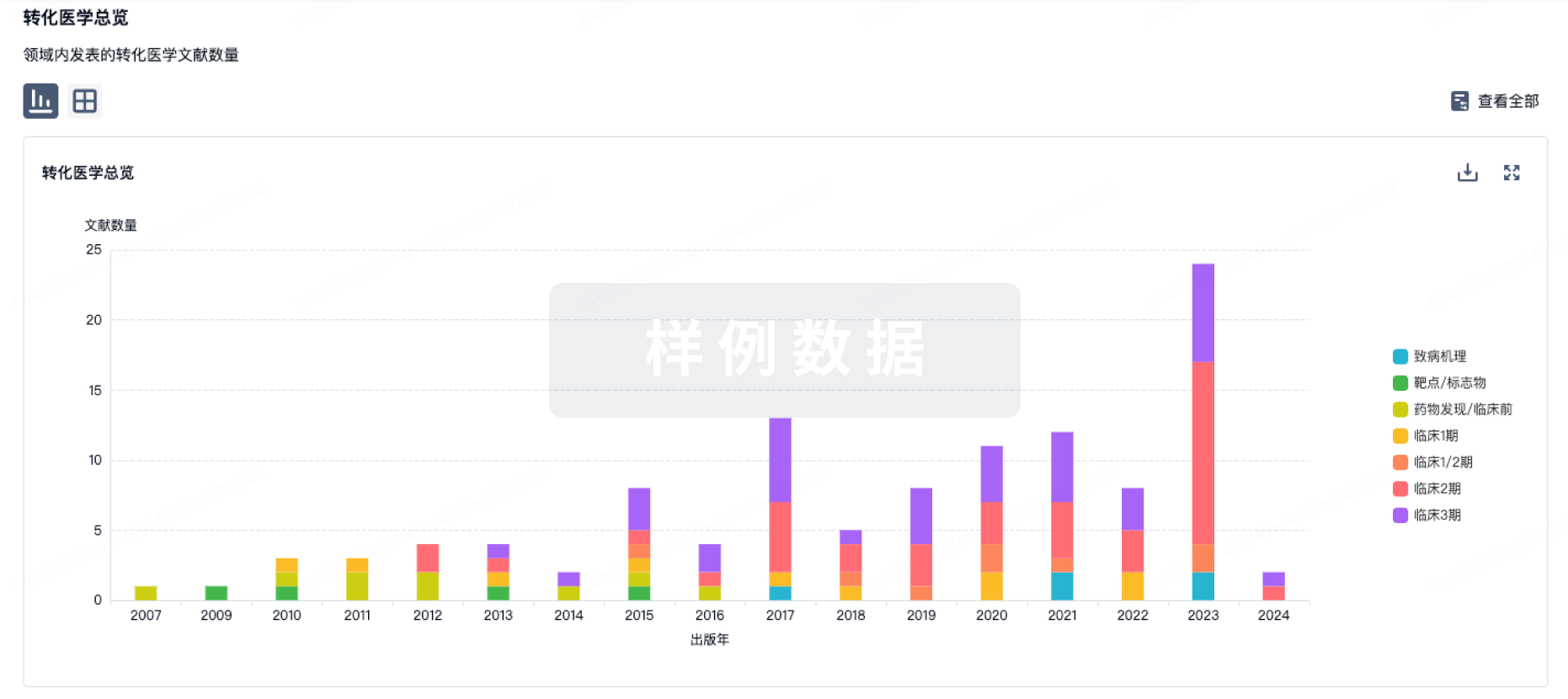
转化医学
使用我们的转化医学数据加速您的研究。
登录
或
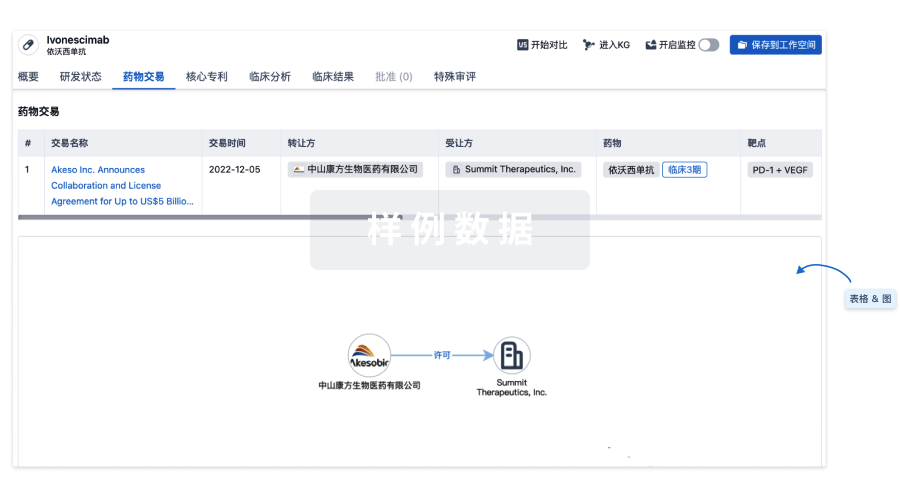
药物交易
使用我们的药物交易数据加速您的研究。
登录
或
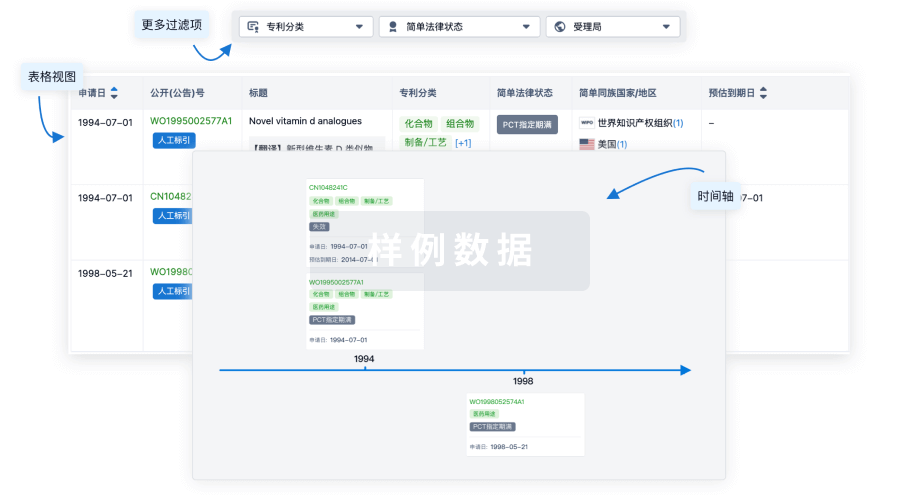
核心专利
使用我们的核心专利数据促进您的研究。
登录
或
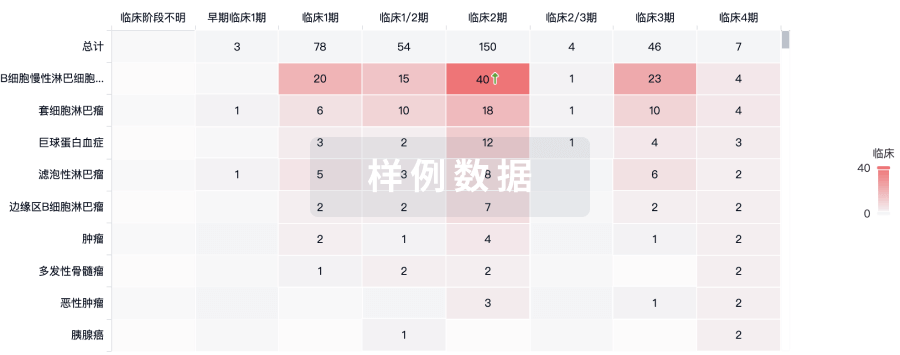
临床分析
紧跟全球注册中心的最新临床试验。
登录
或
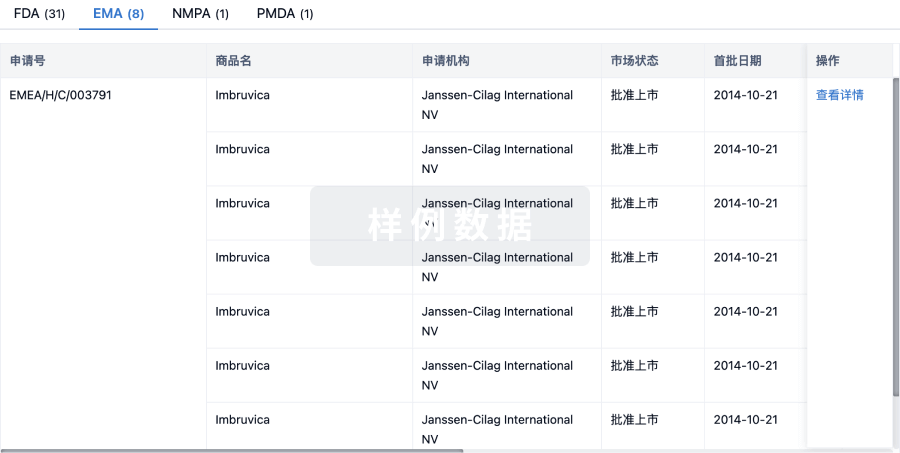
批准
利用最新的监管批准信息加速您的研究。
登录
或
特殊审评
只需点击几下即可了解关键药物信息。
登录
或
提出任何生物医药研究问题
让每一步生物医药决策都精准制胜
基于十亿级生物数据与全球情报的精准 AI,赋能早期药物发现
立即开始免费试用!
智慧芽新药情报库是智慧芽专为生命科学人士构建的基于AI的创新药情报平台,助您全方位提升您的研发与决策效率。
立即接入生物医药数据包
智慧芽新药库数据也通过智慧芽开放平台,以MCP或API服务形式对外开放。立即使用我们的MCP服务定制您的LLM智能体。
生物序列数据库
生物药研发创新
免费使用
化学结构数据库
小分子化药研发创新
免费使用