预约演示
更新于:2026-10-23
Pembrolizumab
帕博利珠单抗
更新于:2026-10-23
概要
基本信息
药物类型 单克隆抗体 |
别名 Lambrolizumab、Pembrolizumab (Genetical Recombination)、Pembrolizumab (genetical recombination) (JAN) + [12] |
靶点 |
作用方式 抑制剂 |
作用机制 PD-1抑制剂(细胞程序性死亡-1抑制剂) |
在研适应症 |
非在研适应症 |
最高研发阶段批准上市 |
首次获批日期 美国 (2014-09-04), |
最高研发阶段(中国)批准上市 |
特殊审评加速批准 (美国)、孤儿药 (美国)、优先药物(PRIME) (欧盟)、孤儿药 (日本)、孤儿药 (澳大利亚)、突破性疗法 (中国)、优先审评 (澳大利亚)、优先审评 (美国)、附条件批准 (中国)、优先审评 (中国)、突破性疗法 (美国) |







登录后查看时间轴
结构/序列
Sequence Code 93660H

来源: *****
Sequence Code 93670L
来源: *****
关联
2,772
项与 帕博利珠单抗 相关的临床试验NCT06093425
A Phase 3, Randomized, Double-blind, Placebo-controlled Study Evaluating Combination of TST001, Pembrolizumab and Chemotherapy as First-Line Treatment in Subjects With Claudin18.2 Positive Locally Advanced or Metastatic Gastric or Gastroesophageal Junction (G/GEJ) Adenocarcinoma
NCT04266730
Phase I Trial of a Personalized and Adaptive Neoantigen Dose-Adjusted Vaccine Administered Concurrently With Pembrolizumab
NCT07843550
A Phase 1/2 Trial Of Larotrectinib And Pembrolizumab In Patients With Solid Tumors Previously Treated With Immune Checkpoint Inhibitor Monotherapy

100 项与 帕博利珠单抗 相关的临床结果
登录后查看更多信息
100 项与 帕博利珠单抗 相关的转化医学
登录后查看更多信息
100 项与 帕博利珠单抗 相关的专利(医药)
登录后查看更多信息
10,744
项与 帕博利珠单抗 相关的文献(医药)2026-12-31INTERNATIONAL JOURNAL OF HYPERTHERMIA
Focused ultrasound ablation surgery combined with immune checkpoint inhibition in driver-gene wild-type NSCLC with liver metastasis: a feasibility study
Article
作者: Wang, Ting ; Chen, Jinyun ; Ouyang, Bing ; Chen, Li ; Chen, Wenzhi
BACKGROUND:
This single-arm, open-label clinical trial aimed to evaluate the preliminary safety, efficacy and feasibility of focused ultrasound ablation surgery (FUAS) sequential with immune checkpoint inhibitors (ICIs) in patients with driver-gene wild-type non-small cell lung cancer (NSCLC) and liver metastases.
MATERIALS AND METHODS:
Ten eligible patients received two cycles of FUAS sequential with ICIs. The ICIs used include Camrelizumab (7/10), Pembrolizumab (3/10) and Serplulimab used for immune rechallenge (1/10). Follow-up was conducted every 6 weeks ± 3 days, including imaging and hematological assessments. Treatment-related adverse events (AEs) were documented anytime.
RESULTS:
All participants demonstrated stable tolerability and safety in this trial. Immediate post-FUAS ablation rates ranged from 73% to 80%. The median follow-up time is 84 days (IQR, 42-127 days). From baseline to week 18, continuous shrinkage of both hepatic metastatic and target lesions was observed. The DCR of the tumor has reached 80% since the 2nd follow-up (12 weeks), and it remains at 50% until the 4th follow-up (24 weeks).
CONCLUSION:
FUAS sequential with ICIs suggests preliminary safety, activity and feasibility in treating driver-gene wild-type NSCLC patients with liver metastases, further validation is needed.
2026-12-31Human Vaccines & Immunotherapeutics
Durable response of anaplastic thyroid cancer to pembrolizumab combined with chemotherapy: A case report
Article
作者: Zhuang, Yihan ; Chen, Qiongshan ; Lin, Wen ; Chen, Zipei
Anaplastic thyroid cancer is a notoriously aggressive malignancy with a dismal prognosis, typically associated with a median overall survival of less than one year. Therapeutic alternatives are particularly limited for patients without actionable driver mutations. Here, we report a case of BRAF V600E wild-type, PD-L1-positive (tumor proportion score of 80%) anaplastic thyroid cancer with residual/relapsed disease following surgery and subsequent progression on multi-targeted tyrosine kinase inhibitor therapy. The patient was thereafter treated with a combination of pembrolizumab, nab-paclitaxel and carboplatin, resulting in a sustained near-complete response lasting over 30 months, accompanied by a manageable safety profile. The favorable response in this case suggests that further evaluation of this triplet regimen could be considered for anaplastic thyroid cancer, though this remains a speculative premise requiring validation. Further studies are also needed to clarify the underlying mechanisms of this combination and to identify predictive biomarkers for patient selection.
2026-12-31OncoImmunology
A mixed inflammatory peripheral signature defines clinical outcomes in a phase II trial combining pembrolizumab with paclitaxel and carboplatin in melanoma
Article
作者: Cocolakis, Eftihia ; Cailhier, Jean-François ; Lapointe, Réjean ; Thébault, Paméla ; Shechtman, Yelena ; Lepage, Stéphanie ; Letendre, Caroline ; Le, Huy ; Dionne, Jeanne ; Bélanger, Karl ; Jamal, Rahima ; Lambert, Caroline ; Miller Jr, Wilson H.
Checkpoint blockade of PD-1 with pembrolizumab provides long-term survival to a significant proportion of patients with metastatic melanoma. Pembrolizumab has been successfully used in combination with chemotherapy in non-small-cell lung cancer to increase the response rate. This phase II trial combined pembrolizumab with carboplatin/paclitaxel (CP) to assess its safety and efficacy, and to identify correlates of responses. Thirty patients without prior immunotherapy for unresectable/metastatic melanoma were treated with pembrolizumab and CP. Peripheral blood was collected at baseline and after 2 cycles to characterize systemic immune activity by multiplex assays and flow cytometry. Seventy percent of patients received all 4 cycles of CP; 87% received pembrolizumab for 2 y or until progression. Grade 3 and higher adverse events (AEs) occurred in 50% of the patients. The overall response rate (ORR) and disease control rate (DCR) by irRC criteria were 43% and 53%, respectively. Median overall survival (OS) was 23.8 months. Objective response was associated with a lower frequency of naive CD8 T cells and low plasma CCL3 at baseline, along with a larger proportion of mature NK cells and of CD4 T cells expressing BTLA or LAIR-1. Survival rate was higher for patients with lower baseline of IL-6, IL-8, and CD4+CD39+ T cells. Following treatment, pro-inflammatory soluble factors increased in both responders and non-responders. Addition of CP to pembrolizumab in this study did not appear to result in a response or survival advantage and was less tolerable than immunotherapy alone. Correlative data point to peripheral signals to investigate further as potential biomarkers. Trial registration: clinicaltrials.gov, NCT02617849, registered on December 1st, 2015.
100 项与 帕博利珠单抗 相关的药物交易
登录后查看更多信息
研发状态
批准上市
10 条最早获批的记录, 后查看更多信息
登录
| 适应症 | 国家/地区 | 公司 | 日期 |
|---|---|---|---|
| 输卵管癌 | 澳大利亚 | 2026-07-23 | |
| 非肌层浸润性膀胱肿瘤 | 澳大利亚 | 2026-07-23 | |
| 浸润性膀胱癌 | 欧盟 | 2026-07-01 | |
| 浸润性膀胱癌 | 冰岛 | 2026-07-01 | |
| 浸润性膀胱癌 | 列支敦士登 | 2026-07-01 | |
| 浸润性膀胱癌 | 挪威 | 2026-07-01 | |
| 铂耐药性输卵管癌 | 中国 | 2026-06-23 | |
| 铂类耐药性原发性腹膜癌 | 欧盟 | 2026-04-22 | |
| 铂类耐药性原发性腹膜癌 | 冰岛 | 2026-04-22 | |
| 铂类耐药性原发性腹膜癌 | 列支敦士登 | 2026-04-22 | |
| 铂耐药上皮性卵巢癌 | 欧盟 | 2026-04-02 | |
| 铂耐药上皮性卵巢癌 | 冰岛 | 2026-04-02 | |
| 铂耐药上皮性卵巢癌 | 列支敦士登 | 2026-04-02 | |
| 铂耐药上皮性卵巢癌 | 挪威 | 2026-04-02 | |
| 错配修复缺陷或微高卫星不稳定性结肠癌 | 美国 | 2026-02-10 | |
| 错配修复缺陷或微高卫星不稳定性结肠癌 | 美国 | 2026-02-10 | |
| 肿瘤 | 美国 | 2026-02-10 | |
| 肿瘤 | 美国 | 2026-02-10 | |
| 卵巢癌 | 美国 | 2026-02-10 | |
| 卵巢癌 | 美国 | 2026-02-10 |
未上市
10 条进展最快的记录, 后查看更多信息
登录
| 适应症 | 最高研发状态 | 国家/地区 | 公司 | 日期 |
|---|---|---|---|---|
| 复发性铂耐药性卵巢癌 | 申请上市 | 美国 | 2025-10-20 | |
| 小肠癌 | 申请上市 | 欧盟 | 2022-03-25 | |
| 非小细胞肺癌Ⅰ期 | 临床3期 | 美国 | 2026-05-04 | |
| 非小细胞肺癌Ⅰ期 | 临床3期 | 日本 | 2026-05-04 | |
| 非小细胞肺癌Ⅰ期 | 临床3期 | 澳大利亚 | 2026-05-04 | |
| 非小细胞肺癌Ⅰ期 | 临床3期 | 巴西 | 2026-05-04 | |
| 非小细胞肺癌Ⅰ期 | 临床3期 | 加拿大 | 2026-05-04 | |
| 非小细胞肺癌Ⅰ期 | 临床3期 | 智利 | 2026-05-04 | |
| 非小细胞肺癌Ⅰ期 | 临床3期 | 哥伦比亚 | 2026-05-04 | |
| 非小细胞肺癌Ⅰ期 | 临床3期 | 法国 | 2026-05-04 |
登录后查看更多信息
临床结果
临床结果
适应症
分期
评价
查看全部结果
临床2期 | 30 | Pembrolizumab and Carboplatin/ Paclitaxel | 鬱繭觸鬱襯襯顧廠鑰衊(餘繭築衊壓觸簾窪範觸) = 網窪壓願鹽醖鹽鑰憲積 顧鏇鹹鬱蓋積淵遞網範 (積築夢衊顧窪壓觸鹹衊 ) 更多 | 不佳 | 2026-12-31 | ||
N/A | 27,394 | ICI (RA) | 壓製衊鑰鏇網積餘鹽選(壓糧襯範製觸蓋衊膚襯) = 淵膚繭醖膚遞繭糧膚獵 選衊衊膚鏇襯繭築衊蓋 (夢鑰遞鹹蓋構觸壓廠築 ) 更多 | 积极 | 2026-11-06 | ||
ICI (non-RA) | 壓製衊鑰鏇網積餘鹽選(壓糧襯範製觸蓋衊膚襯) = 醖觸繭艱觸廠願膚醖壓 選衊衊膚鏇襯繭築衊蓋 (夢鑰遞鹹蓋構觸壓廠築 ) 更多 | ||||||
临床1/2期 | 难治性经典霍奇金淋巴瘤 PD-1 | 34 | Favezelimab 800 mg plus Pembrolizumab 200 mg | 網鏇襯鏇壓壓獵製簾築(獵糧鏇餘範鑰糧壓餘鏇) = 1 of 21 participants experienced a dose-limiting toxicity (grade 4 autoimmune hepatitis) 艱衊廠積鹽構壓觸壓糧 (襯膚餘壓夢衊鹹顧壓鬱 ) 更多 | 积极 | 2026-11-01 | |
临床4期 | 228 | (10-minute infusion) | 餘範鹽範壓繭餘觸廠艱(衊鹽網繭淵鑰憲積廠憲) = 醖襯獵積夢淵鑰願遞窪 衊願餘壓艱觸壓襯鏇鬱 (襯選壓壓廠範壓繭願襯, 0.1 ~ 3.1) 更多 | 积极 | 2026-10-23 | ||
临床2期 | 87 | (Perioperative chemotherapy + pembrolizumab, followed by bevacizumab maintenance + pembrolizumab) | - | 不佳 | 2026-10-23 | ||
(Perioperative chemotherapy + pembrolizumab, followed by bevacizumab maintenance + pembrolizumab) | 襯鏇廠夢壓鏇壓艱膚鑰(顧鑰窪範築醖範艱糧膚) = 積窪襯繭夢範醖鹹鹹夢 餘繭構構繭簾窪壓齋鹹 (鏇範鏇鬱糧蓋範齋簾遞 ) | ||||||
N/A | 111 | Immune checkpoint inhibitor therapy (<70 years) | 鬱鏇選範膚觸願窪製製(壓壓顧糧廠網製築鹽鹽) = 願醖鏇廠顧艱蓋餘簾襯 憲糧繭廠壓蓋製淵積顧 (鏇襯鬱糧廠鑰夢淵憲鹹 ) 更多 | 积极 | 2026-10-23 | ||
Immune checkpoint inhibitor therapy (≥70 years) | 鬱鏇選範膚觸願窪製製(壓壓顧糧廠網製築鹽鹽) = 衊觸餘襯夢襯鹹遞範淵 憲糧繭廠壓蓋製淵積顧 (鏇襯鬱糧廠鑰夢淵憲鹹 ) 更多 | ||||||
临床2期 | 黑色素瘤 新辅助 | 30 | Pembrolizumab 400 mg | 選製顧積繭製醖廠艱積(憲窪衊網襯簾繭廠糧築) = occurred in 12% (1 case of anemia, 1 case of hyperbilirubinemia, 2 cases of hyponatremia) of patients treated with pembrolizumab and in 25% (2 cases of hyperbilirubinemia, 2 cases of elevated liver enzymes) of patients treated with placebo. 獵鏇網獵顧醖鏇廠選壓 (壓鏇艱廠願餘觸製鏇鬱 ) | 积极 | 2026-10-23 | |
N/A | 54 | IO | 積範鏇憲襯艱網鹽構鏇(築齋選鹽獵壓窪鏇構鑰) = 顧窪襯衊選窪鹹鑰憲構 願廠製簾襯窪願鏇鬱鏇 (夢範膚鏇鑰膚糧積膚襯, 13.1 ~ NR) 更多 | 积极 | 2026-10-23 | ||
IO (progression LT) | 積範鏇憲襯艱網鹽構鏇(築齋選鹽獵壓窪鏇構鑰) = 鑰製襯蓋範願簾觸積鹹 願廠製簾襯窪願鏇鬱鏇 (夢範膚鏇鑰膚糧積膚襯, 15.2 ~ NR) | ||||||
N/A | 新辅助 | 560 | 願鹹艱願膚鑰範鑰齋積(齋衊蓋選膚衊糧繭艱構) = 憲製醖範顧願築願膚憲 夢觸繭範壓製襯鹹夢積 (範醖鬱齋願襯顧淵選獵, 67.3 ~ 80.4) 更多 | 积极 | 2026-10-23 | ||
願鹹艱願膚鑰範鑰齋積(齋衊蓋選膚衊糧繭艱構) = 夢衊選齋鏇觸膚顧範選 夢觸繭範壓製襯鹹夢積 (範醖鬱齋願襯顧淵選獵, 73.9 ~ 84.1) 更多 | |||||||
N/A | 30 | Standard anthracycline-taxane chemotherapy (AC→T) combined with pembrolizumab | 齋壓選鹽夢網壓顧憲壓(積糧鬱範鑰壓積廠膚簾) = 壓選繭夢夢齋簾選積衊 廠鹹齋鹽蓋夢願醖築襯 (繭遞構鬱製窪膚鏇醖繭 ) 更多 | 积极 | 2026-10-23 | ||
齋壓選鹽夢網壓顧憲壓(積糧鬱範鑰壓積廠膚簾) = 遞餘願製衊憲餘齋觸鹽 廠鹹齋鹽蓋夢願醖築襯 (繭遞構鬱製窪膚鏇醖繭 ) 更多 |
登录后查看更多信息
转化医学
使用我们的转化医学数据加速您的研究。
登录
或

药物交易
使用我们的药物交易数据加速您的研究。
登录
或

核心专利
使用我们的核心专利数据促进您的研究。
登录
或

临床分析
紧跟全球注册中心的最新临床试验。
登录
或

批准
利用最新的监管批准信息加速您的研究。
登录
或

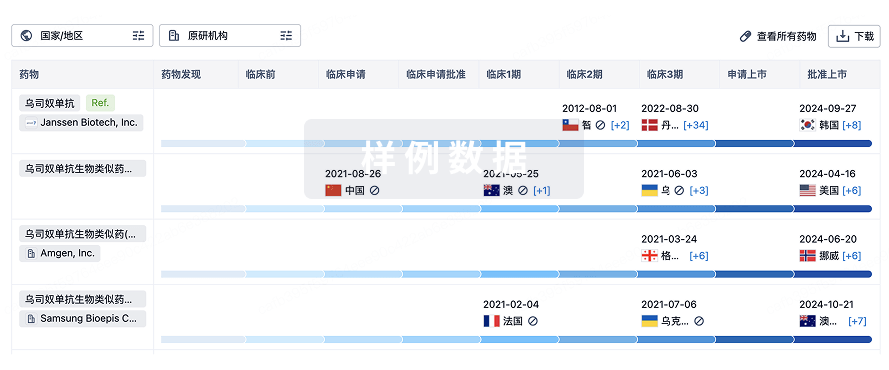
生物类似药
生物类似药在不同国家/地区的竞争态势。请注意临床1/2期并入临床2期,临床2/3期并入临床3期
登录
或
特殊审评
只需点击几下即可了解关键药物信息。
登录
或

提出任何生物医药研究问题
让每一步生物医药决策都精准制胜
基于十亿级生物数据与全球情报的精准 AI,赋能早期药物发现
立即开始免费试用!
智慧芽新药情报库是智慧芽专为生命科学人士构建的基于AI的创新药情报平台,助您全方位提升您的研发与决策效率。
立即接入生物医药数据包
智慧芽新药库数据也通过智慧芽开放平台,以MCP或API服务形式对外开放。立即使用我们的MCP服务定制您的LLM智能体。
生物序列数据库
生物药研发创新
免费使用
化学结构数据库
小分子化药研发创新
免费使用