预约演示
更新于:2026-06-28

Intas Pharmaceuticals Ltd.
更新于:2026-06-28
概览
标签
皮肤和肌肉骨骼疾病
内分泌与代谢疾病
肿瘤
生物类似药
单克隆抗体
小分子化药
疾病领域得分
一眼洞穿机构专注的疾病领域

技术平台
公司药物应用最多的技术
靶点
公司最常开发的靶点
关联
靶点 |
作用机制 |
在研机构 |
原研机构 |
在研适应症 |
非在研适应症 |
最高研发阶段 |
首次获批国家/地区 |
首次获批日期 |
靶点 |
作用机制 |
在研机构 |
原研机构 |
在研适应症 |
非在研适应症 |
最高研发阶段 |
首次获批国家/地区 |
首次获批日期 |
靶点 |
作用机制 |
在研机构 |
原研机构 |
在研适应症 |
非在研适应症 |
最高研发阶段 |
首次获批国家/地区 |
首次获批日期 |

CTIS2025-522307-14-00
A Study to Evaluate the Pharmacokinetics, Efficacy, Safety and Immunogenicity of Xdivane versus Opdivo® in Patients with Resected Melanoma
CTRI/2025/12/099591
A Randomized, Balalnced, Open-label, Two-treatment, Two-period,Two sequence, Single dose, Crossover, Comparative bioavailability study of INTP5 Pegfilgrastim of Intas Pharmaceuticals Limited, India when delivered automatically from the on body injector (OBI) delivery device (test product) versus INTP5 (ENNUMOTM) PFS, when delivered manually from a pre-filled syringe (reference product) in normal, healthy, adult, human subjects. - NIL
CTRI/2025/09/095098
An Open-Label, Balanced, Multicentric, Randomized, Two Treatment, Two-Period with Two Consecutive Profile in Single Period, Two Sequence, Crossover, Multiple Dose, Steady State Bioequivalence Study of Risperidone Long-Acting Injection 25 Mg/ Vial (Test Drug From Intas Pharmaceuticals Ltd., India,) against Risperdal CONSTA® (Risperidone) Long-Acting Injection 25 Mg/Vial (Janssen-Cilag GmbH, Germany) In Patients Needing Maintenance Treatment For Schizophrenia - NIL
100 项与 Intas Pharmaceuticals Ltd. 相关的临床结果
登录后查看更多信息
登录后查看更多信息
2026-05-01JOURNAL OF CHROMATOGRAPHY B-ANALYTICAL TECHNOLOGIES IN THE BIOMEDICAL AND LIFE SCIENCES
Modern LC-MS strategies for comprehensive metabolite identification of therapeutic oligonucleotides
Review
作者: Dahibhate, Nilesh ; Trivedi, Neerja ; Kumar, Devendra
Therapeutic oligonucleotides (ONs), including antisense-oligonucleotides, small interfering RNA, aptamers, and conjugated modalities, have emerged as an important class of drugs with increasing clinical impact. Unlike small molecules, ONs undergo metabolism primarily through nuclease-mediated cleavage, generating complex profiles of shortened metabolites that often differ by a single nucleotide and may retain pharmacological or toxicological relevance. Comprehensive metabolite identification is therefore essential for understanding ONs pharmacokinetics (PK), tissue exposure, and safety. Liquid chromatography coupled to mass spectrometry (LC-MS) has become the principal analytical platform for ONs metabolite identification. Recent advances in chromatographic separation, high-resolution mass spectrometry, fragmentation strategies, and data processing tools have substantially improved the depth, confidence, and throughput of metabolite characterization. This review provides an overview of ONs biotransformation pathways and critically examines modern LC-MS strategies used for metabolite separation, detection, and structural elucidation. Emphasis is placed on high-resolution MS acquisition approaches, charge-state management, complementary fragmentation techniques, and software-assisted metabolite annotation. Emerging trends and future directions in ONs metabolite analysis are also discussed, with a focus on supporting translational PK and regulatory decision making.
2026-04-01NAUNYN-SCHMIEDEBERGS ARCHIVES OF PHARMACOLOGY
Comparison of pharmacokinetics, pharmacodynamics, safety, and immunogenicity of a candidate biosimilar INTP23.1 with EU and US‑approved denosumab reference products in healthy adult men
Article
作者: Patel, Ronak ; Fenwick, Steve ; Parekh, Vidhi ; Kale, Prashant ; Shah, Naman ; Kolte, Shrikrishna
PURPOSE:
This Phase 1 study evaluated the pharmacokinetics (PK), pharmacodynamics (PD), immunogenicity, and safety of INTP23.1, a proposed denosumab biosimilar, compared with US- and EU-licensed reference denosumab (Xgeva®) in healthy male volunteers.
METHODS:
This randomized, double-blind, three-arm, 36 week, parallel-group trial (CTRI/2020/09/027619), assessed a single 35 mg subcutaneous dose of INTP23.1, Xgeva (US), or Xgeva (EU), administered in the upper arm. PK endpoints were statistically compared using geometric least-squares means (LSM) and 90% confidence intervals (CIs). PD markers were evaluated, immunogenicity and safety were assessed through validated assays, and adverse events (AEs) were monitored.
RESULTS:
A total of 234 healthy male volunteers were enrolled. Baseline demographics were similar across the three treatment sequence groups. PK equivalence was demonstrated, with all geometric LSM ratios and 90% CIs for maximum serum concentration, area under the concentration-time curve (AUC) from time zero to the last measurable concentration, and AUC from time zero to infinity falling within the predefined bioequivalence range of 80.00% to 125.00%. PD responses showed comparable suppression of C-terminal telopeptide (CTX) and procollagen type 1 N-terminal propeptide (P1NP) across treatment groups. Immunogenicity profiles were similar, with low anti-drug antibody incidence and no neutralizing antibodies detected. AEs were generally mild or moderate in intensity, and no unexpected safety signals were observed.
CONCLUSIONS:
INTP23.1 demonstrated comparable PK, PD, immunogenicity, and safety to US- and EU-licensed denosumab reference products in healthy male volunteers. These findings support further clinical development of INTP23.1 as a denosumab biosimilar for approved indications.
TRIAL REGISTRATION NUMBER:
CTRI/2020/09/027619; Registered 07/09/2020.
2026-02-26Cureus Journal of Medical Science
Efficacy and Safety of Vaginal Estradiol Hemihydrate as an Adjunct to Oral Estradiol Valerate in Hormone Replacement Therapy-Frozen Embryo Transfer (HRT-FET) Cycles: A Retrospective Study
Article
作者: Gangadharan, Aparna ; Sharma, Vivek ; Dave, Vishal ; Shah, Dharam ; Shah, Jatin
OBJECTIVE:
To evaluate the efficacy and safety of vaginal estradiol hemihydrate as an adjunct to oral estradiol valerate in improving endometrial thickness and pregnancy outcomes in the hormone replacement therapy-frozen embryo transfer (HRT-FET) cycle.
MATERIALS AND METHODS:
This retrospective observational study was conducted at Kamala Polyclinic and Nursing Home, Mumbai, India, and included women aged 25-42 years undergoing HRT-FET treatment cycles between May and July 2024. Only those patients were included in this study whose endometrial thickness was <8 mm after administering oral estradiol valerate 12 mg OD for 12 to 15 days and who achieved a clinically adequate endometrium after co-treatment with vaginal estradiol hemihydrate 2 mg twice daily for two to three days. The study endpoints were measured as an increase in endometrial thickness, clinical pregnancy rate, and safety.
RESULTS:
Mean (SD) endometrial thickness increased significantly from 7.47 (0.97) mm to 8.68 (1.34) mm after vaginal supplementation (p < 0.001). The clinical pregnancy rate was 50%. No adverse events were reported.
CONCLUSION:
In this study, administration of estradiol hemihydrate by vaginal route as an adjuvant helped to increase the endometrial thickness and was associated with higher clinical pregnancy in women with a thin endometrium following orally administered estradiol valerate alone.
2026-06-25
·同花顺
100 项与 Intas Pharmaceuticals Ltd. 相关的药物交易
登录后查看更多信息
100 项与 Intas Pharmaceuticals Ltd. 相关的转化医学
登录后查看更多信息
组织架构
使用我们的机构树数据加速您的研究。
登录
或
管线布局
2026年10月17日管线快照
管线布局中药物为当前组织机构及其子机构作为药物机构进行统计,早期临床1期并入临床1期,临床1/2期并入临床2期,临床2/3期并入临床3期
药物发现
1
6
临床前
申请上市
2
74
批准上市
其他
20
登录后查看更多信息
当前项目
登录后查看更多信息
药物交易
使用我们的药物交易数据加速您的研究。
登录
或
转化医学
使用我们的转化医学数据加速您的研究。
登录
或
营收
使用 Synapse 探索超过 36 万个组织的财务状况。
登录
或
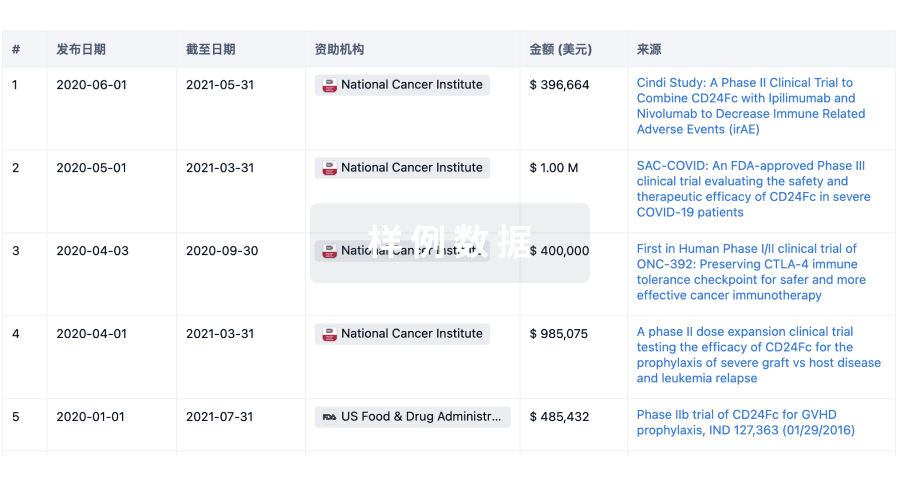
科研基金(NIH)
访问超过 200 万项资助和基金信息,以提升您的研究之旅。
登录
或
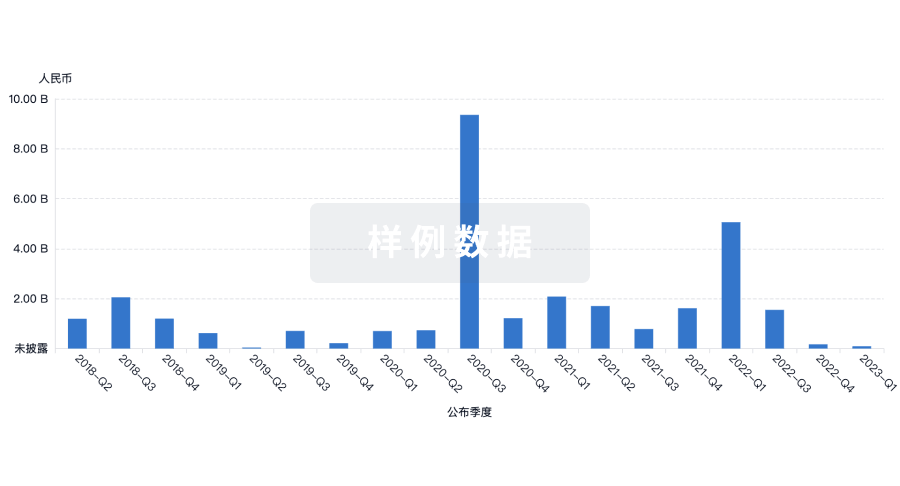
投资
深入了解从初创企业到成熟企业的最新公司投资动态。
登录
或
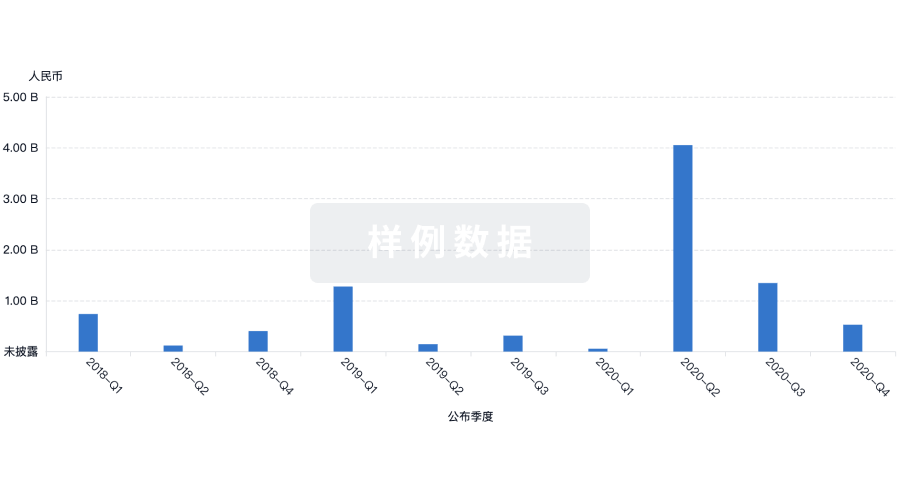
融资
发掘融资趋势以验证和推进您的投资机会。
登录
或
提出任何生物医药研究问题
让每一步生物医药决策都精准制胜
基于十亿级生物数据与全球情报的精准 AI,赋能早期药物发现
立即开始免费试用!
智慧芽新药情报库是智慧芽专为生命科学人士构建的基于AI的创新药情报平台,助您全方位提升您的研发与决策效率。
立即接入生物医药数据包
智慧芽新药库数据也通过智慧芽开放平台,以MCP或API服务形式对外开放。立即使用我们的MCP服务定制您的LLM智能体。
生物序列数据库
生物药研发创新
免费使用
化学结构数据库
小分子化药研发创新
免费使用