预约演示
更新于:2026-06-08

Jiangxi Qingfeng Pharmaceutical Co. Ltd.
更新于:2026-06-08
概览
标签
肿瘤
感染
呼吸系统疾病
小分子化药
中药
预防性疫苗
疾病领域得分
一眼洞穿机构专注的疾病领域

技术平台
公司药物应用最多的技术
靶点
公司最常开发的靶点
关联
靶点 |
作用机制 |
在研机构 |
原研机构 |
在研适应症 |
非在研适应症 |
最高研发阶段 |
首次获批国家/地区 |
首次获批日期 |
靶点 |
作用机制 |
在研机构 |
原研机构 |
在研适应症 |
非在研适应症 |
最高研发阶段 |
首次获批国家/地区 |
首次获批日期 |


靶点 |
作用机制 |
在研机构 |
原研机构 |
在研适应症 |
非在研适应症 |
最高研发阶段 |
首次获批国家/地区 |
首次获批日期 |

CTR20252793
在中国健康参与者单次口服玛舒拉沙韦干混悬剂(规格:20mg)及玛舒拉沙韦片(规格:20mg)的生物利用度研究
CTR20244595
在中国健康受试者空腹状态下单次口服GP681干混悬剂(规格:20mg)及GP681片(规格:20mg)的生物利用度研究
NCT06754865
A Muulticenter, Open, Non-interventional, Retrospective Cohort Study to Evaluate the Clinical Value and Safety of Xiyanping Injection in the Treatment of Acute Exacerbation of Chronic Obstructive Pulmonary Disease(COPD) Based on Real-world Clinical Data
100 项与 江西青峰药业有限公司 相关的临床结果
登录后查看更多信息
登录后查看更多信息
2025-12-01Pharmaceutical Science Advances
Physiologically based pharmacokinetic (PBPK) modeling of drug-drug interactions between suraxavir marboxil and CYP3A4 inhibitors: Quantitative prediction of pharmacokinetic effects on active metabolite GP1707D07
Article
作者: Tang, Bo-Hao ; Yang, Fan ; Lv, Lang ; Ye, Pan-Pan ; Zheng, Yi ; Yang, Lan ; Wang, Xiao-Lin ; Zhao, Wei ; Hao, Guo-Xiang ; Wang, Yan-Xin ; Wu, Yue-E ; Shen, Chao-Zhuang ; Yan, Shou-Sheng
Suraxavir marboxil (GP681) is a promising novel prodrug influenza polymerase acidic (PA) inhibitor whose active metabolite, suraxavir (GP1707D07), is primarily metabolized by cytochrome P450 3A4 (CYP3A4), raising concerns about drug-drug interactions (DDI) with CYP3A4 inhibitors. Traditional DDI assessment methods are limited for evaluating all potential combinations. This study aimed to develop a physiologically based pharmacokinetic (PBPK) model to predict the DDI risk between GP681 and CYP3A4 inhibitors of varying potency. The model was developed based on physicochemical and in vitro parameters, as well as clinical data, including a phase I single ascending dose study of GP681 tablets and a single-center phase I study evaluating the DDI between GP681 and strong CYP3A4 inhibitor itraconazole. The model was successfully verified against clinical data, with predicted-to-observed ratios for GP1707D07 exposure under itraconazole co-administration of AUC and Cmax of 1.042 and 1.357, respectively. Simulations using the validated model predicted a substantial increase in GP1707D07 exposure when co-administered with moderate inhibitors fluconazole (AUC ratio 2.820; Cmax ratio 1.509) and verapamil (AUC ratio 2.347; Cmax ratio 1.645), comparable to the effect of itraconazole. Weak inhibitors showed negligible effects. Consequently, clinical monitoring and potential dose adjustment of GP681 are recommended when co-administered with strong inhibitors and the moderate inhibitors. The study demonstrates the utility of PBPK modeling for efficient and predictive DDI assessment of complex prodrug systems, guiding the safe clinical use of GP681.
2024-09-01Acta Pharmaceutica Sinica B
Decoding the chromatin accessibility in Andrographis paniculata genome, a case study of genome-wide investigation of the cis-regulatory elements in medicinal plants
Article
作者: Yang, Hua ; Zhang, Ling ; Chen, Shilin ; Sun, Wei ; Wang, Jihua ; Huang, Mingkun ; Hu, Yufang ; Liu, Difa ; Feng, Chen ; Xie, Ning ; Jiang, Chunhong
In this study, we selected Andrographis paniculata (APA) as a model system to map ACRs genome-wide by the assay for transposase-accessible chromatin with sequencing (ATAC-seq) method.We aimed to uncover the genomic features of ACRs as well as their association with the expression of genes involved in secondary metabolite biosynthesis (e.g., andrographolide) within medicinal plants.These data suggested a crucial role of H3K4me3 and H3K27ac in modulating chromatin accessibility.Together, this study provides a genomic landscape of ACR features in APA, thereby advancing our further understanding of the functions of such important non-coding regulatory elements in medicinal plants.
2024-08-01Combinatorial chemistry & high throughput screening
Andrographolide Attenuates RSV-induced Inflammation by Suppressing
Apoptosis and Promoting Pyroptosis after Respiratory Syncytial Virus
Infection In Vitro
Article
作者: Jilei Lin ; Siyi Che ; Enmei Liu ; Xiaohong Xie ; Ying Liu ; Jun Xie
Background:::
Respiratory syncytial virus (RSV), which is the predominant viral pathogen
responsible for causing acute lower respiratory tract infections in children, currently lacks
specific therapeutic drugs. Despite andrographolide's demonstrated effectiveness against various
viral infections, its effects on RSV infection remain unclear.
Methods:::
In this study, RSV infection and andrographolide-intervened A549 cell lines were
used. The virus load of RSV and the levels of IL-6 and IL-8 in the cell supernatant were quantified.
The potential targets of andrographolide in the treatment of RSV-infected airway epithelial
cells were analyzed using the Gene Expression Omnibus (GEO) database and the PharmMapper
Database, and the changes in mRNA expression of these target genes were measured. To further
illustrate the effect of andrographolide on the death pattern of RSV-infected airway epithelial
cells, Annexin V-FITC/PI apoptosis assays and Western blotting were conducted.
Results:::
Andrographolide decreased the viral load and attenuated IL-6 and IL-8 levels in cell supernatant
post-RSV infection. A total of 25 potential targets of andrographolide in the treatment
of RSV-infected airway epithelial cells were discovered, and CASP1, CCL5, JAK2, and STAT1
were identified as significant players. Andrographolide noticeably suppressed the increased
mRNA expressions of these genes post-RSV infection as well as IL-1β. The flow cytometry
analysis demonstrated that andrographolide alleviated apoptosis in RSV-infected cells. Additionally,
RSV infection decreased the protein levels of caspase-1, cleaved caspase-1, cleaved IL-1β,
N-terminal of GSDMD, and Bcl-2. Conversely, andrographolide increased their levels.
Conclusion:::
These results suggest that andrographolide may reduce RSV-induced inflammation by
suppressing apoptosis and promoting pyroptosis in epithelial cells, leading to effective viral clearance.
100 项与 江西青峰药业有限公司 相关的药物交易
登录后查看更多信息
100 项与 江西青峰药业有限公司 相关的转化医学
登录后查看更多信息
组织架构
使用我们的机构树数据加速您的研究。
登录
或
管线布局
2026年10月12日管线快照
管线布局中药物为当前组织机构及其子机构作为药物机构进行统计,早期临床1期并入临床1期,临床1/2期并入临床2期,临床2/3期并入临床3期
临床1期
1
1
临床2期
临床3期
3
3
批准上市
其他
2
登录后查看更多信息
当前项目
登录后查看更多信息
药物交易
使用我们的药物交易数据加速您的研究。
登录
或
转化医学
使用我们的转化医学数据加速您的研究。
登录
或
营收
使用 Synapse 探索超过 36 万个组织的财务状况。
登录
或
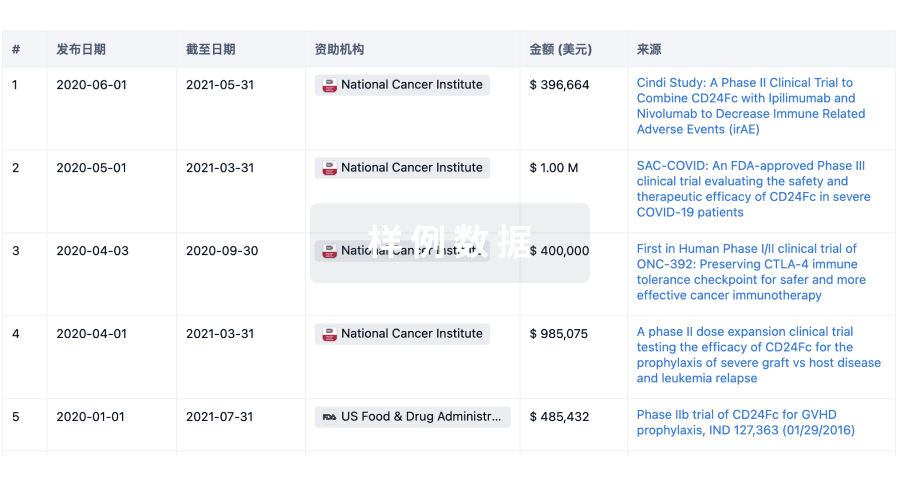
科研基金(NIH)
访问超过 200 万项资助和基金信息,以提升您的研究之旅。
登录
或
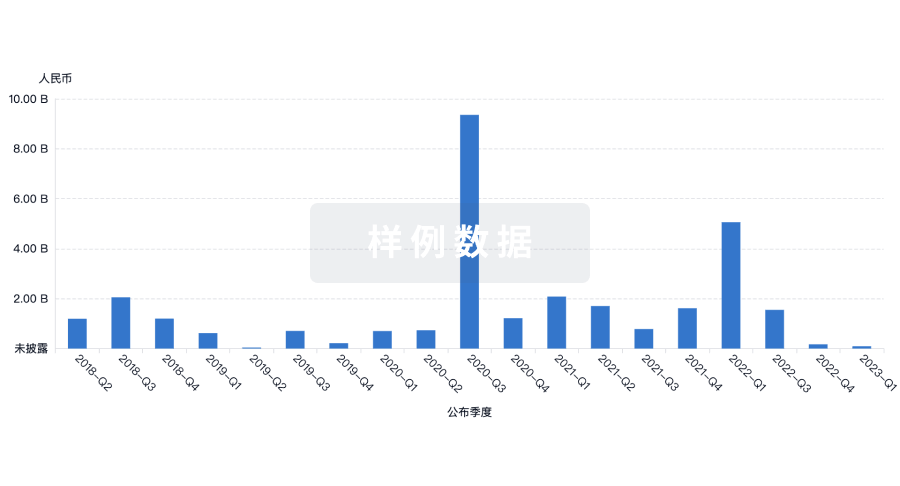
投资
深入了解从初创企业到成熟企业的最新公司投资动态。
登录
或
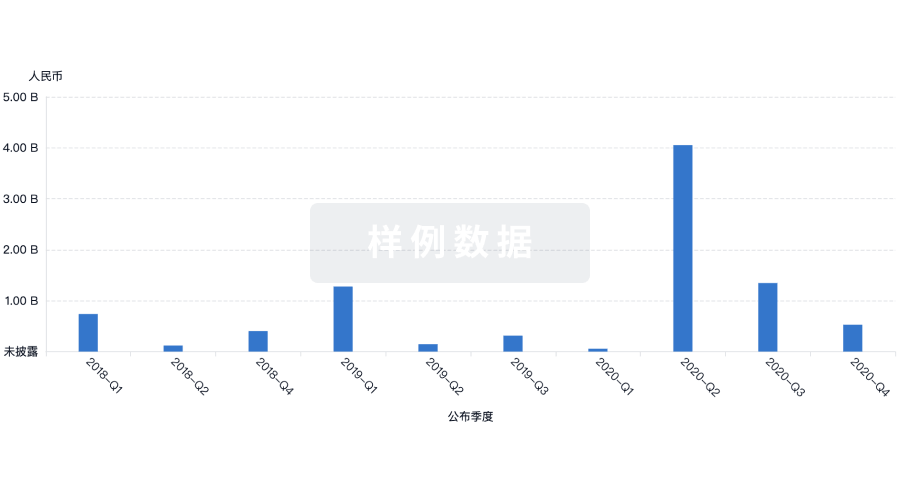
融资
发掘融资趋势以验证和推进您的投资机会。
登录
或
提出任何生物医药研究问题
让每一步生物医药决策都精准制胜
基于十亿级生物数据与全球情报的精准 AI,赋能早期药物发现
立即开始免费试用!
智慧芽新药情报库是智慧芽专为生命科学人士构建的基于AI的创新药情报平台,助您全方位提升您的研发与决策效率。
立即接入生物医药数据包
智慧芽新药库数据也通过智慧芽开放平台,以MCP或API服务形式对外开放。立即使用我们的MCP服务定制您的LLM智能体。
生物序列数据库
生物药研发创新
免费使用
化学结构数据库
小分子化药研发创新
免费使用