预约演示
更新于:2026-09-10

Eisai Co., Ltd.
更新于:2026-09-10
概览
标签
肿瘤
其他疾病
神经系统疾病
小分子化药
单克隆抗体
化学药
疾病领域得分
一眼洞穿机构专注的疾病领域

技术平台
公司药物应用最多的技术
靶点
公司最常开发的靶点
关联
靶点 |
作用机制 |
在研机构 |
原研机构 |
在研适应症 |
非在研适应症 |
最高研发阶段 |
首次获批国家/地区 |
首次获批日期 |

靶点 |
作用机制 |
在研机构 |
原研机构 |
在研适应症 |
非在研适应症 |
最高研发阶段 |
首次获批国家/地区 |
首次获批日期 |
靶点 |
作用机制 |
在研机构 |
原研机构 |
在研适应症 |
非在研适应症 |
最高研发阶段 |
首次获批国家/地区 |
首次获批日期 |


NCT07768592
A Proof-of-Mechanism, Open-Label, Parallel Group Study With an Open-Label Extension Phase to Assess the Safety, Tolerability, Pharmacokinetics, and Pharmacodynamics of E2511 in Participants With Early Alzheimer's Disease

NCT07781345
A Prospective Observational Registry Study to Evaluate the Use and Safety of LEQEMBI in Routine Clinical Practice
NCT07384429
Study for the Dual Orexin Receptor Antagonist Lemborexant in Improving Motor-Sleep Comorbidity in Parkinson's Disease

100 项与 Eisai Co., Ltd. 相关的临床结果
登录后查看更多信息
登录后查看更多信息
2026-07-01BREAST CANCER RESEARCH AND TREATMENT
Efficacy and safety of eribulin mesylate vs. docetaxel or paclitaxel, combined with trastuzumab and pertuzumab, as first-line treatment for HER2-positive locally advanced or metastatic breast cancer: updated subgroup analyses of JBCRG-M06/EMERALD
Article
作者: Tsugawa, Koichiro ; Shimomura, Akihiko ; Hasegawa, Hiroki ; Masuda, Norikazu ; Kawaguchi, Yoshihiro ; Yamashita, Toshinari ; Morita, Satoshi ; Iwasa, Tsutomu ; Sagara, Yasuaki ; Osaka, Shun ; Saji, Shigehira ; Yamaguchi, Takuhiro ; Sasada, Tatsunari ; Kitada, Masahiro ; Shimoda, Masafumi ; Iwatani, Tsuguo ; Koizumi, Kei ; Tada, Hiroshi ; Kojima, Yasuyuki ; Kuwayama, Takashi
PURPOSE:
We performed updated subgroup analyses of the EMERALD study to investigate efficacy, safety, and quality of life (QoL) in patients treated with eribulin (E) vs. either docetaxel (DTX) or paclitaxel (PTX).
METHODS:
Patients with HER2+ locally advanced/metastatic breast cancer (LABC/MBC) were randomized to receive E or taxane (T) (physician's choice of DTX or PTX; declared in advance at registration) in 21-day cycles, each combined with trastuzumab + pertuzumab. Survival outcomes, treatment patterns, antitumor efficacy, safety, and QoL were examined.
RESULTS:
The intention-to-treat (and safety) populations comprised 224 (224) patients who received E, 186 (184) who received DTX, and 36 (34) who received PTX. Baseline characteristics were balanced. Progression-free survival (E vs. DTX: 14.0 vs. 13.1 months; hazard ratio [HR], 0.94 [95% CI, 0.74-1.21]; E vs. PTX: 14.1 vs. 10.8 months; HR, 1.00 [95% CI, 0.58-1.73]) and overall survival (E vs. DTX: not reached [NR] vs. NR; E vs. PTX: 75.5 months vs. NR) were similar among the subgroups. Although the incidences of adverse events (AEs) were generally similar, peripheral sensory neuropathy was more frequent with PTX and less frequent with DTX, compared with E. Neutropenia tended to be more frequent with E. Median time to QoL deterioration was longer with E vs. DTX (7.8 vs. 4.7 months) and E vs. PTX (6.1 vs. 3.9 months).
CONCLUSIONS:
This trial revealed comparable efficacy of E vs. either DTX or PTX, when combined with dual HER2 blockade as first-line treatment for HER2+ LABC/MBC. AEs were generally similar between the E and T subgroups. QoL was maintained for longer in the E subgroups vs. T subgroups.
TRIAL REGISTRATION:
ClinicalTrials.gov (NCT03264547; registered: 28 June 2017); University Hospital Medical Information Network (UMIN000027938; registered: 26 June 2017).
2026-07-01INTERNATIONAL JOURNAL OF GYNECOLOGICAL CANCER
Lenvatinib plus pembrolizumab in participants with advanced or recurrent endometrial cancer: Study 309/KEYNOTE-775 and ENGOT-en9/LEAP-001 post-(neo)adjuvant therapy outcomes
Article
作者: Miller, David S ; Amit, Amnon ; Nogueira-Rodrigues, Angélica ; Yunokawa, Mayu ; Scollo, Paolo ; Romero, Ignacio ; MacKay, Helen ; Danska-Bidzinska, Anna ; Wang, Peng-Hui ; Moore, Richard G ; Santin, Alessandro D ; Kim, Yong Man ; Vardar, Mehmet Ali ; Slomovitz, Brian M ; McKenzie, Jodi ; Tarnawski, Rafal ; Ghamande, Sharad ; Hasegawa, Kosei ; Oaknin, Ana ; Orlowski, Robert ; Makker, Vicky ; Pignata, Sandro ; Bidziński, Mariusz ; Marth, Christian ; Yu, Zhou ; Okpara, Chinyere E ; Baron-Hay, Sally ; Kaen, Diego Lucas ; Meng, Robin ; Lorusso, Domenica
OBJECTIVE:
We report outcomes for the sub-group of participants who only received neoadjuvant, adjuvant, or neoadjuvant+adjuvant platinum-based chemotherapy before enrollment in the phase 3 Study 309/KEYNOTE-775 (NCT03517449) and ENGOT-en9/LEAP-001 (NCT03884101).
METHODS:
Study 309/KEYNOTE-775 enrolled participants with advanced/recurrent/metastatic endometrial cancer with disease progression after 1 previous line of platinum-based chemotherapy (2 allowed if initially given as [neo]adjuvant therapy). ENGOT-en9/LEAP-001 enrolled participants with stage III-IV or recurrent, radiographically apparent endometrial cancer and no previous chemotherapy or disease progression ≥6 months after (neo)adjuvant platinum-based chemotherapy. In both trials, participants were randomized 1:1 to lenvatinib 20 mg once daily+pembrolizumab 200 mg every 3 weeks or chemotherapy (doxorubicin or paclitaxel in Study 309/KEYNOTE-775, carboplatin+paclitaxel in ENGOT-en9/LEAP-001). Overall survival and progression-free survival (Response Evaluation Criteria in Solid Tumors version 1.1 by blinded independent central review) were primary endpoints.
RESULTS:
In Study 309/KEYNOTE-775 (n = 300), median (95% confidence interval) overall survival was 17.4 (14.0 to 22.8) months with lenvatinib+pembrolizumab and 13.3 (10.9 to 15.5) months with chemotherapy (hazard ratio [95% confidence interval], 0.67 [0.52 to 0.87]). Median (95% confidence interval) progression-free survival was 7.2 (5.6 to 8.0) and 3.9 (3.6 to 5.4) months (hazard ratio [95% confidence interval], 0.52 [0.40 to 0.68]). Objective response rates were 34.3% versus 16.6%. In ENGOT-en9/LEAP-001 (n = 121), median (95% confidence interval) overall survival was 35.4 (26.6 to not reached) months with lenvatinib+pembrolizumab and 22.1 (16.4 to 34.8) months with chemotherapy (hazard ratio [95% confidence interval], 0.66 [0.42 to 1.03]). Median (95% confidence interval) progression-free survival was 15.0 (8.3 to 21.0) and 8.3 (6.2 to 10.2) months (hazard ratio [95% confidence interval], 0.52 [0.33 to 0.81]). Objective response rates were 63.5% versus 43.1%. In both trials, the most common treatment-related adverse events with lenvatinib+pembrolizumab were hypertension (62.4%/60.3%) and hypothyroidism (58.2%/60.3%).
CONCLUSIONS:
In this sub-group analysis of participants who only received neoadjuvant, adjuvant, or neoadjuvant+adjuvant platinum-based chemotherapy before enrollment, lenvatinib+pembrolizumab demonstrated better anti-tumor activity and favorable outcomes versus chemotherapy with manageable safety. Lenvatinib+pembrolizumab is approved for patients with advanced endometrial cancer and could be considered an effective treatment option in this sub-group.
2026-06-15SLEEP
Prescription patterns of hypnotics for children and adolescents in Japan: a descriptive epidemiologic study using a claims database
Article
作者: Mizuno, Kayoko ; Koebis, Michinori ; Moline, Margaret ; Kubota, Naoki ; Kawakami, Koji ; Suga, Motomu ; Ohashi, Hiroshi ; Mishima, Kazuo ; Tanaka-Mizuno, Sachiko ; Fujimoto, Kenichi ; Ishii, Mika ; Fukasawa, Toshiki ; Sakata, Yukinori
Abstract:
Study Objectives:
To investigate the prescription patterns for hypnotics among patients <18 years in Japan.
Methods:
We conducted a descriptive epidemiologic study using a claims database in Japan. We included patients aged 0–17 years with first-time prescriptions for hypnotics between June 2021 and June 2023. Hypnotics were classified as melatonin, melatonin receptor agonists (MRAs), dual orexin receptor antagonists (DORAs), Z-drugs, and benzodiazepines. We described the types of hypnotics, dosages, prescription duration, comorbidities, and concomitant medications for overall and by age groups.
Results:
The study included 21 145 patients; 1983 aged 0–6 years, 3901 aged 7–11 years, 6664 aged 12–14 years, and 8597 aged 15–17 years. The initial prescribed hypnotics were melatonin (33.9%), MRAs (30.9%), DORAs (18.8%), Z-drugs (10.1%), and benzodiazepines (6.3%). Melatonin was more likely to be prescribed to patients age 0–11 years, MRAs to those aged 0–17 years, and DORAs to patients ages 15–17 years. The most common mental health-related comorbidities were autism spectrum disorder (32.5%), depression (23.4%), attention-deficit hyperactivity disorder (19.8%), and anxiety disorder (18.2%).
Conclusions:
Melatonin was most frequently prescribed in children for a longer duration than other hypnotics, while MRAs were prescribed across all age groups and DORAs mainly to adolescents. These age-specific patterns suggest that the drug selection was conducted according to patient’s age, since pediatric insomnia might be correlated with psychiatric disorders related to developmental stage. Future research should investigate the long-term effects of hypnotic prescriptions with consideration of comorbid conditions.
100 项与 Eisai Co., Ltd. 相关的药物交易
登录后查看更多信息
100 项与 Eisai Co., Ltd. 相关的转化医学
登录后查看更多信息
组织架构
使用我们的机构树数据加速您的研究。
登录
或
管线布局
2026年09月13日管线快照
管线布局中药物为当前组织机构及其子机构作为药物机构进行统计,早期临床1期并入临床1期,临床1/2期并入临床2期,临床2/3期并入临床3期
药物发现
5
45
临床前
临床1期
10
10
临床2期
临床3期
4
1
申请上市
批准上市
83
190
其他
登录后查看更多信息
当前项目
登录后查看更多信息
药物交易
使用我们的药物交易数据加速您的研究。
登录
或
转化医学
使用我们的转化医学数据加速您的研究。
登录
或
营收
使用 Synapse 探索超过 36 万个组织的财务状况。
登录
或
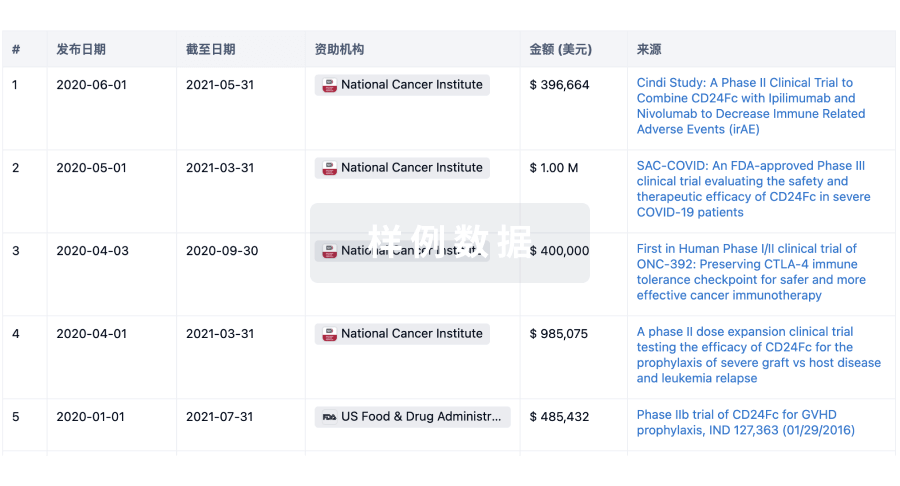
科研基金(NIH)
访问超过 200 万项资助和基金信息,以提升您的研究之旅。
登录
或
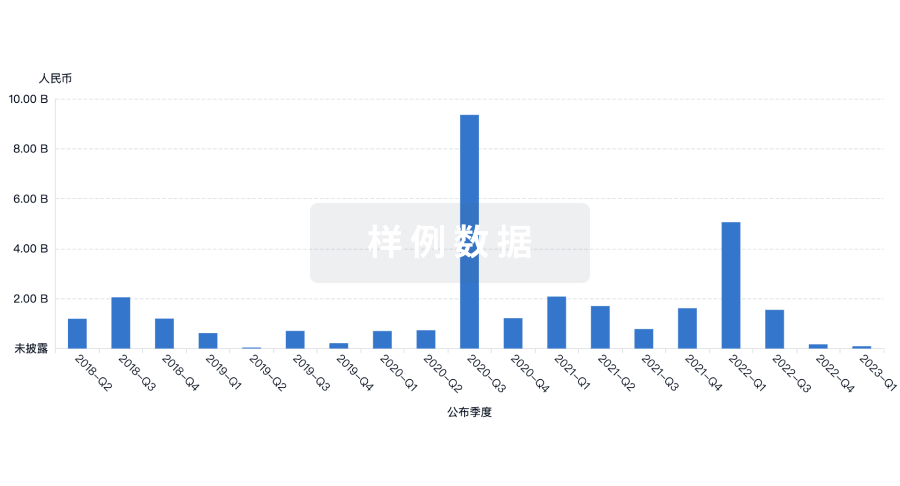
投资
深入了解从初创企业到成熟企业的最新公司投资动态。
登录
或
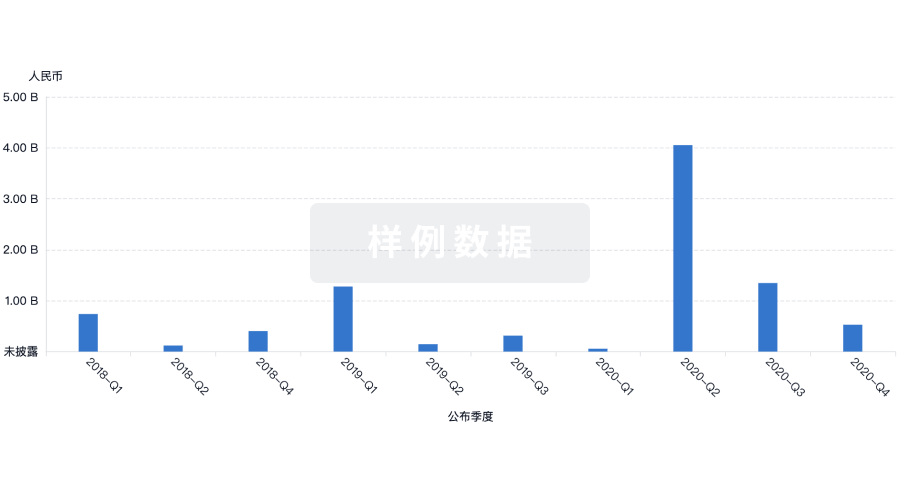
融资
发掘融资趋势以验证和推进您的投资机会。
登录
或
提出任何生物医药研究问题
让每一步生物医药决策都精准制胜
基于十亿级生物数据与全球情报的精准 AI,赋能早期药物发现
立即开始免费试用!
智慧芽新药情报库是智慧芽专为生命科学人士构建的基于AI的创新药情报平台,助您全方位提升您的研发与决策效率。
立即接入生物医药数据包
智慧芽新药库数据也通过智慧芽开放平台,以MCP或API服务形式对外开放。立即使用我们的MCP服务定制您的LLM智能体。
生物序列数据库
生物药研发创新
免费使用
化学结构数据库
小分子化药研发创新
免费使用