预约演示
更新于:2026-06-14

Shanghai Fosun Pharmaceutical (Group) Co., Ltd.
更新于:2026-06-14
概览
标签
肿瘤
感染
其他疾病
小分子化药
预防性疫苗
多价疫苗
疾病领域得分
一眼洞穿机构专注的疾病领域

技术平台
公司药物应用最多的技术
靶点
公司最常开发的靶点
关联
靶点 |
作用机制 |
在研机构 |
原研机构 |
在研适应症 |
非在研适应症 |
最高研发阶段 |
首次获批国家/地区 |
首次获批日期 |

靶点 |
作用机制 |
在研机构 |
原研机构 |
在研适应症 |
非在研适应症 |
最高研发阶段 |
首次获批国家/地区 |
首次获批日期 |

靶点 |
作用机制 |
在研机构 |
原研机构 |
在研适应症 |
非在研适应症 |
最高研发阶段 |
首次获批国家/地区 |
首次获批日期 |
NCT07601620
A Multicenter, Randomized, Double-Blind, Parallel-Controlled Phase I Clinical Study to Evaluate the Pharmacokinetics, Efficacy, and Safety of Phesgo® Biosimilar HLX319 vs. EU-Phesgo® in the Neoadjuvant Therapy of HER2-Positive Early or Locally Advanced Breast Cancer

NCT07518043
A Multicenter, Randomized, Double-Blind, Parallel-Controlled Phase I Clinical Study to Evaluate the Pharmacokinetic Profile, Efficacy, Safety and Immunogenicity of HLX18 vs. OPDIVO® (US-sourced OPDIVO®) in Multiple Resected Solid Tumors
NCT07543471
A Multicentre, Randomized, Double-Blind, Parallel-Controlled Phase I Clinical Study to Evaluate the Pharmacokinetic, Efficacy, Safety, and Immunogenicity Profiles of HLX05-N vs. ERBITUX® (US/EU-sourced) in Participants With Metastatic Colorectal Cancer
100 项与 上海复星医药(集团)股份有限公司 相关的临床结果
登录后查看更多信息
登录后查看更多信息
2026-08-01TALANTA
Integrated complexation-precipitation and dispersive micro-solid phase extraction platform for non-targeted screening of non-volatile compounds in therapeutic monoclonal antibodies
Article
作者: Hou, Wei ; Cheng, Ying ; Xie, Yangguo ; Zhang, Lei
The non-targeted screening of non-volatile organic compounds (NVOCs) in Mab A (monoclonal antibody A) is challenged by matrix interference and stringent sensitivity requirements. To address this, an integrated platform combining complexation-precipitation and dispersive micro-solid phase extraction (D-μSPE) was developed. This method utilizes a zinc nitrate/ammonium thiocyanate agent to remove interfering polysorbates, followed by analyte enrichment with an NH2-MIL-101(Fe) sorbent. The optimized approach demonstrated excellent performance for a diverse panel of NVOCs, achieving low detection limits (0.32-53.98 μg/L), good precision (RSD <3.9%), and high accuracy (recoveries of 84.2-112.8%) in Mab A. This sensitive, efficient, and environmentally friendly technique provides a reliable solution for non-targeted NVOC analysis of therapeutic monoclonal antibodies.
2026-06-01BIOORGANIC CHEMISTRY
Design, synthesis, and in vitro/in vivo biological evaluation of Artesunate-Ebselen derivatives: GPX4-targeted ferroptosis induction and synergistic antitumor immune activation in colorectal cancer
Article
作者: Ma, Xianli ; Jian, Ziqing ; Zhang, Ye ; Cao, Jianlong ; Chen, Yanyan ; Li, Changgui ; Xu, Yanli ; He, Lv ; Ren, Meilin
Glutathione peroxidase 4 (GPX4), a key regulator of ferroptosis, has emerged as a compelling therapeutic target for colorectal cancer (CRC). Capitalizing on the therapeutic promise of this target, we rationally designed and synthesized 24 novel Artesunate-Ebselen (ART-EBS) derivatives through structure-activity relationship (SAR) studies. Among these analogs, compound 5k exhibited the most potent antiproliferative activity against HCT116 cells with an IC₅₀ value of 0.81 ± 0.29 μM, thereby significantly outperforming its parent compounds ART (IC₅₀ > 50 μM) and EBS (IC₅₀ > 50 μM). Mechanistic investigations revealed that compound 5k triggered lipid peroxidation through the accumulation of reactive oxygen species (ROS). This was supported by multiple lines of evidence, including markedly increased ROS production, disrupted mitochondrial membrane potential, and downregulated GPX4 expression-ultimately culminating in ferroptosis of HCT116 cells. A cellular thermal shift assay (CETSA) further confirmed that compound 5k could directly bind to GPX4 protein and enhance its stability under increasing temperature, providing robust in situ evidence for the specific interaction between compound 5k and GPX4. In the CT26 xenograft model, compound 5k exerted robust tumor growth-inhibitory effects, achieving a tumor inhibition rate (TIR) of 54.9%-substantially higher than the 28.9% observed in the ART monotherapy group-without inducing significant body weight loss in mice. In contrast, all mice in the ART + compound 3k (the ebselen-based parent scaffold of compound 5k) combination group died within 24 h as a result of severe systemic toxicity. Flow cytometry analysis of immune cells in tumor-bearing mice showed that compound 5k significantly increased the proportion of CD4+ T cells in the spleen (6.2% vs. 3.5% in the control group) and promoted the infiltration of CD8+ cytotoxic T cells into tumor tissues (7.2% vs. 0.9% in the control group), indicating activation of the antitumor immune response. These findings collectively indicate that compound 5k exerts synergistic anti-CRC efficacy by triggering ferroptosis and activating antitumor immunity. Thus, compound 5k holds considerable promise as a lead ferroptosis inducer for the development of novel CRC therapeutic strategies.
2026-02-13Aging-US
Toward actionable interventions in human aging (12th ARDD meeting, 2025)
Article
The 12th Aging Research and Drug Discovery (ARDD) meeting convened at the University of Copenhagen, presenting a comprehensive overview of recent advancements in the biology of aging. A central theme across sessions was the field's gradual shift from descriptive, correlational studies to mechanistic understandings enabling the engineering of personalized therapeutic interventions aimed at extending human healthspan. Key discussions highlighted the convergence of multiple disciplines. Presentations detailed how fundamental biological insights are being integrated with artificial intelligence and machine learning platforms for accelerated target identification and drug development. Furthermore, the development and application of novel preclinical research models were presented as critical for improving the translational pipeline to human clinical trials. Scientific discourse has advanced from cataloging the established hallmarks of aging to identifying and modulating the specific molecular mechanisms that regulate them. This focus is predicated on the hypothesis that aging is not solely a result of stochastic damage accumulation but may be a tractable, modifiable, and potentially reversible biological process amenable to intervention. This report summarizes the principal research directions and conceptual frameworks presented at the conference.
100 项与 上海复星医药(集团)股份有限公司 相关的药物交易
登录后查看更多信息
100 项与 上海复星医药(集团)股份有限公司 相关的转化医学
登录后查看更多信息
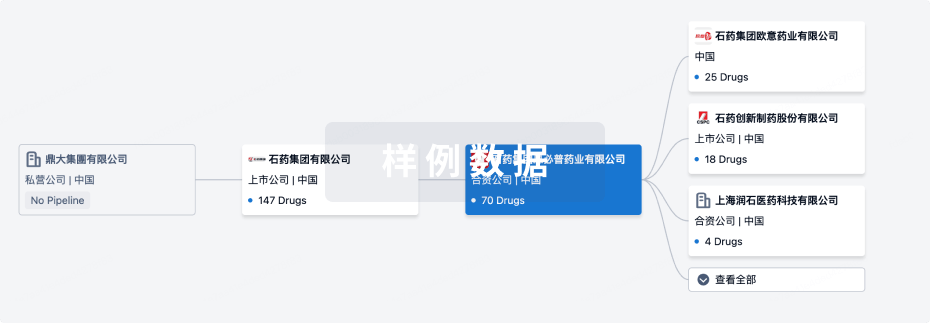
组织架构
使用我们的机构树数据加速您的研究。
登录
或
管线布局
2026年10月16日管线快照
管线布局中药物为当前组织机构及其子机构作为药物机构进行统计,早期临床1期并入临床1期,临床1/2期并入临床2期,临床2/3期并入临床3期
药物发现
31
98
临床前
临床申请
3
12
临床申请批准
临床1期
35
28
临床2期
临床3期
18
7
申请上市
批准上市
46
57
其他
登录后查看更多信息
当前项目
登录后查看更多信息
药物交易
使用我们的药物交易数据加速您的研究。
登录
或
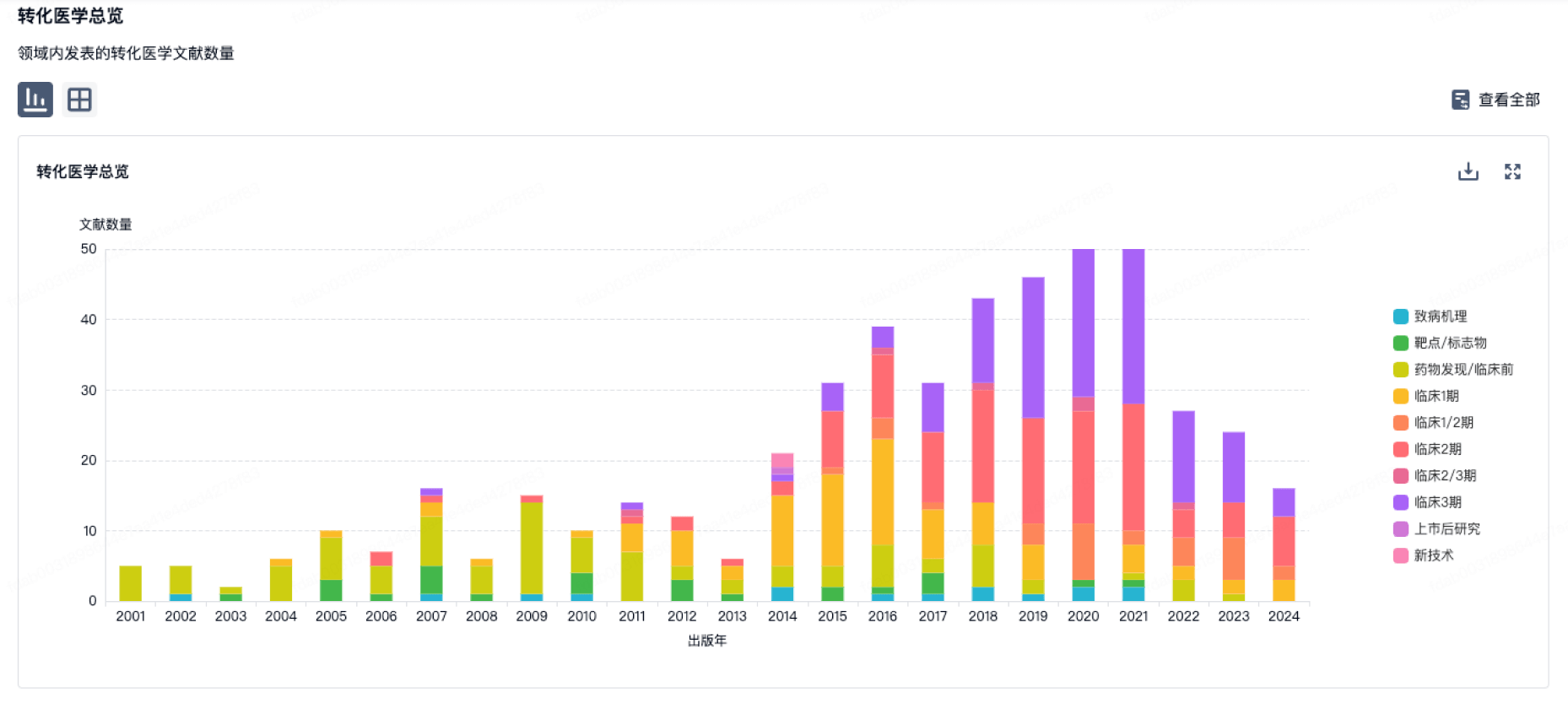
转化医学
使用我们的转化医学数据加速您的研究。
登录
或
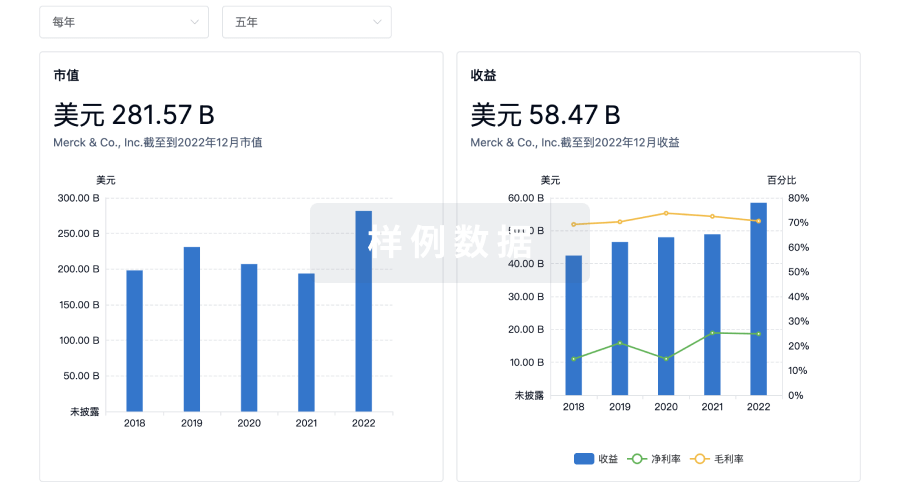
营收
使用 Synapse 探索超过 36 万个组织的财务状况。
登录
或
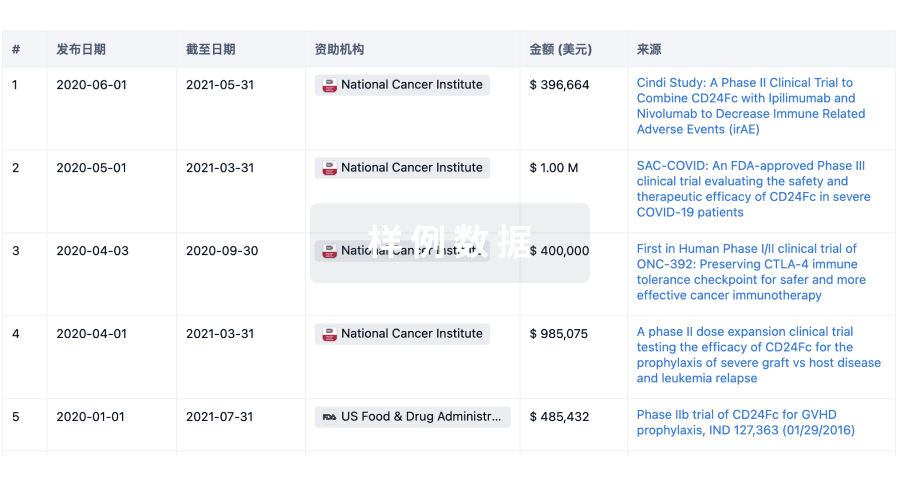
科研基金(NIH)
访问超过 200 万项资助和基金信息,以提升您的研究之旅。
登录
或
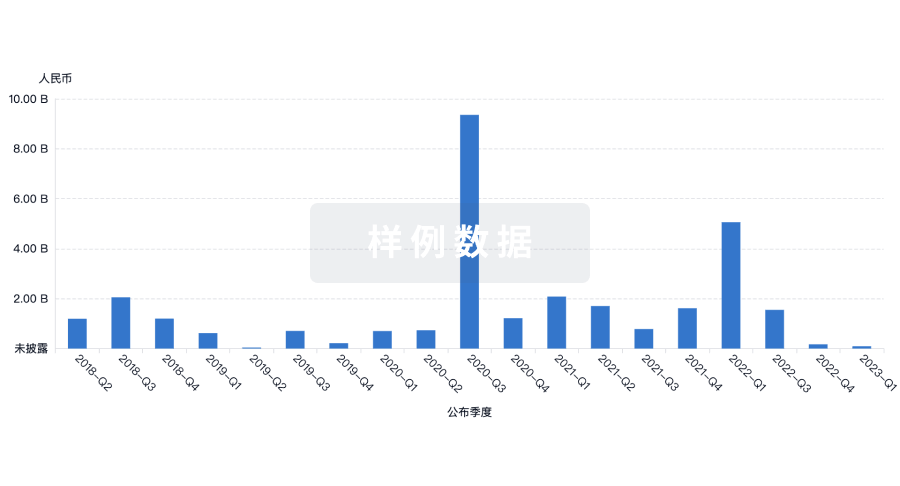
投资
深入了解从初创企业到成熟企业的最新公司投资动态。
登录
或
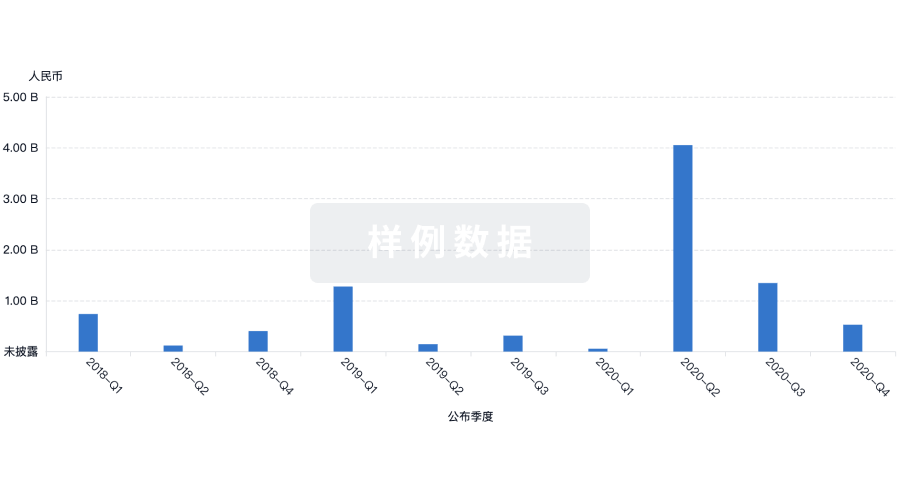
融资
发掘融资趋势以验证和推进您的投资机会。
登录
或
提出任何生物医药研究问题
让每一步生物医药决策都精准制胜
基于十亿级生物数据与全球情报的精准 AI,赋能早期药物发现
立即开始免费试用!
智慧芽新药情报库是智慧芽专为生命科学人士构建的基于AI的创新药情报平台,助您全方位提升您的研发与决策效率。
立即接入生物医药数据包
智慧芽新药库数据也通过智慧芽开放平台,以MCP或API服务形式对外开放。立即使用我们的MCP服务定制您的LLM智能体。
生物序列数据库
生物药研发创新
免费使用
化学结构数据库
小分子化药研发创新
免费使用