预约演示
更新于:2026-09-17

Shandong Luye Pharmaceutical Co., Ltd.
更新于:2026-09-17
概览
标签
神经系统疾病
其他疾病
肿瘤
小分子化药
合成多肽
中药
疾病领域得分
一眼洞穿机构专注的疾病领域

技术平台
公司药物应用最多的技术
靶点
公司最常开发的靶点
关联
靶点 |
作用机制 |
在研机构 |
原研机构 |
在研适应症 |
非在研适应症 |
最高研发阶段 |
首次获批国家/地区 |
首次获批日期 |

靶点 |
作用机制 |
在研机构 |
原研机构 |
在研适应症 |
非在研适应症 |
最高研发阶段 |
首次获批国家/地区 |
首次获批日期 |
靶点 |
作用机制 |
在研机构 |
原研机构 |
在研适应症 |
非在研适应症 |
最高研发阶段 |
首次获批国家/地区 |
首次获批日期 |


NCT07416344
A Coronary Computed Tomography Angiography-guided Intensive Intervention for Population at High Risk for Cardiovascular Disease in Rural China: a Cluster Randomized Controlled Trial

CTR20261007
在健康绝经后女性中比较注射用戈舍瑞林微球(LY01005)两种制剂单次给药的药代动力学及安全性的随机、开放、两序列、两周期、双交叉的生物等效性试验
CTR20254972
评价LPM526000133富马酸盐胶囊治疗阿尔茨海默病精神病性障碍(ADP)相关幻觉和妄想的初步疗效和安全性的随机、双盲、平行、安慰剂对照、IIa期临床研究
100 项与 山东绿叶制药有限公司 相关的临床结果
登录后查看更多信息
登录后查看更多信息
2026-08-01NEUROPHARMACOLOGY
Targeting ME1 rescues redox-metabolic coordination in ALS: A core effector of NRF2-directed therapy
Article
作者: Yang, Yifan ; Tian, Jingwei ; Du, Guangying ; Ji, Shengmin ; Ma, Hao ; Yang, Yurong ; Yu, Xin ; Zhu, Xiaoyin ; Zou, Fangxia ; Zhang, Xiaofan
Amyotrophic lateral sclerosis (ALS) is a fatal neurodegenerative disease characterized by progressive motor neuron loss, muscle weakness, and respiratory failure, with dysregulated energy metabolism and oxidative stress representing core pathological features. Epidemiological studies indicate geographical variations in incidence, and recent multi-omics evidence identifies a hypermetabolic state and mitochondrial dysfunction as key drivers of disease progression. The transcription factor nuclear factor erythroid 2-related factor 2 (NRF2), which regulates antioxidant response and metabolism, represents a promising therapeutic target; however, the exploration of specific activators remains insufficient. This study evaluated the efficacy and mechanism of a novel KEAP1-NRF2 activator, MKL01351, in SOD1 G93A transgenic mice and NSC-34 motor neuron-like ALS models. Behavioral analyses demonstrated that MKL01351 significantly delayed disease onset, improved motor coordination in the rotarod and hanging tests, and extended survival. The compound alleviated oxidative stress by reducing malondialdehyde (MDA) levels and restoring the reduced glutathione/oxidized glutathione (GSH/GSSG) ratio, while also ameliorating the energy deficit by modulating glycolytic and mitochondrial functions, as confirmed by Seahorse analysis. Mechanistic investigations revealed that MKL01351 activated the NRF2 pathway, upregulating downstream targets such as NQO1 and HO-1, and specifically enhanced the expression of malic enzyme 1 (ME1). Loss-of-function experiments confirmed that ME1 knockdown abolished the protective effects, indicating that the NRF2-ME1 axis is a central hub for the synergistic regulation of metabolic and oxidative homeostasis. In conclusion, MKL01351 concurrently ameliorates oxidative stress and metabolic dysregulation via the NRF2-ME1 signaling pathway, offering a novel neuroprotective strategy for ALS treatment.
2026-01-01SPECTROCHIMICA ACTA PART A-MOLECULAR AND BIOMOLECULAR SPECTROSCOPY
A near-infrared AIE probe targeting COX-2 for imaging of Cancer cells
Article
作者: Liu, Jianxi ; Xue, Ying ; Liu, Wanhui ; Shen, Li ; Zhu, Yanping ; Zhang, Yonglin ; Wang, Aiping ; Chen, Shulin ; Xu, Lixiao ; Hu, Jiale
High expression of cyclooxygenase-2 (COX-2) in the inflammatory tumor microenvironment is a critical target for early cancer diagnosis. We designed and synthesized a series of near-infrared (NIR) fluorescent probes based on the aggregation-induced emission (AIE) mechanism for targeted COX-2 imaging. Leveraging a D-π-A quinoline-malononitrile core, we developed probes YL-180 (non-targeted control), YL-181 (celecoxib conjugate), and YL-186 (indomethacin conjugate). Notably, this work represents the first report combining this specific AIE core with established COX-2 targeting ligands, celecoxib and indomethacin, for this application. These probes exhibit characteristic AIE properties, with YL-181 showing fluorescence enhancement up to approximately 9.7-fold from pure THF in aggregated state, effectively overcoming the aggregation-caused quenching (ACQ) issue. They also possess favorable optical features including NIR emission (>650 nm) and large Stokes shifts (>200 nm). Their aggregation behavior and nanoparticle formation were characterized by DLS and TEM. In vitro cellular imaging revealed that YL-181 achieved superior tumor cell selectivity, demonstrating approximately 22-fold higher fluorescence intensity in MCF-7 cancer cells over normal HUVEC cells (around 4-fold for YL-186 over normal HUVEC cells). A competitive assay confirmed YL-181's specific COX-2 binding. Furthermore, YL-181 sensitively reflected intracellular COX-2 levels, with fluorescence decreasing by approximately 97 % from untreated upon COX-2 inhibition and increasing by around 135 % from untreated upon induction. Molecular docking and dynamics simulations provided insights into the specific binding mode and dynamic stability of YL-181 with COX-2 from an atomic perspective. In vivo imaging validated YL-181's excellent tumor targeting ability and high contrast performance in mouse models, showing a tumor-to-background ratio (TBR) of around 1.83 from normal tissue background, consistent with ex vivo organ analysis. Our highly sensitive and selective COX-2 targeted AIE probe, YL-181, holds significant potential for precise early tumor imaging.
2026-01-01EUROPEAN JOURNAL OF MEDICINAL CHEMISTRY
Structure-guided rational design of dual-target CGRP antagonist/5HT1F agonist therapeutics for migraine
Article
作者: Li, Chunmei ; Wang, Wenyan ; Zou, Fangxia ; Tian, Jingwei ; Wang, Hongbo ; Zhu, Xiaoyin ; Mao, Yutong ; Zhang, Wenjing
The strategic design of dual-target ligands concurrently antagonizing calcitonin gene-related peptide (CGRP) receptors and activating serotonin 5-HT1F receptors may synergistically suppress CGRP signaling pathways. This approach enhances anti-migraine efficacy through peripheral restriction while circumventing central adverse effects (e.g., somnolence) mediated by 5-HT1F activation in the CNS. Here, we present a structure-based strategy to identify dual-target ligands for G-protein-coupled receptors. By integrating computational modeling and pharmacological screening, we designed compounds that simultaneously inhibit CGRP receptors and activate 5-HT1F receptors, demonstrating potent anti-migraine potential. Among these, compound 17a (PCC0105005) was found to be working at nanomolar concentrations at simultaneously influencing CGRP and 5-HT1f receptors. Pharmacokinetic profiling indicated rapid absorption, sustained plasma exposure, and limited brain penetration-mitigating CNS side effects while maintaining peripheral efficacy. In vivo, PCC0105005 significantly alleviated somatic and craniofacial allodynia symptoms by previously-validated Migraine Assessment Models Mechanistically, it suppressed CGRP synthesis and attenuated ERK/CREB phosphorylation, thereby linking migraine symptom with c-Fos activation-a key mediator of nociceptive sensitization. Collectively, these findings establish a preclinical foundation for elucidating dual-target CGRP antagonists/5-HT1F agonists with synergistic therapeutic strategies against migraine.
100 项与 山东绿叶制药有限公司 相关的药物交易
登录后查看更多信息
100 项与 山东绿叶制药有限公司 相关的转化医学
登录后查看更多信息
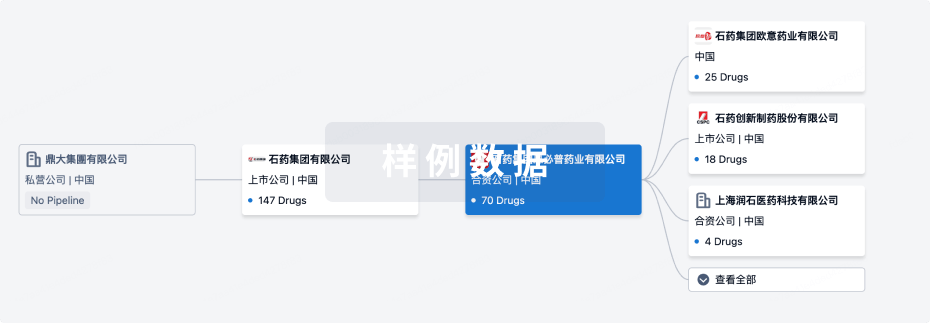
组织架构
使用我们的机构树数据加速您的研究。
登录
或
管线布局
2026年10月06日管线快照
管线布局中药物为当前组织机构及其子机构作为药物机构进行统计,早期临床1期并入临床1期,临床1/2期并入临床2期,临床2/3期并入临床3期
药物发现
9
20
临床前
临床申请
1
1
临床申请批准
临床1期
7
8
临床2期
临床3期
4
13
批准上市
其他
12
登录后查看更多信息
当前项目
登录后查看更多信息
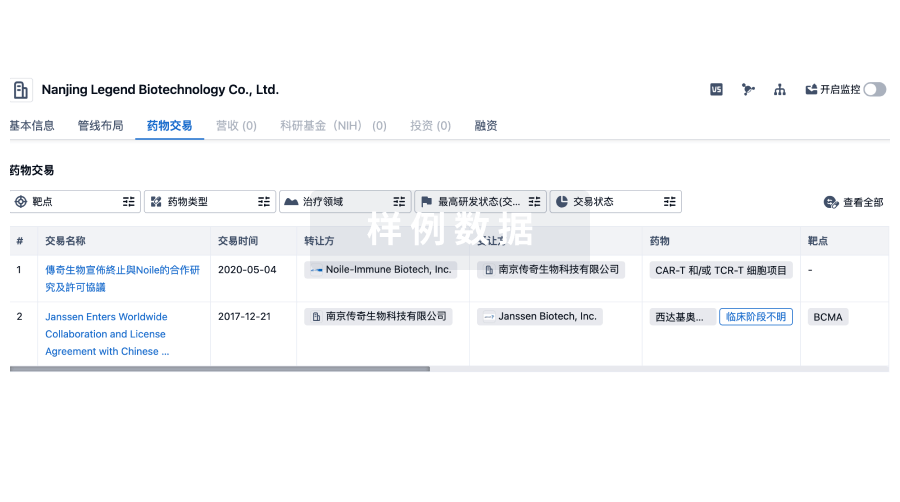
药物交易
使用我们的药物交易数据加速您的研究。
登录
或
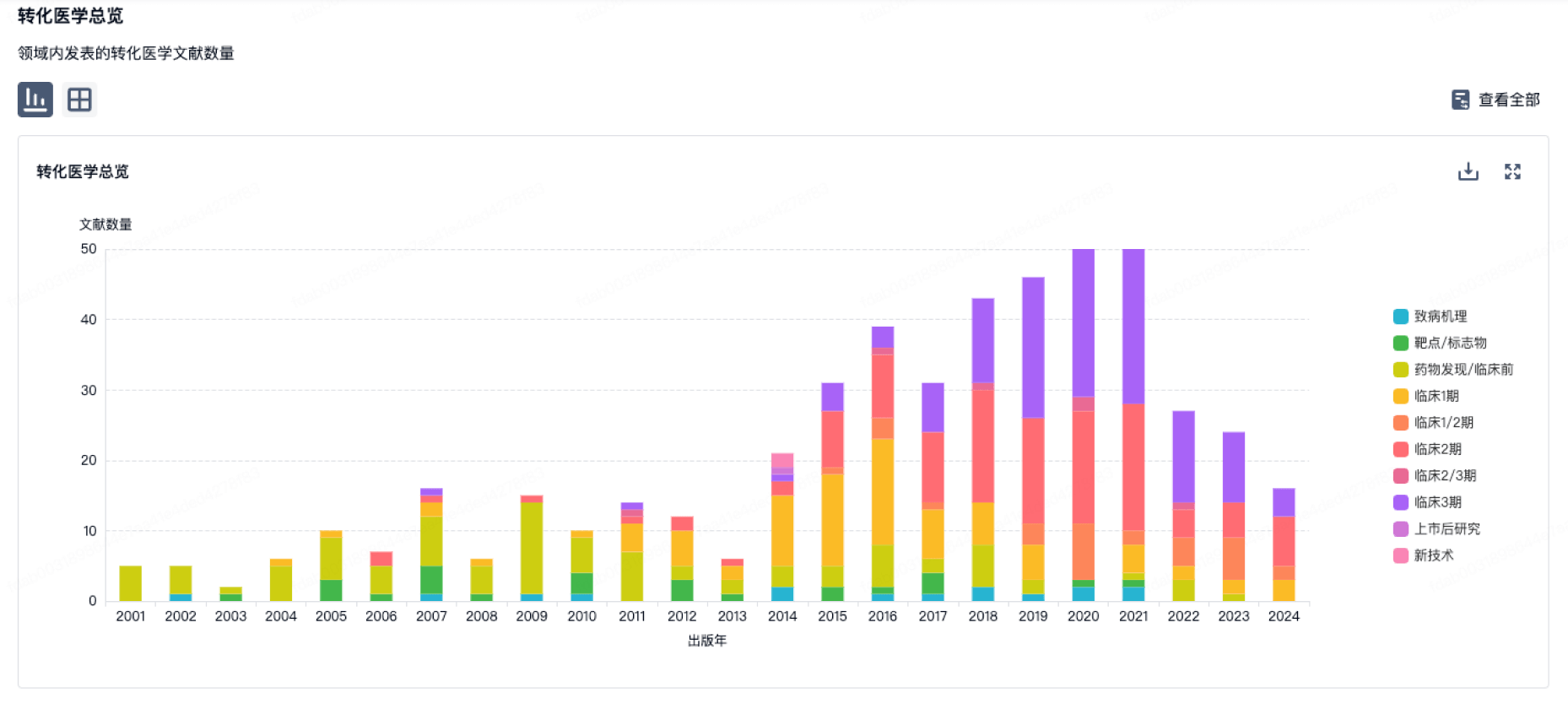
转化医学
使用我们的转化医学数据加速您的研究。
登录
或
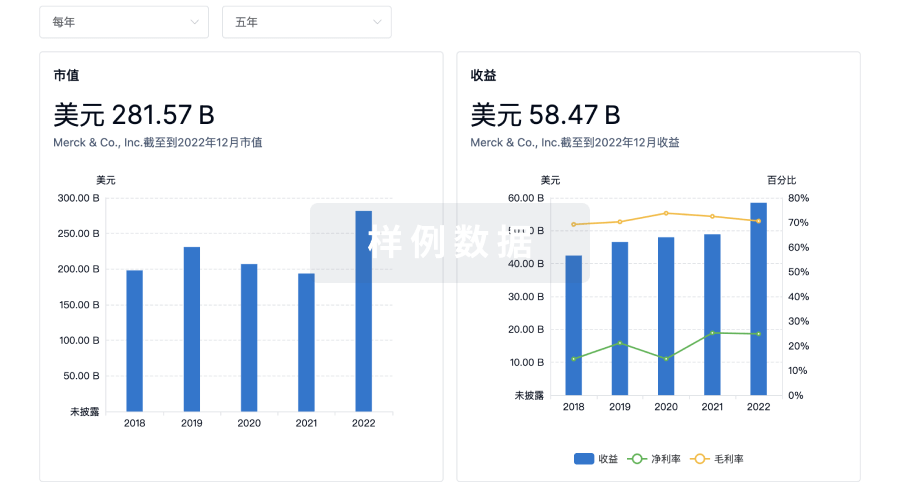
营收
使用 Synapse 探索超过 36 万个组织的财务状况。
登录
或
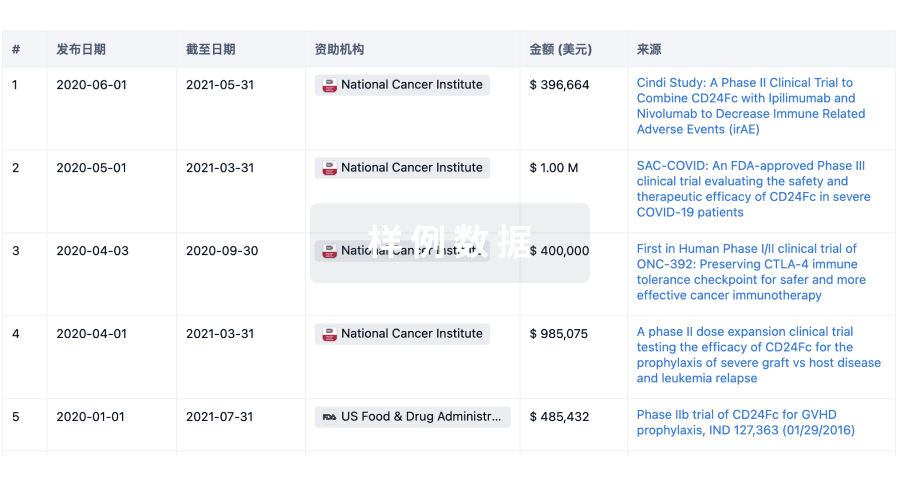
科研基金(NIH)
访问超过 200 万项资助和基金信息,以提升您的研究之旅。
登录
或
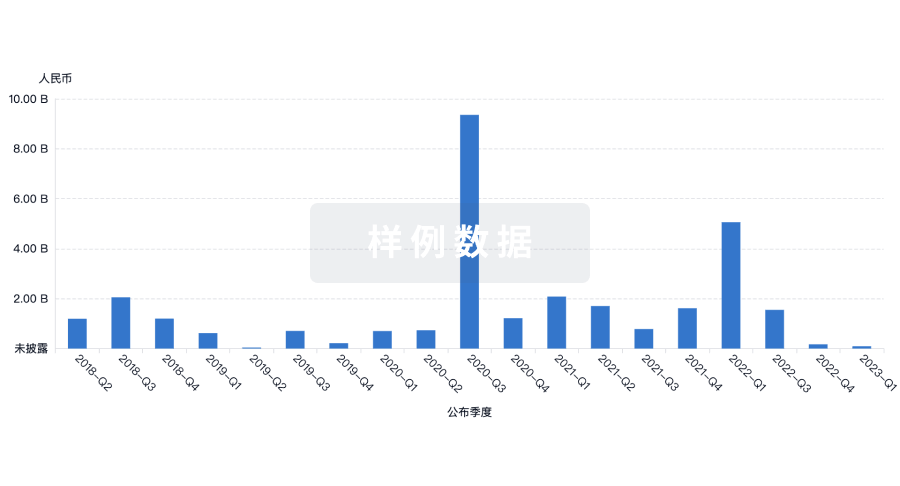
投资
深入了解从初创企业到成熟企业的最新公司投资动态。
登录
或
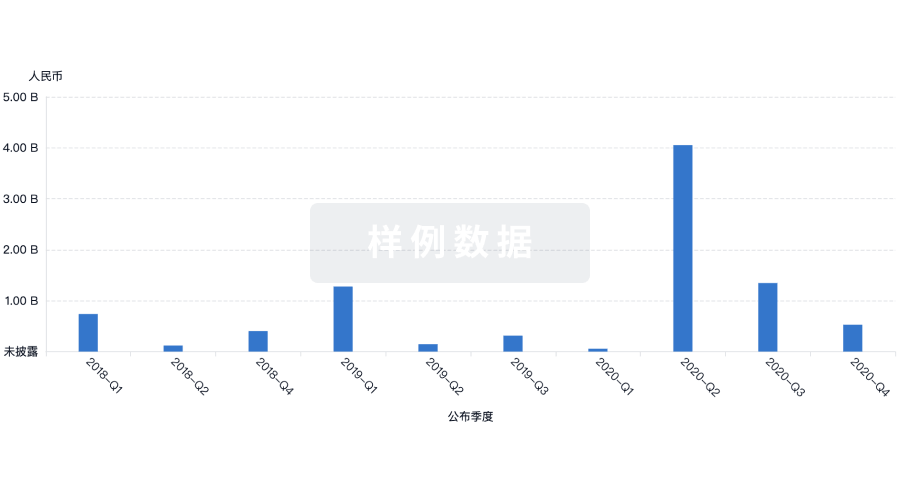
融资
发掘融资趋势以验证和推进您的投资机会。
登录
或
提出任何生物医药研究问题
让每一步生物医药决策都精准制胜
基于十亿级生物数据与全球情报的精准 AI,赋能早期药物发现
立即开始免费试用!
智慧芽新药情报库是智慧芽专为生命科学人士构建的基于AI的创新药情报平台,助您全方位提升您的研发与决策效率。
立即接入生物医药数据包
智慧芽新药库数据也通过智慧芽开放平台,以MCP或API服务形式对外开放。立即使用我们的MCP服务定制您的LLM智能体。
生物序列数据库
生物药研发创新
免费使用
化学结构数据库
小分子化药研发创新
免费使用