预约演示
更新于:2026-08-20
Bristol Myers Squibb Co.
更新于:2026-08-20
概览
标签
肿瘤
消化系统疾病
呼吸系统疾病
单克隆抗体
小分子化药
降解型分子胶
疾病领域得分
一眼洞穿机构专注的疾病领域

技术平台
公司药物应用最多的技术
靶点
公司最常开发的靶点
关联
靶点 |
作用机制 |
在研机构 |
原研机构 |
在研适应症 |
非在研适应症 |
最高研发阶段 |
首次获批国家/地区 |
首次获批日期 |

靶点 |
作用机制 |
在研机构 |
原研机构 |
在研适应症 |
非在研适应症 |
最高研发阶段 |
首次获批国家/地区 |
首次获批日期 |
靶点 |
作用机制 |
在研机构 |
原研机构 |
在研适应症 |
非在研适应症 |
最高研发阶段 |
首次获批国家/地区 |
首次获批日期 |
NCT07700329
A Phase 1, Double-Blinded, Randomized, Placebo-Controlled, Two Parallel Cohort Study to Evaluate the Pharmacokinetics, Safety, and Tolerability of BMS-986368 in Healthy Chinese Participants
NCT07084831
A Prospective, Open-label, Single-arm, Multicenter Study Evaluating the Efficacy of Xanomeline/Trospium (XT) on Cognitive Impairment After 24 and 52 Weeks of Treatment in Adult Participants With Schizophrenia
NCT07441408
An Open-label, Multi-center, Long-term Extension Study to Evaluate the Long-term Safety and Tolerability of Admilparant in Participants With Pulmonary Fibrosis
100 项与 Bristol Myers Squibb Co. 相关的临床结果
登录后查看更多信息
登录后查看更多信息
2026-07-15Journal of the American Chemical Society
High-Precision Intrinsic Interactome Elucidation of Chimeric Antigen Receptors via Photocatalytic Micromapping (μMap-CAR)
Article
作者: Agarwal, Vaishali ; Yechan Gunja, Sushma ; Barajas, Brook ; Amako, Yuka ; Pham, Helen ; Lovett, Gabrielle H. ; Seath, Ciaran P. ; Evans, Helen ; Liu, Haibo ; MacMillan, David W.C. ; Bell-Temin, Harris ; Li, Beryl ; Huth, Sean W. ; Raftopoulos, Philip ; Pan, Chenmengxiao Roderick ; Qiao, Jennifer X.
Chimeric Antigen Receptor T-cell (CAR-T) therapies represent a powerful modality for treating a variety of hematological cancers. However, limited efficacy in broader disease contexts, particularly solid tumors, underscores the need for improved CAR design to enhance potency, persistence, and safety. Key design features of CARs have been profoundly informed by extensive knowledge of the T-cell receptor (TCR) and its interactome. To advance CAR-T therapies, new functionally relevant proteins are needed to support engineering efforts. Until now, the actual molecular microenvironment surrounding CARs has remained poorly defined, chiefly due to the lack of a characterization method with the required precision and sensitivity. Herein, we introduce μMap-CAR, a high-resolution photocatalytic proximity labeling platform featuring key methodological optimizations that enable direct elucidation of the CAR interactome on live T-cell surfaces. The platform performs robustly in a model CAR-T cell system under both resting and simulated activation conditions. The high sensitivity of μMap-CAR allows interrogation of interactome differences upon CAR endodomain alterations, linking perturbed signaling networks directly to CAR components. We further deliver the first high-resolution intrinsic CAR interactome in primary T-cells, defined by shared interactors across donors, and validate candidates via super-resolution microscopy and CAR-T activation perturbation. This platform constitutes a powerful, broadly applicable tool for CAR interactome profiling while also providing actionable targets for proximity-guided CAR engineering applications.
2026-06-30Modern Rheumatology
Factors associated with treatment discontinuation and age-stratified safety of abatacept in Japanese patients with rheumatoid arthritis: 5-year results of the ORIGAMI study
Article
作者: Tanaka, Eiichi ; Tamura, Naoto ; Yoshitama, Tamami ; Yoshizawa, Yuri ; Harigai, Masayoshi ; Naniwa, Taio ; Inoue, Eisuke ; Himeno, Shinkichi ; Hirata, Shintaro ; Misaki, Kenta ; Oshikawa, Hideto ; Komiya, Takaaki ; Matsumoto, Shigeru ; Suzuki, Yoko ; Kaneko, Kaichi ; Hirano, Fuminori ; Yamanaka, Hisashi
Abstract:
Objective:
We investigated the factors associated with treatment discontinuation and safety of abatacept treatment up to 5 years as the first-line biologic in Japanese patients with rheumatoid arthritis (RA) of moderate disease activity (MDA).
Methods:
We analyzed 5-year data from the Orencia® Registry in Geographically Assembled Multicenter Investigation (ORIGAMI) study (UMIN000021263). We examined the factors associated with treatment discontinuation, overall and age-stratified safety, and effectiveness.
Results:
Among 279 analyzed patients, the cumulative incidence (95% CI) of discontinuation was 0.210 (0.158–0.262) for insufficient effectiveness and 0.266 (0.208–0.323) for adverse events (AEs). Older age (subdistribution hazard ratio [95% CI] 0.970 [0.946–0.995]; P = .018) and anti-citrullinated peptide antibody-positive status (0.284 [0.140–0.575]; P < .001) were associated with lower risk of discontinuation due to insufficient effectiveness. Presence of comorbidities was associated with greater risk of discontinuation due to AEs. The frequencies of AEs and adverse drug reactions remained stable or decreased over time. The safety was consistent with prior analyses of ORIGAMI and comparable among three age groups (<65, ≥65 to <75, and ≥75 years).
Conclusions:
Five-year results of the ORIGAMI study provide further evidence supporting the factors associated with long-term treatment continuation and safety of subcutaneous abatacept in patients with RA of MDA.
2026-05-04Personalized Medicine
Toward a harmonized assessment of MRD by NGS: blinded pilot study of NGS assays by MPAACT consortium
Article
作者: Stern, Mark ; Obourn, Vanessa ; Hamidi, Habib ; Hersey, Sarah ; Lopez, Gonzalo ; Patel, Shalaka
BACKGROUND:
Measurable residual disease (MRD) is a key prognostic factor in acute myeloid leukemia (AML). The Measurable residual disease Partnership and Alliance in Acute Myeloid Leukemia Clinical Treatment (MPAACT) Consortium aims to accelerate AML therapy development by validating MRD as an early clinical trial endpoint within the regulatory framework. This blinded pilot study evaluated commercial next-generation sequencing (NGS) MRD assays to identify those meeting technical, regulatory, and quality criteria for development.
METHODS:
Of 19 vendors meeting eligibility criteria, eight responded and seven assays from six vendors proceeded to blinded testing. Using 45 contrived DNA samples with variant allele frequencies (VAFs) from 0.1% to 15%, MPAACT evaluated sensitivity, specificity, reproducibility, accuracy, and dynamic range at 50 ng and 200 ng DNA inputs from vendor-submitted raw and annotated data.
RESULTS:
Two assays were eliminated due to inadequate variant detection or gene coverage. Among the remaining five, sensitivity varied and none reliably detected VAFs <0.5%. Increased DNA input improved low-VAF detection but elevated false positives. Assays 3, 4, and 7 showed the strongest performance; Assay 7 had the lowest detection limit but higher false positives.
CONCLUSIONS:
Commercial NGS assay performance varied widely, particularly at low VAFs. Selected assays merit further optimization for MRD assessments.
100 项与 Bristol Myers Squibb Co. 相关的药物交易
登录后查看更多信息
100 项与 Bristol Myers Squibb Co. 相关的转化医学
登录后查看更多信息
组织架构
使用我们的机构树数据加速您的研究。
登录
或
管线布局
2026年10月25日管线快照
管线布局中药物为当前组织机构及其子机构作为药物机构进行统计,早期临床1期并入临床1期,临床1/2期并入临床2期,临床2/3期并入临床3期
药物发现
29
157
临床前
临床申请
4
67
临床1期
临床2期
73
25
临床3期
申请上市
1
50
批准上市
其他
939
登录后查看更多信息
当前项目
登录后查看更多信息
药物交易
使用我们的药物交易数据加速您的研究。
登录
或
转化医学
使用我们的转化医学数据加速您的研究。
登录
或
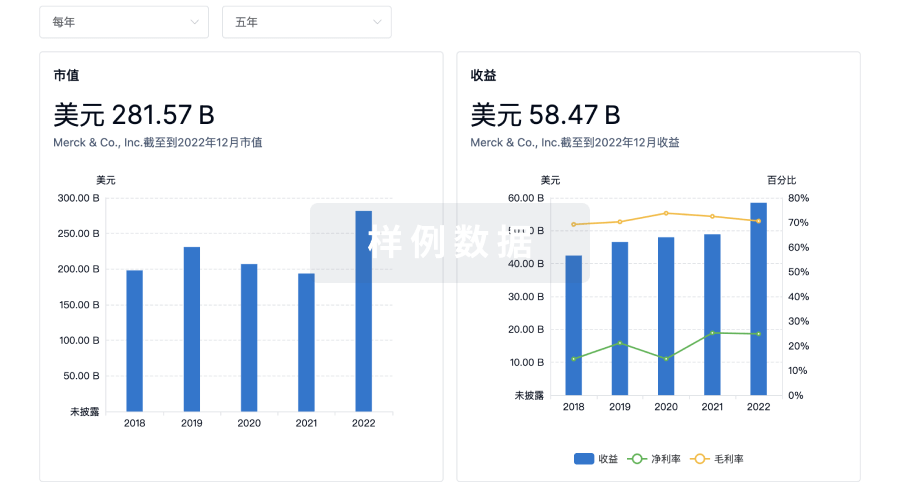
营收
使用 Synapse 探索超过 36 万个组织的财务状况。
登录
或
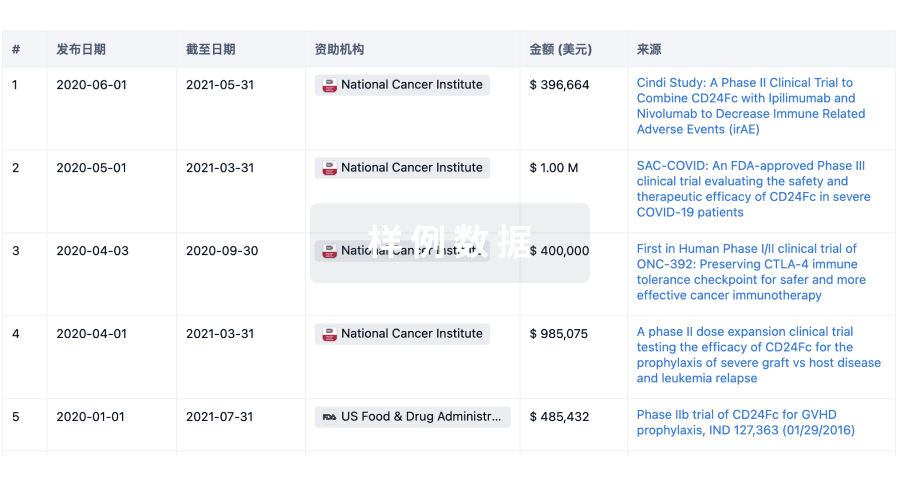
科研基金(NIH)
访问超过 200 万项资助和基金信息,以提升您的研究之旅。
登录
或
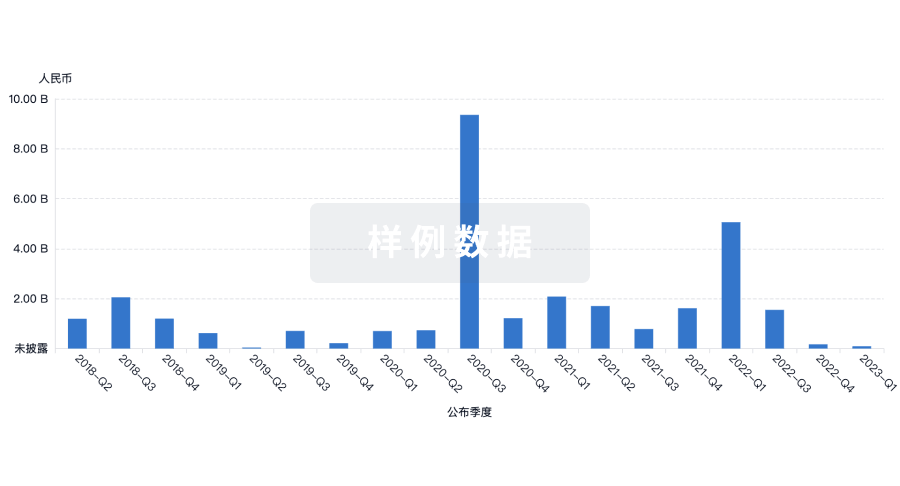
投资
深入了解从初创企业到成熟企业的最新公司投资动态。
登录
或
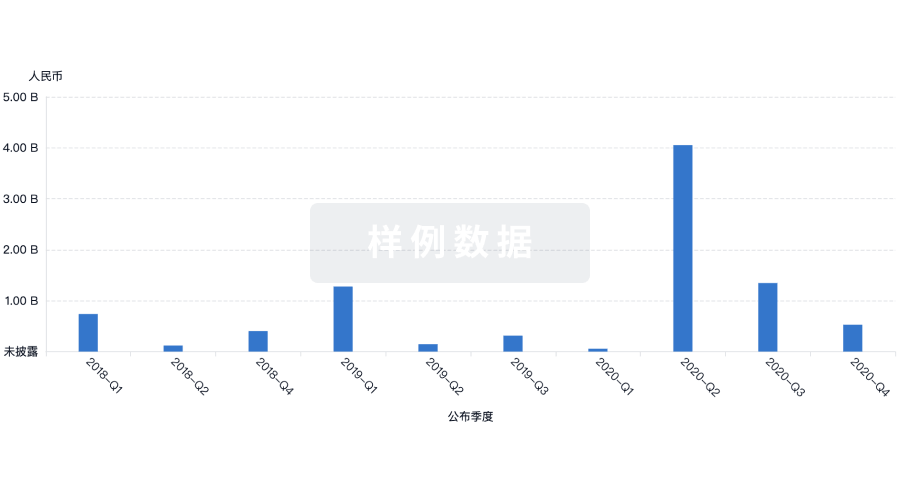
融资
发掘融资趋势以验证和推进您的投资机会。
登录
或
提出任何生物医药研究问题
让每一步生物医药决策都精准制胜
基于十亿级生物数据与全球情报的精准 AI,赋能早期药物发现
立即开始免费试用!
智慧芽新药情报库是智慧芽专为生命科学人士构建的基于AI的创新药情报平台,助您全方位提升您的研发与决策效率。
立即接入生物医药数据包
智慧芽新药库数据也通过智慧芽开放平台,以MCP或API服务形式对外开放。立即使用我们的MCP服务定制您的LLM智能体。
生物序列数据库
生物药研发创新
免费使用
化学结构数据库
小分子化药研发创新
免费使用