预约演示
更新于:2026-07-05

The University of Hong Kong
更新于:2026-07-05
概览
标签
肿瘤
感染
呼吸系统疾病
小分子化药
化学药
预防性疫苗
疾病领域得分
一眼洞穿机构专注的疾病领域

技术平台
公司药物应用最多的技术
靶点
公司最常开发的靶点
关联
靶点 |
作用机制 |
在研机构 |
原研机构 |
在研适应症 |
非在研适应症 |
最高研发阶段 |
首次获批国家/地区 |
首次获批日期 |

靶点 |
作用机制 |
在研机构 |
原研机构 |
在研适应症 |
非在研适应症 |
最高研发阶段 |
首次获批国家/地区 |
首次获批日期 |

靶点 |
作用机制 |
在研机构 |
原研机构 |
在研适应症 |
非在研适应症 |
最高研发阶段 |
首次获批国家/地区 |
首次获批日期 |


NCT07508644
Open-label, Multicenter Trial of RSV Vaccination to Reduce Moderate-to-severe Exacerbations in COPD Frequent Exacerbators: Clinical Effectiveness and RSV-specific Immune Responses

NCT05981430
Oral Fecal Microbiota Transplant Capsules for Decolonization of Carbapenem-resistant Enterobacteriaceae: a Double-blind Randomized Controlled Trial
NCT07656597
Do Immediate Digital Workflows Increase Patient Value? A Patient-Reported Outcome Measure-Based Randomized Controlled Trial Comparing Immediate Versus Delayed Digital Posterior Implant Workflows

100 项与 香港大学 相关的临床结果
登录后查看更多信息
登录后查看更多信息
2026-12-31Pulmonology
Pulmonary blood volume redistribution in COVID-19 patients of different severity and its predictive value for six-month outcomes in the less pathogenic Omicron variant
Article
作者: Wu, Zifeng ; Hu, Ge ; Tian, Xinlun ; Tan, Weixiong ; Song, Wei ; Song, Lan ; Jin, Zhengyu ; Zhu, Zhenchen ; Yu, Yizhou ; Pan, Zhengsong ; Han, Wei ; Zhou, Zhen
BACKGROUND:
The redistribution of pulmonary blood volume (PBV) across COVID-19 severity levels and its prognostic value for the less pathogenic, predominantly upper respiratory tract-infecting Omicron variant remain unclear. This study investigates PBV distribution patterns and validates its predictive utility for Omicron outcomes.
METHODS:
This retrospective study enrolled consecutive patients (November 2022-January 2023) with baseline CT and clinical data, followed for six months. Patients were divided into mild/moderate (MM) and severe/critical (SC) groups according to COVID-19 severity. Pre-trained deep learning algorithms quantified total, lobar, and vessel-size-specific PBV. Adjusted multivariable analyses determined odds ratios (OR) for clinical outcomes, and logistic regression models based on PBV were constructed to predict adverse events.
RESULTS:
Among 921 patients (61 ± 20 years, 460 men), 755 were in the MM group and 166 in the SC group. Compared to MM patients, SC patients showed significantly lower total PBV (259 mL vs. 239 mL, p = 0.002) and redistribution from lower to upper lobes (upper vs. lower; MM, 21% vs. 23%; SC, 23% vs. 18%) and from small-calibre (≤5 mm2, 44% vs. 32%, p < 0.0005) to large-calibre (>10 mm2, 39% vs. 51%, p < 0.0005) vessels. PBV (especially in vessels ≤5 mm2) predicted six-month composite outcomes (OR = 4.66, AUC = 0.79, sensitivity = 92%) and mortality (OR = 3.34, AUC = 0.75, sensitivity = 93%) for the Omicron variant with high sensitivity, but at a higher risk threshold (42%) than that reported for more pathogenic variants in previous publications.
CONCLUSIONS:
Severe/critical COVID-19 is associated with reduced PBV and its redistribution across lung regions and vessel sizes. PBV retains predictive value for clinical outcomes in the immune-evasive Omicron variant.
2026-12-31Emerging Microbes & Infections
Antiviral activities of multiple antivirals against highly pathogenic avian influenza A H5N1
in vitro
and in mice
Article
作者: Chen, Honglin ; Zhang, Ruiqi ; Liu, Danlei ; Leung, Ka-Yi ; Hung, Ivan Fan-Ngai ; Lam, Hoi-Yan ; Xie, Xiaochun ; Fan, Yujing ; Chan, Kwok-Hung
In 2024, a bovine H5N1 strain was first isolated from dairy cows in Texas and confirmed to transmit cross-species to humans. Therefore, research on treatments for human infection should be accelerated. In our study, the antiviral effects of baloxavir acid (BXA), oseltamivir carboxylate (OSC), EIDD-1931 (NHC), and ribavirin (RBV) against five H5N1 strains were evaluated in vitro. Cell viability and viral replication were measured to assess the antiviral effects. The results showed that the EC50 of BXA treatment was the lowest. The BXA/NHC and BXA/OSC combination treatments showed more potent inhibitory effects than each monotherapy. The 15 mg/kg baloxavir marboxil (BXM) / 125 mg/kg molnupiravir (MNP) and the 15 mg/kg BXM / 10 mg/kg oseltamivir phosphate (OSP) were tested in BALB/c mice. The mice were inoculated with 10 times the 50% mouse lethal dose (10 MLD50) of bovine H5N1 virus. Treatments began 1-day post-infection (1 dpi) and were administered orally twice daily for 5 or 7 days. Changes in body weight, clinical signs, and survival were monitored; lung and brain tissues were collected for virological, immunological, and histological analyses. Most mice died from severe neurological symptoms. Compared with the 5-day treatment, the 7-day treatment effectively inhibited viral replication and increased survival rates to 50% in BXM, BXM/MNP, and BXM/OSP treatments. Mice treated with BXM/MNP or BXM/OSP combination therapy showed lower viral yields in the lungs than those treated with BXM alone. The results provide a reference for human treatment, and extending the 7-day combination treatment should be considered.
2026-12-31Gut Microbes
Novel bacterium
Enterocloster
sp. M3 promotes colorectal tumorigenesis via the production of the carcinogen styrene
Article
作者: Lu, Jiawei ; Jiang, Liting ; Zhou, Jie ; Zhou, Tingyu ; Huang, Yanqing ; Ye, Silin ; Chiu, Man Chun ; Chen, Jiangying ; Lau, Effie Yin Tung ; Zeng, Yao ; Sun, Yuting ; Liang, Jessie Qiaoyi ; Zheng, Shu ; Chan, Francis Ka Leung ; Fenske, Linda ; Huang, Yao
BACKGROUND:
The bacterial marker 'm3' shows promise for the non-invasive diagnosis of colorectal cancer (CRC) and adenomas. However, the m3-harboring bacterium (M3) had not been successfully cultured.
OBJECTIVE:
This study aims to elucidate the functional mechanisms of M3 in CRC.
DESIGN:
M3 was isolated using a targeted enrichment strategy. Its functional roles were investigated in vitro and in vivo. Bacterial and fecal metabolites were analyzed by untargeted LC-MS and targeted LC/GC-MS. RNA-seq profiled host gene expression altered by M3. Key enzymes were identified through whole-genome sequencing and proteomics.
RESULTS:
M3 is phylogenetically related to Enterocloster aldenensis but exhibits distinct genetic and phenotypic characteristics. M3 significantly promoted colon tumor development in both ApcMin/+ mice and azoxymethane-treated mice. M3 culture supernatant enhanced colon cancer cell proliferation, migration, and cell cycle progression, accelerated xenograft tumor growth, stimulated intestinal organoid expansion, and disrupted DNA damage repair pathways. M3 produced styrene-a recognized human carcinogen-in both in vitro cultures and mouse models, a function not previously reported in bacteria. Importantly, styrene levels were significantly elevated in feces of CRC patients and exceeded WHO safety limit in mouse gut (12.5 vs. 7.7 μg/kg/d). Moreover, we identified novel bacterial enzymes-aspartate ammonia-lyase and uroporphyrinogen decarboxylase-that convert phenylalanine to styrene.
CONCLUSIONS:
This study identifies M3 as a novel pro-tumorigenic bacterium in CRC, capable of direct biosynthesis of the carcinogenic metabolite styrene. We provide the first evidence of bacterial styrene biosynthesis, unveiling a previously unrecognized mechanism by which gut bacteria may promote colorectal tumorigenesis.WHAT IS ALREADY KNOWN ON THIS TOPICThe bacterial marker m3 has been associated with colorectal cancer, but the bacterium carrying it had not been cultured.Styrene is a recognized environmental carcinogen linked to cancers, and its bacterial biosynthesis had not been reported.WHAT THIS STUDY ADDSWe isolated and characterized the novel bacterium M3, which carries the m3 marker. It is phylogenetically related to Enterocloster aldenensis but possesses distinct genetic and phenotypic features.M3 promotes colorectal tumorigenesis through the production of tumor-promoting metabolites, including styrene.Fecal styrene levels are significantly elevated in colorectal cancer patients.We elucidated the mechanism of direct styrene biosynthesis in M3, identifying two novel enzymes-aspartate ammonia-lyase and uroporphyrinogen decarboxylase-that catalyze this process.HOW THIS STUDY MIGHT AFFECT RESEARCH, PRACTICE OR POLICYM3 and bacterially derived styrene may serve as novel targets for colorectal cancer prevention and treatment strategies.
100 项与 香港大学 相关的药物交易
登录后查看更多信息
100 项与 香港大学 相关的转化医学
登录后查看更多信息
组织架构
使用我们的机构树数据加速您的研究。
登录
或
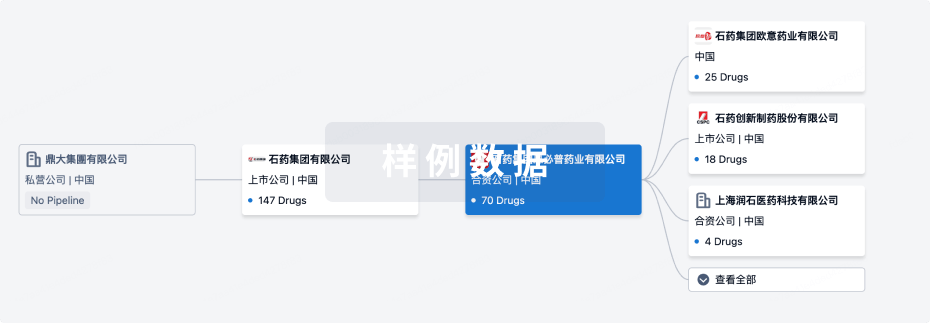
管线布局
2026年10月24日管线快照
管线布局中药物为当前组织机构及其子机构作为药物机构进行统计,早期临床1期并入临床1期,临床1/2期并入临床2期,临床2/3期并入临床3期
药物发现
12
33
临床前
临床1期
1
2
临床2期
临床3期
1
14
其他
登录后查看更多信息
当前项目
登录后查看更多信息
药物交易
使用我们的药物交易数据加速您的研究。
登录
或
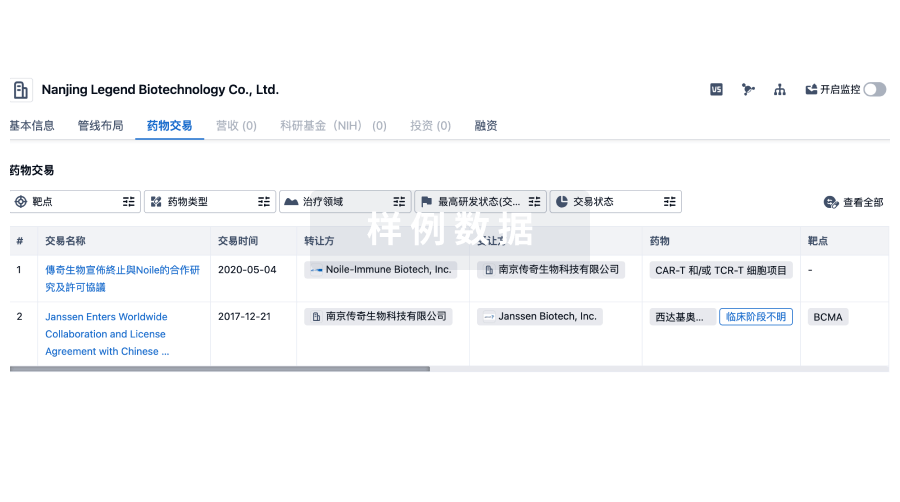
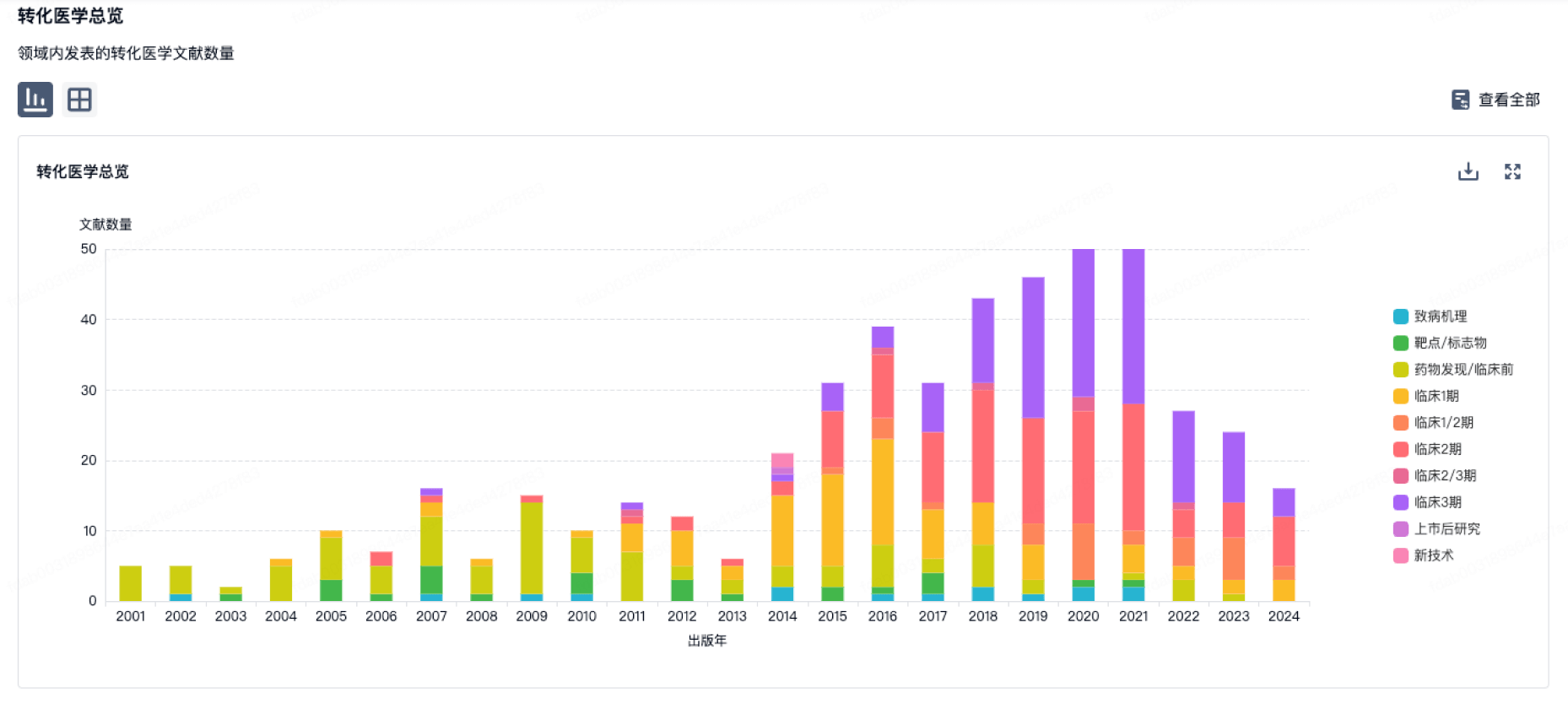
转化医学
使用我们的转化医学数据加速您的研究。
登录
或
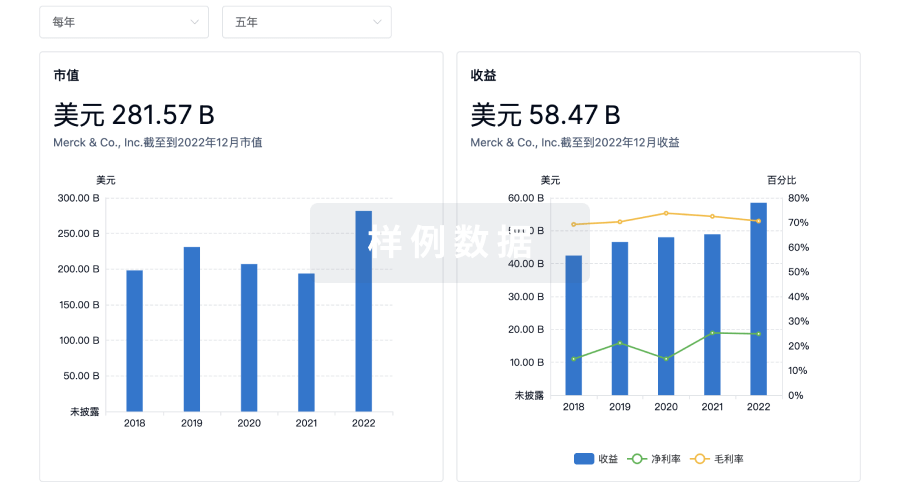
营收
使用 Synapse 探索超过 36 万个组织的财务状况。
登录
或
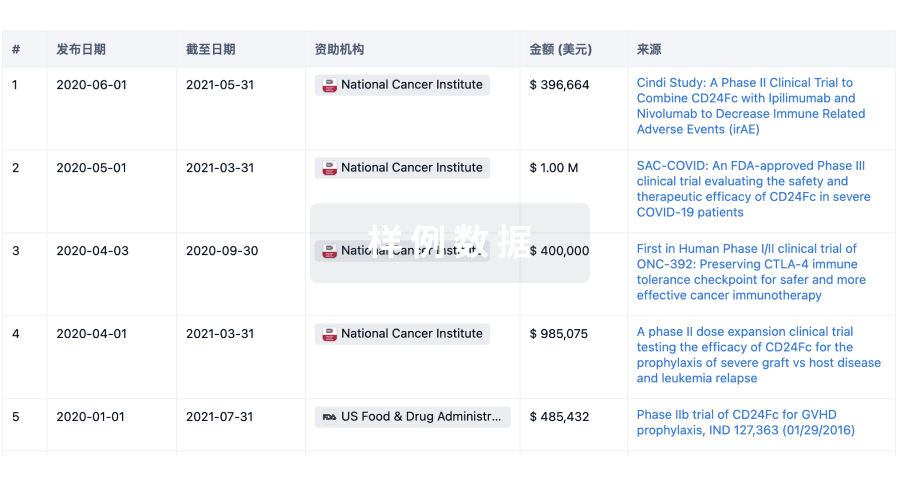
科研基金(NIH)
访问超过 200 万项资助和基金信息,以提升您的研究之旅。
登录
或
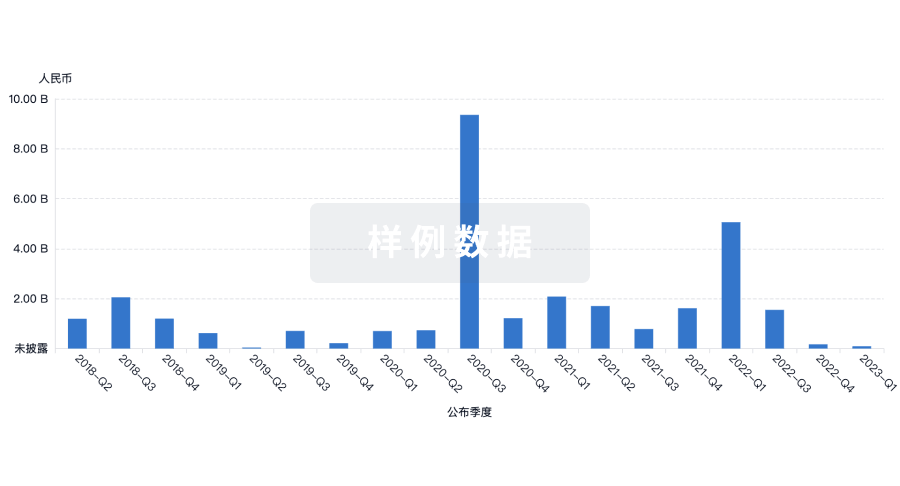
投资
深入了解从初创企业到成熟企业的最新公司投资动态。
登录
或
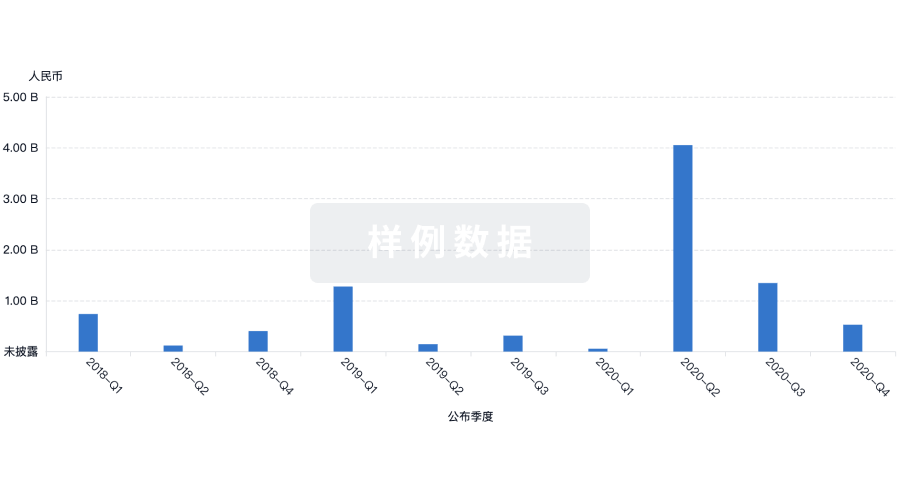
融资
发掘融资趋势以验证和推进您的投资机会。
登录
或
提出任何生物医药研究问题
让每一步生物医药决策都精准制胜
基于十亿级生物数据与全球情报的精准 AI,赋能早期药物发现
立即开始免费试用!
智慧芽新药情报库是智慧芽专为生命科学人士构建的基于AI的创新药情报平台,助您全方位提升您的研发与决策效率。
立即接入生物医药数据包
智慧芽新药库数据也通过智慧芽开放平台,以MCP或API服务形式对外开放。立即使用我们的MCP服务定制您的LLM智能体。
生物序列数据库
生物药研发创新
免费使用
化学结构数据库
小分子化药研发创新
免费使用