预约演示
更新于:2026-10-16

Astellas Pharma, Inc.
更新于:2026-10-16
概览
标签
肿瘤
消化系统疾病
泌尿生殖系统疾病
小分子化药
ADC
双特异性T细胞结合器
疾病领域得分
一眼洞穿机构专注的疾病领域

技术平台
公司药物应用最多的技术
靶点
公司最常开发的靶点
关联
靶点 |
作用机制 |
在研机构 |
原研机构 |
在研适应症 |
非在研适应症 |
最高研发阶段 |
首次获批国家/地区 |
首次获批日期 |

靶点 |
作用机制 |
在研机构 |
原研机构 |
在研适应症 |
非在研适应症 |
最高研发阶段 |
首次获批国家/地区 |
首次获批日期 |

靶点 |
作用机制 |
在研机构 |
原研机构 |
在研适应症 |
非在研适应症 |
最高研发阶段 |
首次获批国家/地区 |
首次获批日期 |

NCT07425808
Gilteritinib in Combination With Azacitidine and Venetoclax Compared to Induction Chemotherapy "7+3" in Combination With a FLT3-inhibitor in Fit, Newly Diagnosed, FLT3-ITD Mutated Adult AML Patients: a Randomized Trial of the EORTC Leukemia Group and GIMEMA.

NCT07619105
Post-marketing Observational Study for Vesomni Modified Release Tablet 6 mg/0.4 mg (Solifenacin Succinate/Tamsulosin Hydrochloride) in Male Patients With Moderate to Severe Storage Symptoms and Voiding Symptoms Associated With BPH Who Are Not Adequately Responding to Treatment With Tamsulosin Monotherapy in South Korea
NCT07829757
A Phase 4, Multicenter, Open-label, Safety and Antitumor Activity Study of Zolbetuximab Plus mFOLFOX6 or CAPOX as Firstline Treatment in Indian Participants With Claudin (CLDN) 18.2-positive, HER2-negative, Locally Advanced Unresectable or Metastatic Gastric or Gastroesophageal Junction (GEJ) Adenocarcinoma
100 项与 Astellas Pharma, Inc. 相关的临床结果
登录后查看更多信息
登录后查看更多信息
2026-12-01JOURNAL OF PHARMACOKINETICS AND PHARMACODYNAMICS
Development of an isavuconazole physiologically-based pharmacokinetic model for adult and pediatric populations
Article
作者: Otsuka, Yukio ; Choules, Mary P ; Bonate, Peter L ; Kovanda, Laura Lynn ; Brüggemann, Roger J ; Desai, Amit
Abstract:
Isavuconazonium sulfate is the water-soluble prodrug of the active triazole antifungal agent isavuconazole. Isavuconazonium sulfate is approved for the treatment of invasive aspergillosis and invasive mucormycosis in pediatric and adult populations. In the present analysis, an isavuconazole physiologically-based pharmacokinetic (PBPK) model was built and verified in adult and pediatric populations using the Simcyp
®
simulator. The verified pediatric model was then used to predict the magnitude of DDI risk in pediatric populations vs. adult populations. The simulations conducted were designed to match the observed clinical trials conducted in adults but with pediatric equivalent doses based on clinical guidelines. Based on the results of the analysis, isavuconazole DDI risk was similar between pediatric and adult populations. When the isavuconazole perpetrator DDI simulations were compared to adults, there was a trend of larger geometric mean (GM) AUC
inf
and C
max
ratios in patients 1 to < 3 years old receiving the 15 mg/kg dose. The GM AUC
inf
ratio in this study population ranged from 7 to 36% larger than predicted in the adult population. Based on the results of this analysis and literature reports, it is advisable to show greater caution when considering potential DDI in patients < 3-year-old, especially when receiving larger isavuconazonium sulfate doses. In addition, caution should be used in patients < 3 years-old when considering coadministration of isavuconazole with narrow therapeutic index medications such as digoxin and warfarin or medications with large variability in oral bioavailability such as midazolam.
2026-11-01JOURNAL OF WOMENS HEALTH
Prevalence of Elevated Liver-Associated Enzymes in Women Aged 40–65 Years in the United States Overall, and With and Without Metabolic Dysfunction—Associated Steatotic Liver Disease
Article
作者: Martins, Karla ; Pierre-Louis, Bosny ; Storfer-Isser, Amy ; Han, Wei ; Robinson, Noah Jamie ; Cui, Yadong Adam ; Chin-Kon-Sung, Ulrich ; Snijder, Robert
Background::
We estimated the prevalence of elevated liver-associated enzymes (LAEs) in a nationally representative sample of women aged 40–65 years in the United States, overall and by menopausal status or by metabolic dysfunction-associated steatotic liver disease (MASLD).
Methods::
This descriptive study used cross-sectional data from the National Health and Nutrition Examination Survey collected from 1999/2000 to 2017/March 2020. The primary study endpoint was the weighted prevalence of elevated LAEs, measured by alanine aminotransferase (ALT) or aspartate aminotransferase (AST) >3× the upper limit of normal (ULN). Prespecified secondary endpoints included the prevalence of elevated LAEs by different definitions and by menopause and MASLD status.
Results::
The study included 11,443 women aged 40–65 years (mean age 51.7 years) from surveys representing the general population: 53.3% postmenopausal, 33.8% premenopausal, and 12.9% with unknown menopausal status. The prevalence of MASLD was estimated at 29.5% (95% confidence interval [CI]: 27.7–31.4); this was higher in postmenopausal women (34.4%, 95% CI: 32.0–36.9) than premenopausal women (22.7%, 95% CI: 20.2–25.4). The estimated prevalence of ALT or AST >3× ULN was 0.87% (95% CI: 0.68–1.11); this was similar for premenopausal (0.84%, 95% CI: 0.48–1.36) and postmenopausal (0.91%, 95% CI: 0.67–1.21) women, but higher for women with MASLD (1.50%, 95% CI: 0.87–2.40) than those without MASLD (0.25%, 95% CI: 0.09–0.56).
Conclusions::
This study provides prevalence estimates of elevated LAEs in middle-aged women in the US general population. MASLD was common, and ALT or AST >3× ULN was more prevalent in women with than without MASLD.
2026-10-13Blood Advances
Regional practice differences significantly affect the benefit of post-HCT gilteritinib in
FLT3-ITD
AML
Article
作者: Perl, Alexander E. ; Rosales, Matt ; Kim, Hee-Je ; Logan, Brent R. ; Thomson, Kirsty ; Nuthethi, Rishita ; Singh, Anurag K. ; Jones, Richard J. ; Chen, Caroline ; Vasu, Sumithira ; Gill, Stanley C. ; Litzow, Mark R. ; Uy, Geoffrey L. ; Waller, Edmund K. ; Najima, Yuho ; Hill, Jason ; Oshima, Masumi Ueda ; Papadopoulos, Esperanza B. ; King, Denise ; Muffly, Lori S. ; Solh, Melhem ; Horowitz, Mary M. ; Chen, Yi-Bin ; Hasabou, Nahla ; Wingard, John R. ; Levis, Mark J. ; Mishra, Asmita ; Soiffer, Robert J. ; Mendizabal, Adam ; Onozawa, Masahiro ; Ustun, Celalettin ; Hamadani, Mehdi ; Stelljes, Matthias ; Devine, Steven M.
Abstract:
BMT CTN 1506 (MORPHO) was a phase 3 study of post–hematopoietic cell transplantation (HCT) maintenance with gilteritinib vs placebo for patients with FLT3-ITD–mutated acute myeloid leukemia (AML) in first remission. Subgroup analysis indicated a significant benefit of post-HCT gilteritinib for participants in North America but no benefit for those in Europe or Asia. We conducted a post hoc analysis of the data focusing on the time from AML diagnosis to HCT, pre-HCT FLT3 inhibitor use, and FLT3-ITD measurable residual disease (MRD). Participants who underwent transplantation <120 days from AML diagnosis and/or those treated with FLT3 inhibition before HCT were more likely to have improved survival from post-HCT gilteritinib. Pre-HCT MRD levels were higher (P = .001) in participants who underwent transplantation within 120 days from diagnosis and in those treated with an FLT3 inhibitor before HCT and underwent transplantation within 120 days (P = .008). Pre-HCT MRD was dependent on both FLT3 inhibitor use and time to HCT, because participants treated with successive courses of chemotherapy + FLT3 inhibition had successively lower MRD by the time of HCT. Time from AML diagnosis to HCT and pre-HCT FLT3 inhibitor use both appeared to affect MRD levels immediately before HCT, and geographic differences in these 2 practice patterns likely accounted for the observed regional differences in benefit from post-HCT gilteritinib. Increasing the number of courses of treatment before HCT may lower MRD sufficiently to eliminate the need for post-HCT inhibition, but with a presumed risk of some patients experiencing early progression. This trial was registered at www.clinicaltrials.gov as #NCT02997202.
2026-10-15
·药时代
100 项与 Astellas Pharma, Inc. 相关的药物交易
登录后查看更多信息
100 项与 Astellas Pharma, Inc. 相关的转化医学
登录后查看更多信息
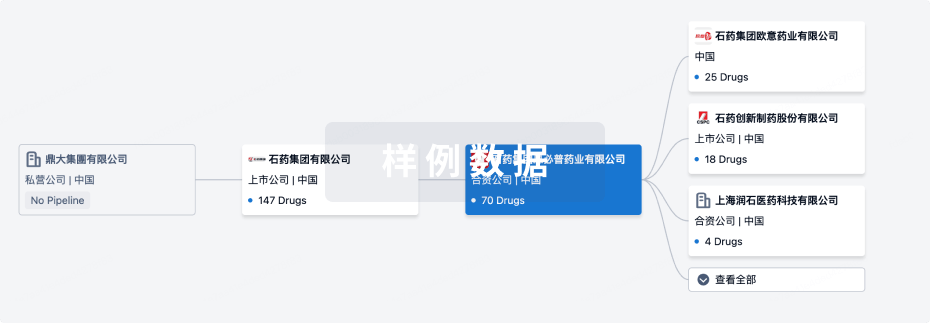
组织架构
使用我们的机构树数据加速您的研究。
登录
或
管线布局
2026年10月26日管线快照
管线布局中药物为当前组织机构及其子机构作为药物机构进行统计,早期临床1期并入临床1期,临床1/2期并入临床2期,临床2/3期并入临床3期
药物发现
13
63
临床前
临床申请批准
2
9
临床1期
临床2期
15
5
临床3期
批准上市
47
585
其他
登录后查看更多信息
当前项目
登录后查看更多信息
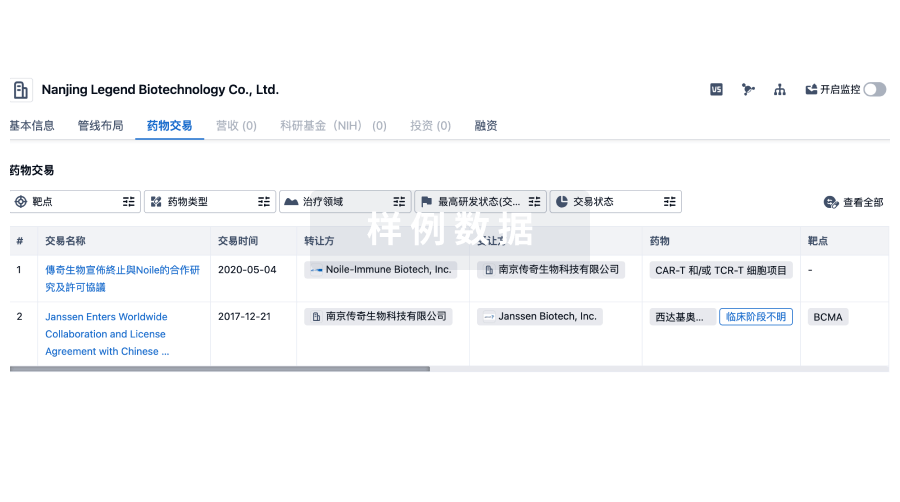
药物交易
使用我们的药物交易数据加速您的研究。
登录
或
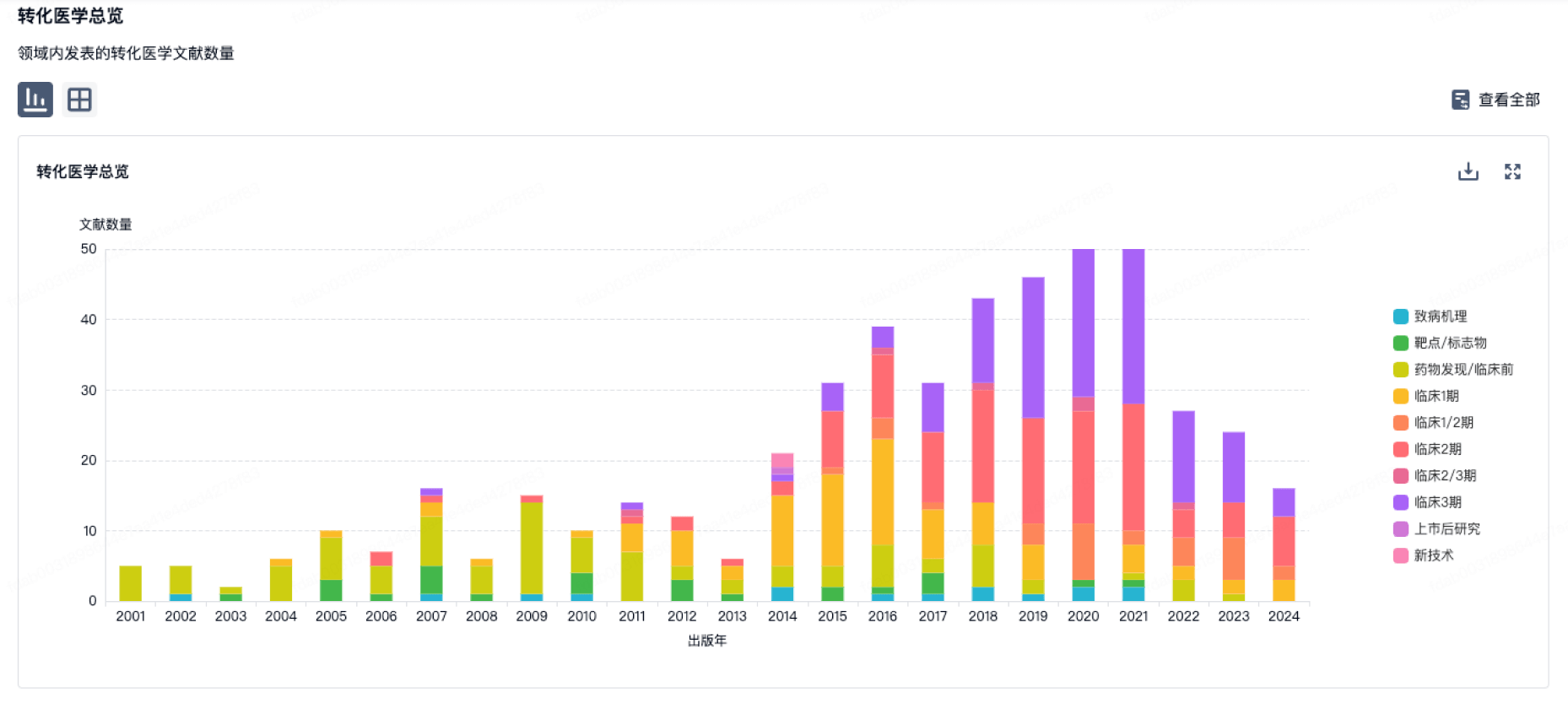
转化医学
使用我们的转化医学数据加速您的研究。
登录
或
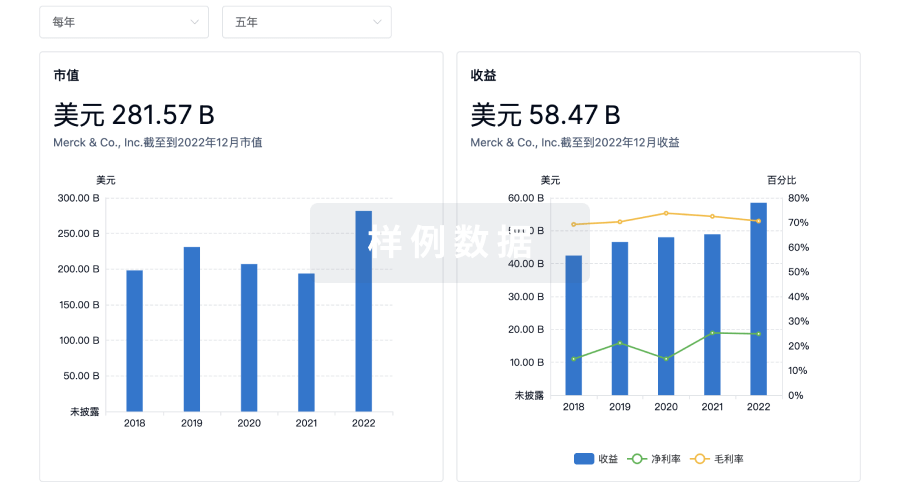
营收
使用 Synapse 探索超过 36 万个组织的财务状况。
登录
或
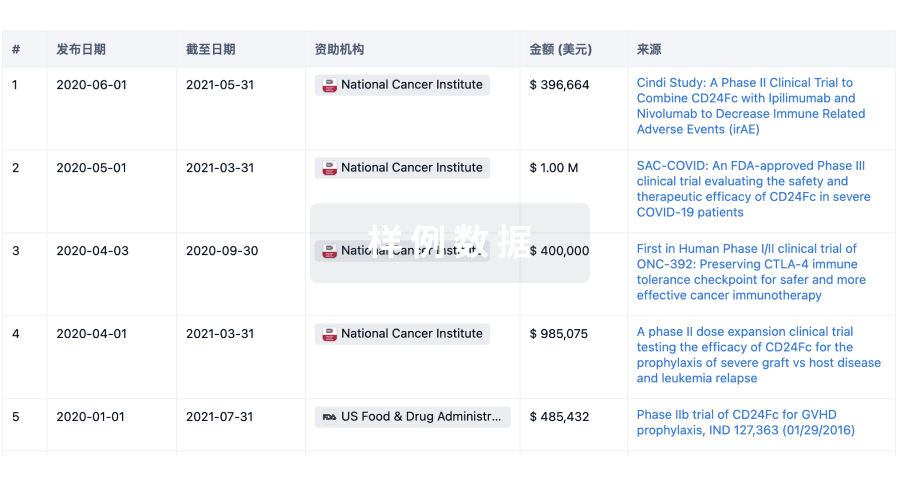
科研基金(NIH)
访问超过 200 万项资助和基金信息,以提升您的研究之旅。
登录
或
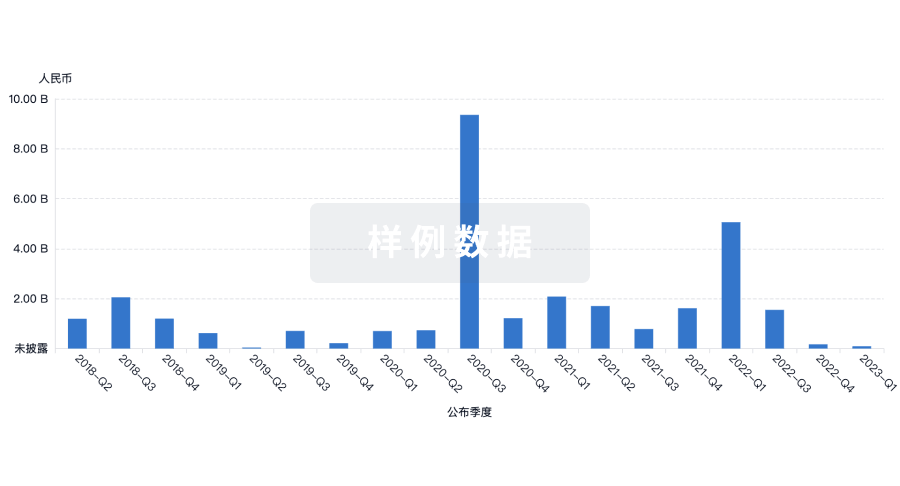
投资
深入了解从初创企业到成熟企业的最新公司投资动态。
登录
或
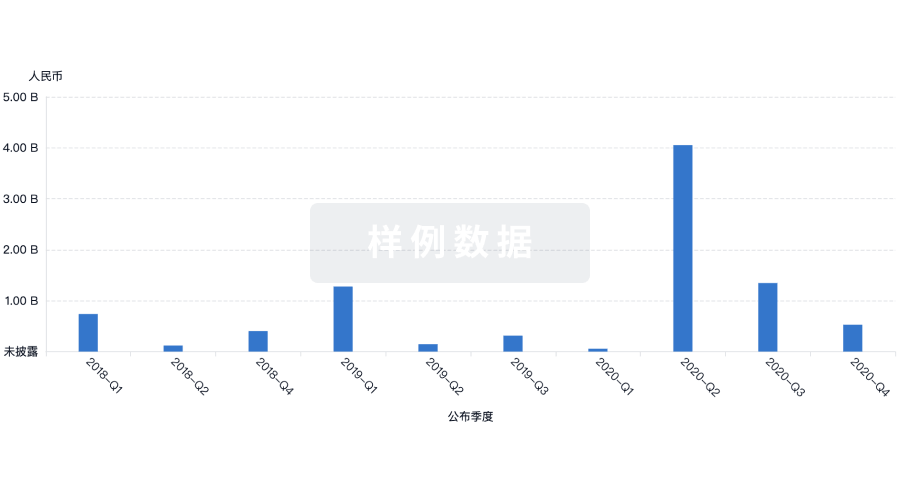
融资
发掘融资趋势以验证和推进您的投资机会。
登录
或
提出任何生物医药研究问题
让每一步生物医药决策都精准制胜
基于十亿级生物数据与全球情报的精准 AI,赋能早期药物发现
立即开始免费试用!
智慧芽新药情报库是智慧芽专为生命科学人士构建的基于AI的创新药情报平台,助您全方位提升您的研发与决策效率。
立即接入生物医药数据包
智慧芽新药库数据也通过智慧芽开放平台,以MCP或API服务形式对外开放。立即使用我们的MCP服务定制您的LLM智能体。
生物序列数据库
生物药研发创新
免费使用
化学结构数据库
小分子化药研发创新
免费使用