预约演示
更新于:2026-05-31

Baxter International, Inc.
更新于:2026-05-31
概览
标签
肿瘤
呼吸系统疾病
其他疾病
小分子化药
灭活疫苗
预防性疫苗
疾病领域得分
一眼洞穿机构专注的疾病领域

技术平台
公司药物应用最多的技术
靶点
公司最常开发的靶点
关联
靶点 |
作用机制 |
在研机构 |
原研机构 |
在研适应症 |
非在研适应症 |
最高研发阶段 |
首次获批国家/地区 |
首次获批日期 |
靶点 |
作用机制 |
在研机构 |
原研机构 |
在研适应症 |
非在研适应症 |
最高研发阶段 |
首次获批国家/地区 |
首次获批日期 |

靶点 |
作用机制 |
在研机构 |
原研机构 |
在研适应症 |
非在研适应症 |
最高研发阶段 |
首次获批国家/地区 |
首次获批日期 |

NCT05316532
A Novel ECCO2R Device as a Lung Protective Measure in Hypercapnic Respiratory Failure: a Prospective Multicenter Trial

ISRCTN25749326
Albumin levels, inflammation and nutrition in chronic hemodialysis patients treated with medium cut-off or high-flux membranes: A cohort study
CTR20160633
瑞莫杜林慢速和快速剂量递增给药在治疗肺动脉高压患者中的安全性、耐受性、有效性和药代动力学研究

100 项与 Baxter International, Inc. 相关的临床结果
登录后查看更多信息
登录后查看更多信息
2026-02-01CANCER SCIENCE
A
YAP
/
TAZ
–
CDC6
Axis Initiates and Maintains Malignant Transformation
Article
作者: Mayumi Niimura ; Akihiro Nita ; Samson Ngurari ; David Nduru ; Yudai Ohta ; Toshiro Moroishi
ABSTRACT:
Malignant transformation involves the acquisition of proliferative advantages by cells, often through the dysregulation of key signaling pathways. The Hippo pathway effectors YAP and TAZ are well‐established regulators of cell proliferation, and their aberrant activation is linked to tumorigenesis in various cancers. However, the molecular mechanisms by which YAP and TAZ sustain malignant transformation remain unclear. In this study, we employed an in vitro transformation model using immortalized mouse embryonic fibroblasts (iMEFs) constitutively expressing active YAP or TAZ. We demonstrated that YAP or TAZ hyperactivation is sufficient to induce malignant transformation, and that the removal of these proteins reverses the transformed phenotype, indicating their necessity for both tumor initiation and maintenance. Transcriptomic profiling identified a 17‐gene signature specifically upregulated by YAP, which was enriched in cell cycle–related genes. Among these, CDC6, a DNA replication licensing factor, emerged as a critical target of YAP and TAZ. Functional assays revealed that CDC6 depletion impaired YAP/TAZ‐induced anchorage‐independent growth. Moreover, analysis of The Cancer Genome Atlas (TCGA) datasets showed elevated
CDC6
expression across multiple human tumors with high YAP and TAZ activity, and a strong positive correlation between
CDC6
and
YAP/TAZ
expression. These findings highlight that the conserved YAP/TAZ–CDC6 axes are key drivers of malignant transformation and underscore their potential as therapeutic targets across diverse cancer types.
2026-01-20PROCEEDINGS OF THE NATIONAL ACADEMY OF SCIENCES OF THE UNITED STATES OF AMERICA
Article
作者: Ishizawa, Kenichi ; Shibata, Shigeru ; Tomomitsu, Yoshihiro ; Kochi, Yuta ; Fujii, Wataru ; Yamazaki, Osamu ; Kaseda, Ken ; Hirohama, Daigoro
The maintenance of potassium (K
+
) balance is a fundamental biological process involving multiple tissues. However, the roles of intertissue crosstalk in K
+
homeostasis remain poorly understood. Here, we demonstrate that the mechanosensor Piezo1 dictates extracellular K
+
homeostasis by orchestrating the ubiquitin ligase Kelch-like 3 (KLHL3) activity in red blood cells (RBCs; erythrocytes) and the kidney. Genetic variants within
KLHL3
with expression quantitative trait locus effects are associated with altered RBC parameters, and CRISPR-generated KLHL3 knock-in (KLHL3-KI) mice carrying a nonphosphorylatable Ala substitution at its activation site (Ser433) reveal that KLHL3 regulates erythrocyte volume by modulating with-no-lysine 1 (WNK1). In wild-type, but not in KLHL3-KI, erythrocytes, Piezo1 activates KLHL3 through Ser433 dephosphorylation, reducing WNK1 abundance and intracellular K
+
content—a physiologically adaptive response to hypo-osmotic stress. KLHL3-KI mice exhibit hyperkalemia and reduced fractional K
+
excretion, accompanied by elevated WNK levels and reduced renal outer medullary K
+
(ROMK) abundance in collecting ducts of the kidney. Single-cell transcriptomics confirm coexpression of Piezo1 and KLHL3 in these segments, where Piezo1 regulates WNK abundance through KLHL3-Ser433 dephosphorylation. In human genetic studies of 200,367 UK Biobank participants, the
PIEZO1
missense variant rs563555492 (p.L2277M) is independently associated with lower urinary K
+
. Piezo1-mediated WNK1 regulation is abolished in human kidney cells expressing Piezo1
L2277M
. Causal role of Piezo1 in regulating K
+
excretion and ROMK was confirmed in vivo. These findings identify Piezo1–KLHL3 interaction as a key intertissue signaling mechanism between erythrocytes and the kidney that governs K
+
homeostasis, and suggest this pathway as a therapeutic target for dyskalemia.
2026-01-01GAIT & POSTURE
Corrigendum to “Obesity as a moderator of lumbar spine posture change during pregnancy” [Gait Posture 122 (2025) 320–325]
作者: Anderson, Dennis E ; Allaire, Brett T ; Dai, Shenghai ; Catena, Robert D ; Banks, Jacob J ; Occhino, Amy
100 项与 Baxter International, Inc. 相关的药物交易
登录后查看更多信息
100 项与 Baxter International, Inc. 相关的转化医学
登录后查看更多信息
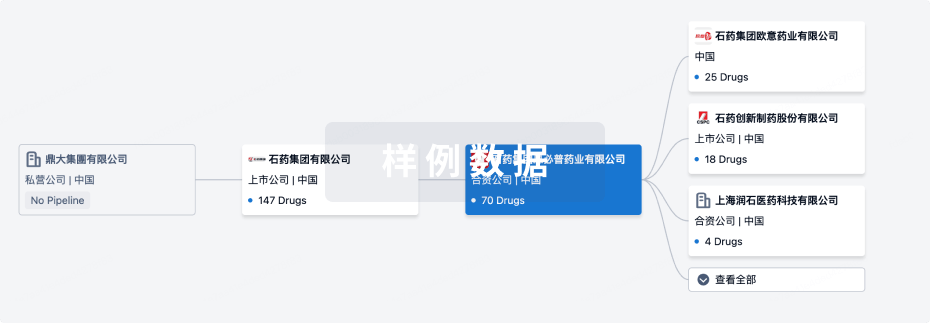
组织架构
使用我们的机构树数据加速您的研究。
登录
或
管线布局
2026年10月12日管线快照
管线布局中药物为当前组织机构及其子机构作为药物机构进行统计,早期临床1期并入临床1期,临床1/2期并入临床2期,临床2/3期并入临床3期
临床前
1
1
临床3期
批准上市
7
26
其他
登录后查看更多信息
当前项目
登录后查看更多信息
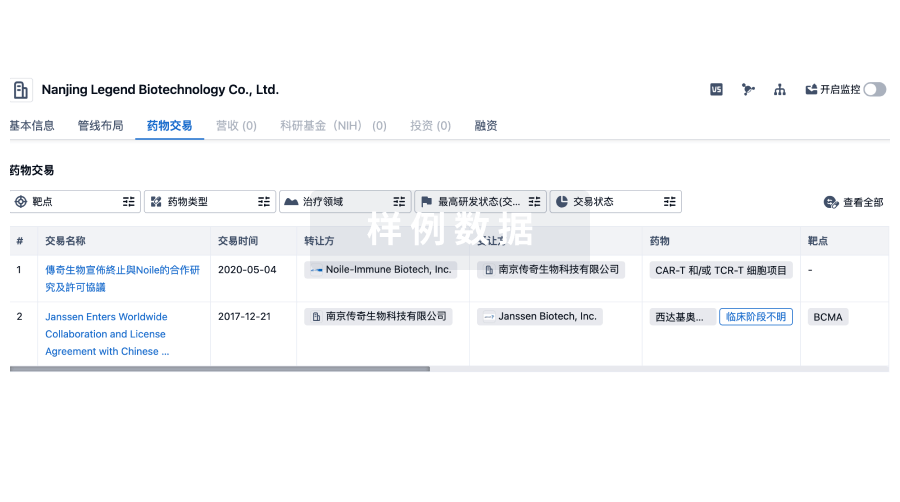
药物交易
使用我们的药物交易数据加速您的研究。
登录
或
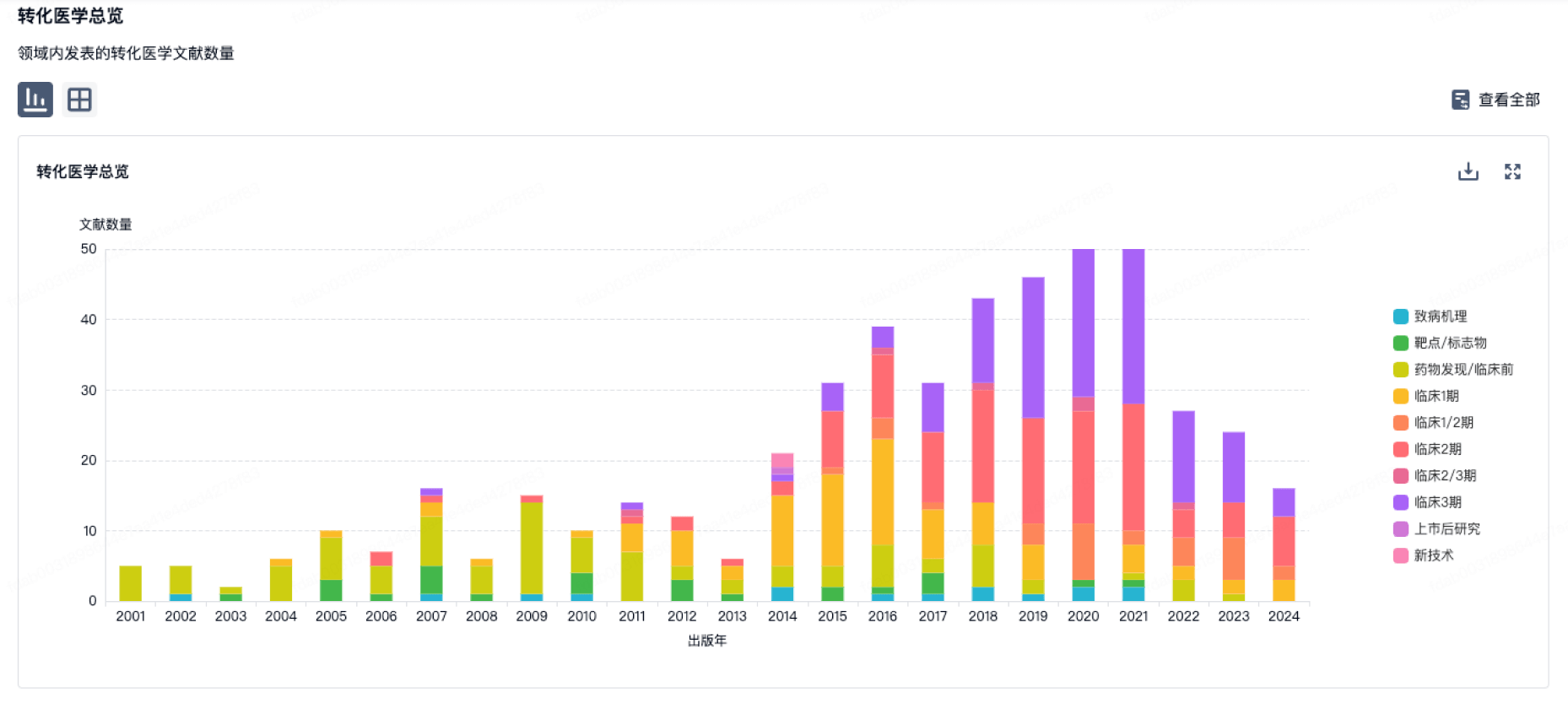
转化医学
使用我们的转化医学数据加速您的研究。
登录
或
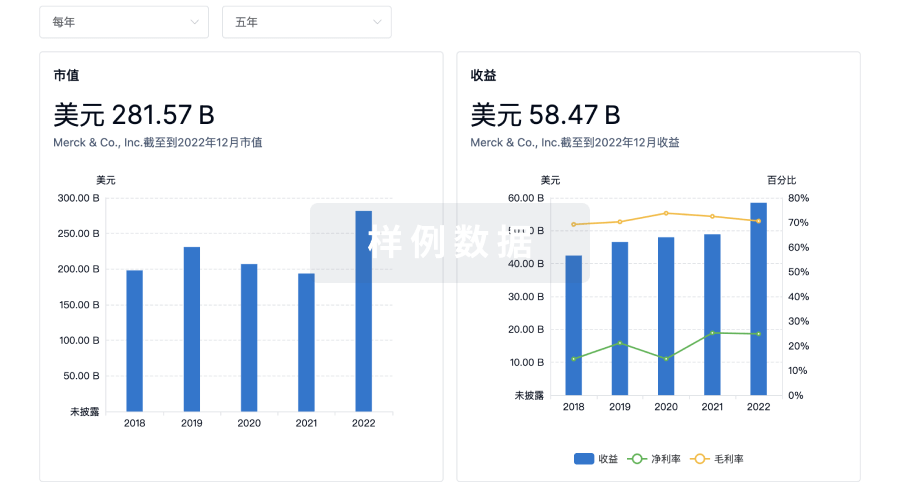
营收
使用 Synapse 探索超过 36 万个组织的财务状况。
登录
或
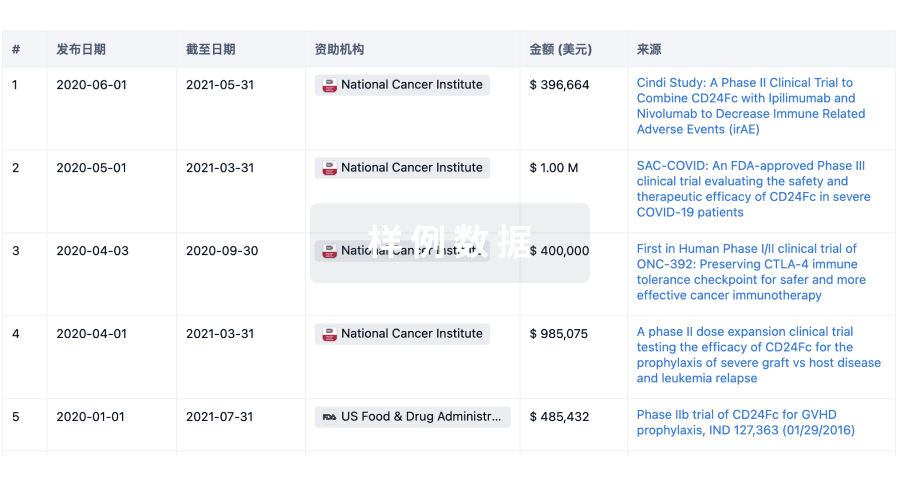
科研基金(NIH)
访问超过 200 万项资助和基金信息,以提升您的研究之旅。
登录
或
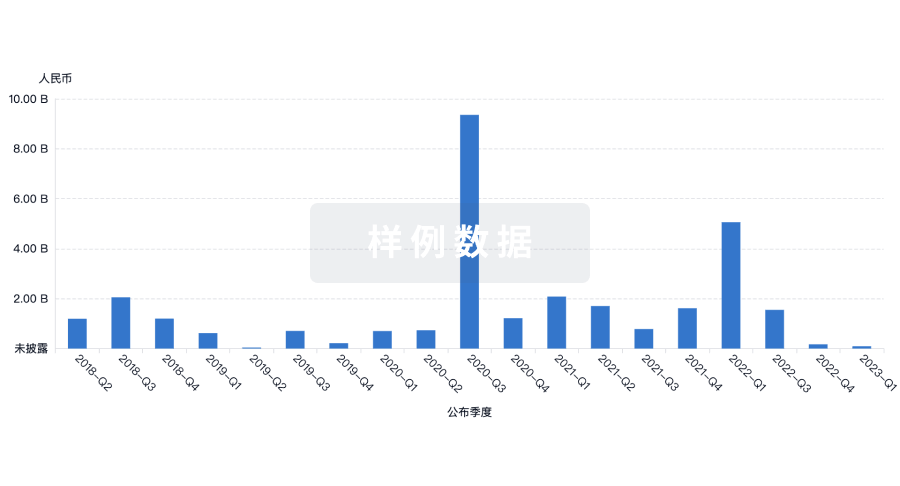
投资
深入了解从初创企业到成熟企业的最新公司投资动态。
登录
或
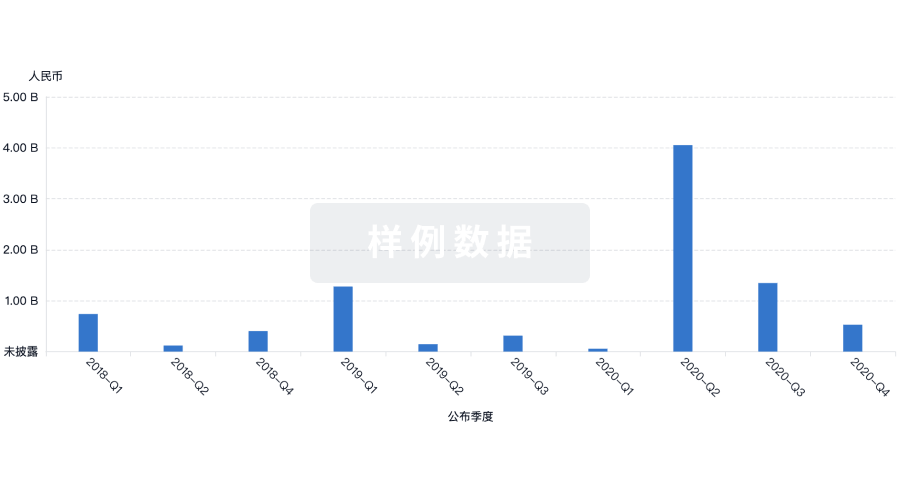
融资
发掘融资趋势以验证和推进您的投资机会。
登录
或
提出任何生物医药研究问题
让每一步生物医药决策都精准制胜
基于十亿级生物数据与全球情报的精准 AI,赋能早期药物发现
立即开始免费试用!
智慧芽新药情报库是智慧芽专为生命科学人士构建的基于AI的创新药情报平台,助您全方位提升您的研发与决策效率。
立即接入生物医药数据包
智慧芽新药库数据也通过智慧芽开放平台,以MCP或API服务形式对外开放。立即使用我们的MCP服务定制您的LLM智能体。
生物序列数据库
生物药研发创新
免费使用
化学结构数据库
小分子化药研发创新
免费使用