预约演示
更新于:2026-11-05

Huadong Medicine Co., Ltd.
更新于:2026-11-05
概览
标签
肿瘤
内分泌与代谢疾病
免疫系统疾病
小分子化药
ADC
蛋白水解靶向嵌合体(PROTAC)
疾病领域得分
一眼洞穿机构专注的疾病领域

技术平台
公司药物应用最多的技术
靶点
公司最常开发的靶点
关联
靶点 |
作用机制 |
在研机构 |
原研机构 |
在研适应症 |
非在研适应症 |
最高研发阶段 |
首次获批国家/地区 |
首次获批日期 |


靶点 |
作用机制 |
在研机构 |
原研机构 |
在研适应症 |
非在研适应症 |
最高研发阶段 |
首次获批国家/地区 |
首次获批日期 |


靶点 |
作用机制 |
在研机构 |
原研机构 |
在研适应症 |
非在研适应症 |
最高研发阶段 |
首次获批国家/地区 |
首次获批日期 |

CTR20263887
评价单次皮下注射JY54在健康参与者中的安全性、耐受性、药代动力学的单中心、随机、双盲、安慰剂对照的Ia期临床研究
NCT07848880
A Multicenter, Randomized, Double-Blind, Placebo-Controlled Phase 2 Trial to Evaluate the Efficacy and Safety of Multiple Doses of DR10624 in Subjects With Moderate Hypertriglyceridemia and Diabetic Kidney Disease

NCT07828197
A Pharmacokinetic Study of HDM1005 Injection at Different Injection Sites
100 项与 华东医药股份有限公司 相关的临床结果
登录后查看更多信息
登录后查看更多信息
2027-01-01INTERNATIONAL JOURNAL OF PHARMACEUTICS
Arginine regulates intermolecular interactions to stabilize lyophilized high-concentration omalizumab: dry-state characterizations and molecular dynamics insights into reconstitution and viscosity
Article
作者: Ouyang, Jun ; Lv, Jia-Yi ; Ye, Cheng-Han ; Hang, Tongyu ; Fang, Wei-Jie ; Sun, Ziqiao ; Li, Hongwen ; Gao, Han
High-concentration monoclonal antibody formulations (HCMFs) are widely adopted in modern biopharmaceuticals owing to their suitability for subcutaneous administration and superior patient compliance. Nevertheless, lyophilized HCMFs face major technical obstacles, including high solution viscosity, prolonged reconstitution duration, and excessive bubble formation, which impair manufacturability and impede clinical translation. While arginine serves as an effective viscosity-lowering excipient for concentrated protein solutions, its low intrinsic glass transition temperature (Tg') leads to lyophilization instability and cake collapse. These drawbacks limit its applicability in freeze-dried products. In this work, a binary excipient system consisting of trehalose and low-dose arginine was developed to overcome the above limitations. The high Tg' of trehalose synergistically offsets the low-Tg'-associated deficiencies of arginine within concentrated protein matrices, thereby maintaining favorable long-term physical and chemical stability of lyophilized omalizumab. Molecular dynamics simulations of reconstituted high-concentration omalizumab solutions further revealed the underlying viscosity-reduction mechanism. Arginine attenuates attractive protein-protein interactions, enlarges the colloidal radius (Rc) of antibody assemblies, promotes water infiltration into colloidal voids, and intensifies molecular Brownian motion, which fundamentally reduces solution viscosity and improves reconstitution performance. Overall, this study clarifies the incompatibility between arginine and lyophilized omalizumab and provides mechanistic guidance for the molecular modulation of viscosity in high-concentration monoclonal antibody formulations.
2026-07-03NATURAL PRODUCT RESEARCH
A new sesterterpenoid with
β
-glucuronidase inhibitory activity from the
Cordyceps
-colonising fungus
Aspergillus versicolour
ZJUTE2
Article
作者: Ni, Jiayue ; Tang, Jing ; Mao, Wei ; Zhang, Yun ; Xu, Sha ; Lin, Yuhao ; Tong, Cuiping ; Qiu, Yixian ; Ying, Youmin
A new sesterterpenoid versicolorin A (1) and five known compounds 2-6 were isolated from a Cordyceps-colonising fungus Aspergillus versicolour ZJUTE2 cultured on soybean meal. The planar structure of 1 was determined by 1D, 2D NMR and HR-ESI-MS. The stereochemistry of 1 was established by NOESY experiment, quantum chemical calculation of 13C NMR combined with DP4+ probability analysis, and comparison of the optical rotations. Compound 1 exhibited comparable in vitro β-glucuronidase inhibitory activity (IC50 = 49.82 ± 1.21 µM) with D-saccharicacid 1,4-lactone (IC50 = 57.35 ± 0.78 µM).
2026-06-01JOURNAL OF ETHNOPHARMACOLOGY
Acori tatarinowii Rhizoma-Curcumae Radix herbal pair ameliorates cognitive impairment and suppresses neuro-inflammation via Ca2+/CaMKKβ/AMPK/mTOR pathway in Alzheimer's disease
Article
作者: Liang, Jianing ; Xu, Xiao ; Song, Ruoxi ; Qi, Yu ; Zhu, Haoyun ; Hu, Yuhang ; Zhu, Haoru ; Wang, Dechang ; Cheng, Xinhui ; Shen, Liangye ; Wang, Xiangxiang ; Wang, Chunlai ; Wu, Dengyu
ETHNOPHARMACOLOGICAL RELEVANCE:
Effective activation of neuronal autophagy and clearance of amyloid-beta (Aβ) represents a promising therapeutic strategy in the treatment of Alzheimer's disease (AD). The Acori Tatarinowii Rhizoma-Curcumae Radix Herbal pair (ACHP), derived from the traditional Changpu Yujin Decoction, has a long history in Traditional Chinese Medicine for addressing conditions related to cognitive function. However, the precise mechanisms underlying its role in autophagic dysfunction-related dementia remain unclear.
AIM OF THE STUDY:
This study aims to investigate the neuroprotective effects of ACHP and the underlying mechanisms in AD.
MATERIALS AND METHODS:
Analysis of prototype constituents in drug-containing serum was performed using UHPLC-Triple-TOF/MS. The neuroprotective effects of ACHP were evaluated in APP/PS1 mice using behavioral tests, including the Y-maze and Morris water maze. Transcriptomic analysis was conducted to identify potential neuroprotective pathways activated by ACHP. Neuronal damage and structural recovery were assessed through HE and Nissl staining. In addition, the anti-inflammatory and autophagy-regulating effects of ACHP were further investigated in N2a/APP cells. The molecular mechanisms were further elucidated using Western blot, immunofluorescence, ELISA, and qRT-PCR in both in vivo and in vitro models.
RESULTS:
Twenty-five compounds in ACHP-treated mouse serum were identified. ACHP improved spatial learning and memory performance, increased intracellular Ca2+ levels and downregulated the expressions of proinflammatory cytokines, including TNF-α, IL-1β, and IL-6, while significantly promoting autophagy. ACHP increased CaMKKβ protein expression and activated the AMPK signaling pathway (elevated p-AMPK/AMPK ratio), as well as those of autophagy-related proteins, while improving neuronal morphology.
CONCLUSION:
These findings indicate that ACHP alleviates neuro-inflammatory damage and cognitive impairment potentially through modulation of the Ca2+/CaMKKβ-AMPK-mTOR signaling pathway involved in autophagy.
100 项与 华东医药股份有限公司 相关的药物交易
登录后查看更多信息
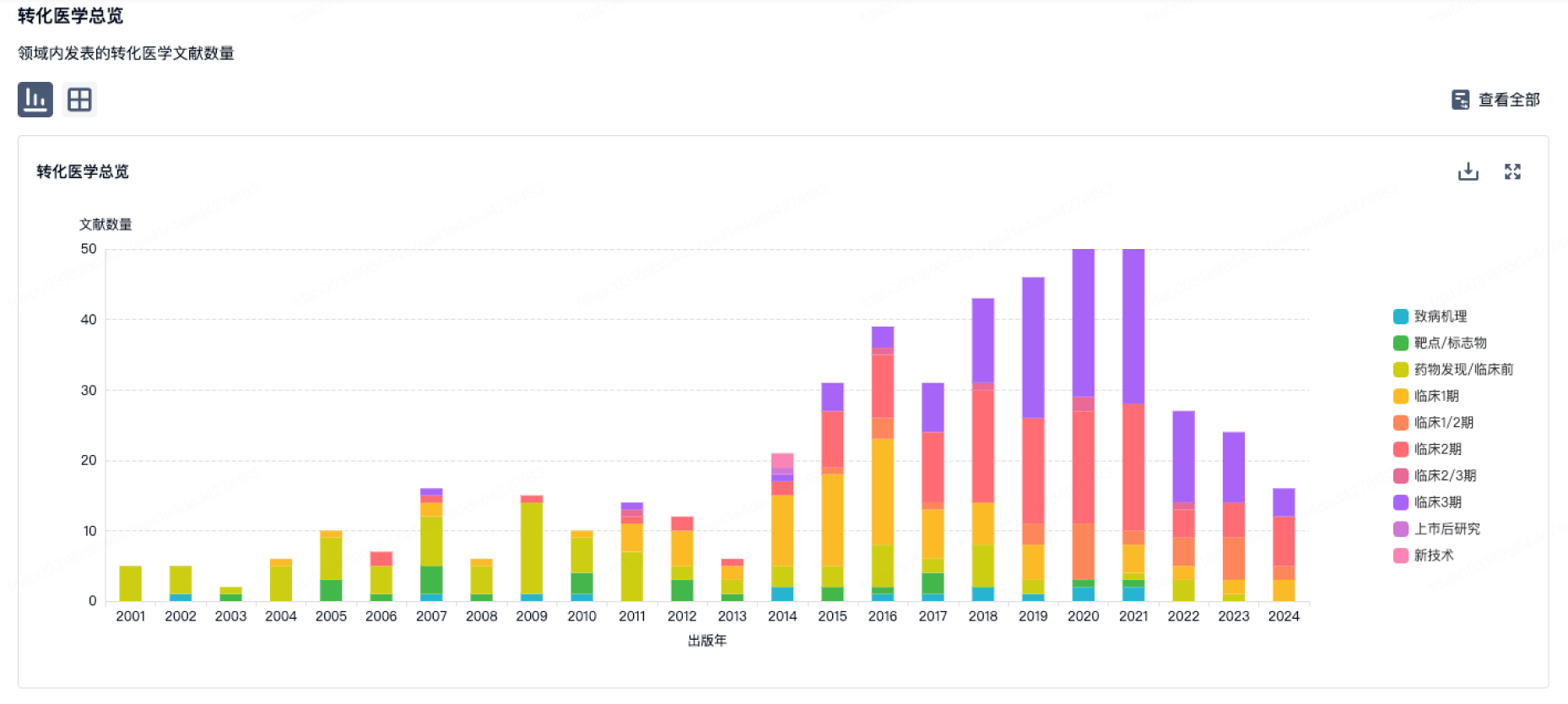
100 项与 华东医药股份有限公司 相关的转化医学
登录后查看更多信息
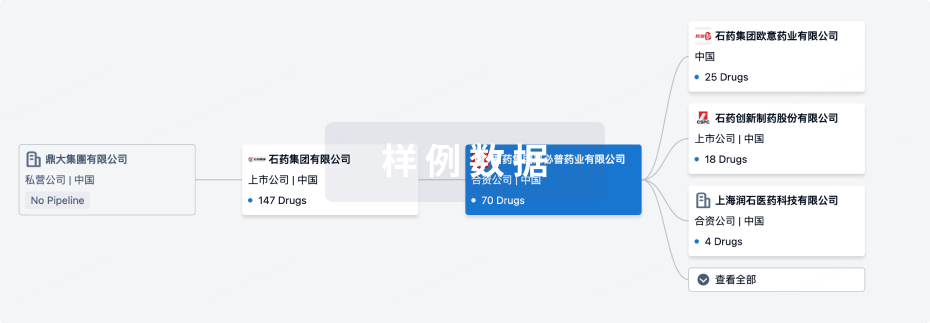
组织架构
使用我们的机构树数据加速您的研究。
登录
或
管线布局
2026年11月08日管线快照
管线布局中药物为当前组织机构及其子机构作为药物机构进行统计,早期临床1期并入临床1期,临床1/2期并入临床2期,临床2/3期并入临床3期
药物发现
18
40
临床前
临床申请
4
6
临床申请批准
临床1期
11
6
临床2期
临床3期
8
6
申请上市
批准上市
14
23
其他
登录后查看更多信息
当前项目
登录后查看更多信息
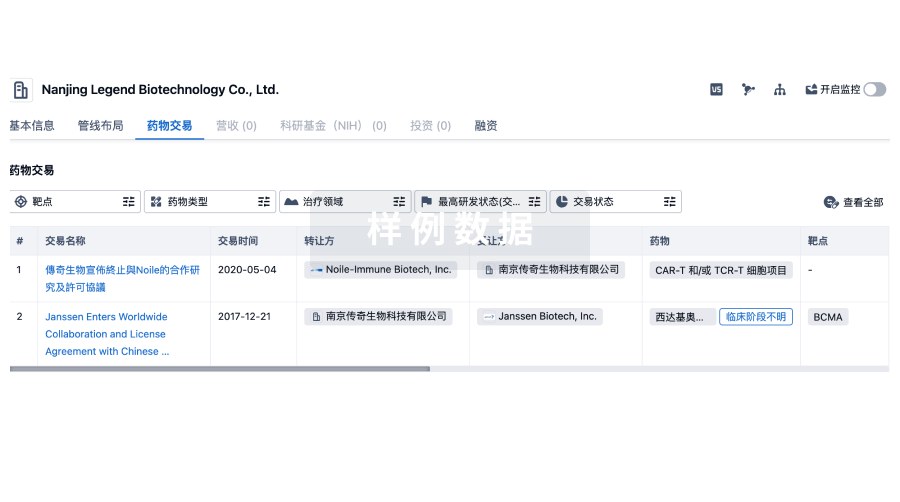
药物交易
使用我们的药物交易数据加速您的研究。
登录
或
转化医学
使用我们的转化医学数据加速您的研究。
登录
或
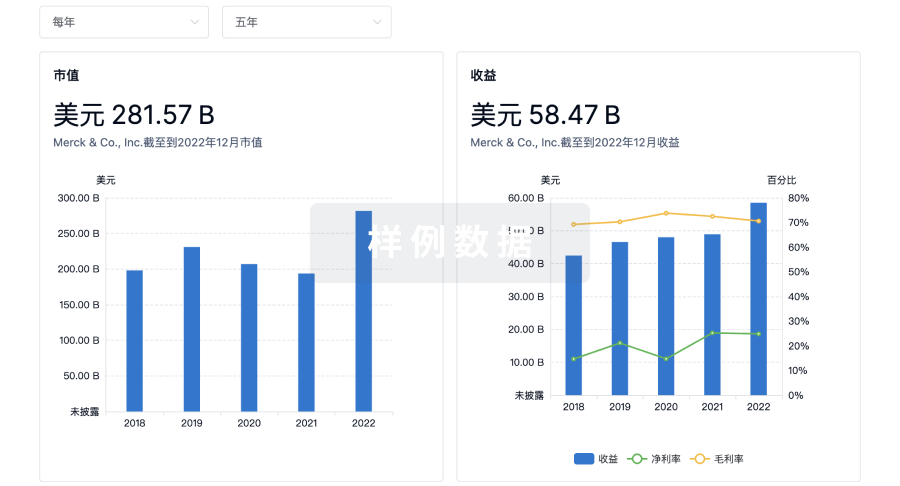
营收
使用 Synapse 探索超过 36 万个组织的财务状况。
登录
或
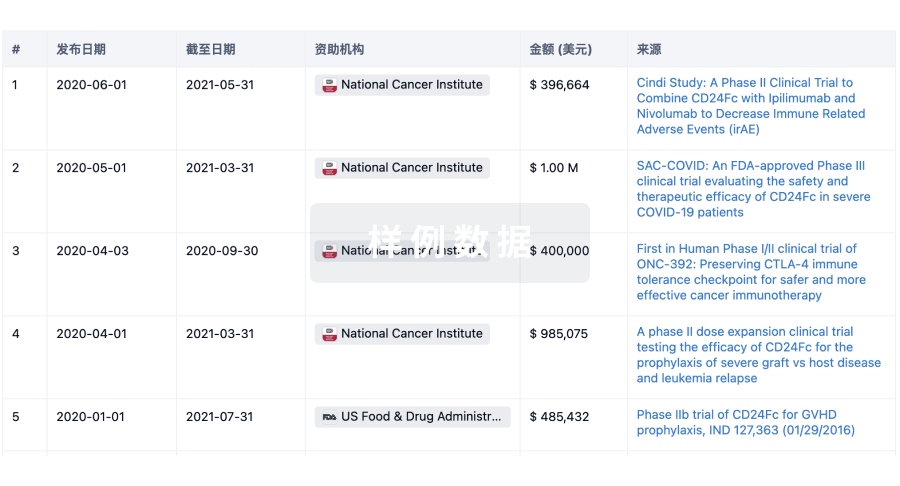
科研基金(NIH)
访问超过 200 万项资助和基金信息,以提升您的研究之旅。
登录
或
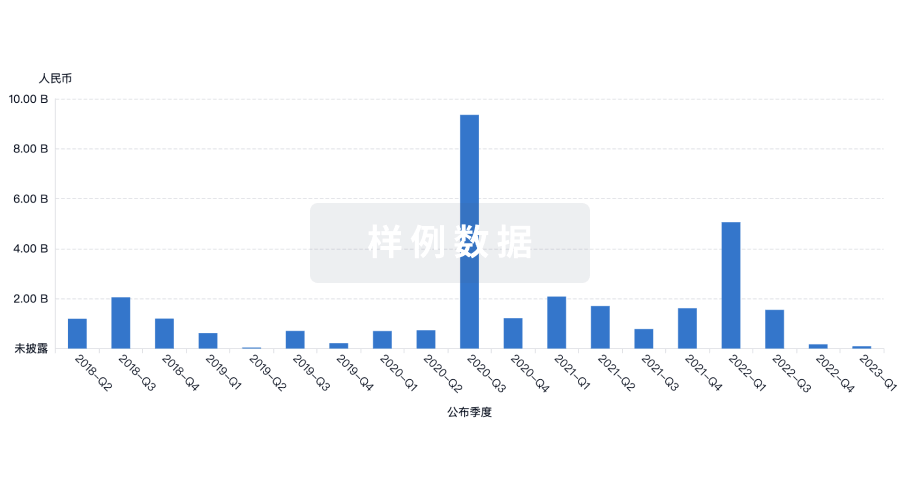
投资
深入了解从初创企业到成熟企业的最新公司投资动态。
登录
或
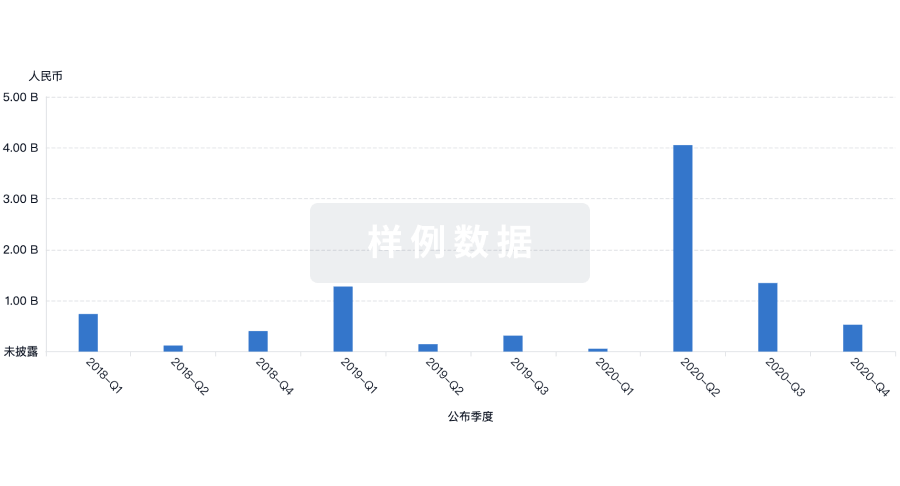
融资
发掘融资趋势以验证和推进您的投资机会。
登录
或
提出任何生物医药研究问题
让每一步生物医药决策都精准制胜
基于十亿级生物数据与全球情报的精准 AI,赋能早期药物发现
立即开始免费试用!
智慧芽新药情报库是智慧芽专为生命科学人士构建的基于AI的创新药情报平台,助您全方位提升您的研发与决策效率。
立即接入生物医药数据包
智慧芽新药库数据也通过智慧芽开放平台,以MCP或API服务形式对外开放。立即使用我们的MCP服务定制您的LLM智能体。
生物序列数据库
生物药研发创新
免费使用
化学结构数据库
小分子化药研发创新
免费使用