预约演示
更新于:2026-10-11

Bayer AG
更新于:2026-10-11
概览
标签
肿瘤
心血管疾病
泌尿生殖系统疾病
小分子化药
单克隆抗体
Fc融合蛋白
疾病领域得分
一眼洞穿机构专注的疾病领域

技术平台
公司药物应用最多的技术
靶点
公司最常开发的靶点
关联
靶点 |
作用机制 |
在研机构 |
原研机构 |
在研适应症 |
非在研适应症 |
最高研发阶段 |
首次获批国家/地区 |
首次获批日期 |

靶点 |
作用机制 |
在研机构 |
原研机构 |
在研适应症 |
非在研适应症 |
最高研发阶段 |
首次获批国家/地区 |
首次获批日期 |

靶点 |
作用机制 |
在研机构 |
原研机构 |
在研适应症 |
非在研适应症 |
最高研发阶段 |
首次获批国家/地区 |
首次获批日期 |
NCT05900388
Xarelto Paediatric VTE PASS Drug Utilization Study: An Observational, Longitudinal, Multi-source Drug Utilization Safety Study to Evaluate the Drug Use Patterns and Safety of Rivaroxaban Oral Suspension in Children Under Two Years With Venous Thromboembolism
NCT07566429
A Phase 2, Open-label, Single Group, Fixed-dose Study to Evaluate the Safety and Efficacy of a Single Bilateral Intraputaminal Administration of AB-1005 (AAV2-GDNF Gene Therapy) in Japanese Participants With Moderate Stage Parkinson's Disease
NCT07431294
A Randomized, Placebo-controlled, Single Blind Drug-drug Interaction Study to Investigate the Influence of 0.4 mg Nitroglycerin Spray on the Safety, Tolerability and Pharmacodynamic Effects of Nurandociguat in Participants With Stable Coronary Artery Disease.
100 项与 Bayer AG 相关的临床结果
登录后查看更多信息
登录后查看更多信息
2026-10-01INTERNATIONAL JOURNAL OF CARDIOLOGY
Rate of incident polyneuropathy in patients with transthyretin amyloid cardiomyopathy
Article
作者: Ohlmeier, Christoph ; Meems, Laura M G ; Evers, Thomas ; Milani, Paolo ; de Sanmamed Girón, Miguel Fernandez ; Cipriani, Alberto ; Obermüller, Dominik ; Ciaccia, Antonio ; Coleman, Craig I ; Azevedo, Olga ; Häckl, Dennis ; Vivirito, Annika
BACKGROUND:
In patients with transthyretin amyloid cardiomyopathy (ATTR-CM), amyloid can be deposited in the peripheral nerves, causing polyneuropathy (PN). We evaluated the rate of incident PN diagnosis among ATTR-CM patients.
METHODS:
This study utilized German claims data from January 2016-December 2023. We included adults newly diagnosed with ATTR-CM without a prior history of PN based upon International Classification of Diseases-Tenth Revision-German Modification (ICD-10-GM) diagnosis codes and coding for diagnostic testing. We identified incident PN using both a narrow (ATTR-PN-related) and broad (also including non-ATTR-specific polyneuropathies) set of ICD-10-GM codes. Incidence rates/100 person-years (PYs) with 95% confidence intervals (CIs) were calculated.
RESULTS:
We identified 309 newly diagnosed patients with ATTR-CM free of PN. During a median follow-up of 430 days (Q1 = 175, Q3 = 936) the rate of broadly defined incident PN was 10.8 cases/100PYs (7.9-14.3), declining to 2.4 cases/100PYs (1.2-4.1) when the narrow ATTR-related PN definition was used.
CONCLUSIONS:
In German routine care, the incidence of ATTR-related PN in patients with ATTR-CM was 2.4/100PYs, rising to 10.8/100PYs under a broad symptom-based definition. Although ATTR-related PN was infrequently identified in ATTR-CM, PN and ATTR-CM may coincide.
2026-10-01EUROPEAN JOURNAL OF CANCER
Evaluating safety: Number needed to harm analyses of androgen receptor inhibitors in advanced prostate cancer
Article
作者: George, Daniel J ; Yip, Yen Yen ; McManus, Hannah D ; Saad, Fred ; Fizazi, Karim ; Srinivasan, Shankar ; Upton, Alexander ; Duflot, Maxime ; Morgans, Alicia K
INTRODUCTION:
Androgen receptor inhibitors (ARIs) are standard of care in prostate cancer. Patient-centered treatment goals include optimizing efficacy, safety, tolerability, and quality of life, and prolonging time to treatment change. Number needed to harm (NNH) analyses can help contextualize adverse event (AE) risk and support treatment decisions. This exploratory study assessed NNH for AEs of interest with ARIs in nonmetastatic castration-resistant prostate cancer (nmCRPC) and metastatic hormone-sensitive prostate cancer (mHSPC).
METHODS:
NNH was calculated using AE data from pivotal trials comparing ARIs plus androgen deprivation therapy (ADT) versus ADT and derived using the reciprocal of the absolute risk increase, then compared between ARIs.
RESULTS:
In nmCRPC, darolutamide had a higher NNH (lower risk) than apalutamide and enzalutamide for the all-grade AEs hot flash (100.0/not reported [NR])/20.0), fatigue (29.4/10.8/5.3), arthralgia (negative [NEG]/11.9/100.0), cognitive impairment (≥ 250/47.6/33.3), hypertension (71.4/20.0/14.3), and falls (NEG/15.2/14.3) in the primary analysis, a trend generally maintained in the final analysis. A similar trend was reported for most grade ≥ 3 AEs. In mHSPC, darolutamide also had a higher NNH for most all-grade/grade ≥ 3 AEs. Exceptions included all-grade constipation (higher NNH for apalutamide and enzalutamide) and anemia (higher NNH for apalutamide). NNH comparisons across trials should be interpreted cautiously because of heterogeneity in trial designs and study populations.
DISCUSSION:
Similar NNH trends observed in nmCRPC and mHSPC patient populations suggest a lower risk of incremental harm for most AEs with darolutamide versus apalutamide and enzalutamide. Understanding ARI risk profiles is key to optimizing treatment selection and improving tolerability in patients.
2026-10-01European Journal of Nuclear Medicine and Molecular Imaging
Real-world use of PSMA imaging in metastatic castration-sensitive prostate cancer: Findings from the CAPRI-3 registry
Article
作者: Kuppen, M C P ; Lavalaye, J ; Bergman, A M ; Tascilar, M ; Somford, D M ; van der Doelen, M J ; van der Velden, K J M ; Vassilev, Z ; van Moorselaar, R J A ; van Oort, I M ; van den Bergh, A C M ; Bosch, D ; Groot, C A Uyl-de ; Raval, A ; van den Eertwegh, A J M
Abstract:
Purpose:
Since 2019, EAU guidelines recommend PSMA-PET/CT for staging high-risk prostate cancer. However, real-world data on its uptake and association with disease characteristics and outcomes in metastatic castration-sensitive prostate cancer (mCSPC) remains limited. We evaluated real-world PSMA-PET/CT use versus conventional imaging (CI).
Methods:
This retrospective study included 3,644 mCSPC patients (2016–2021) from 19 hospitals in the Dutch CAPRI-3 registry. Staging within 90 days of diagnosis was classified as CI-only (CT, bone scintigraphy, and/or MRI) or PSMA-PET (± CI).
Results:
Most patients were staged with CI-only (63%), but PSMA-PET use rose from 8% in 2016 to 62% in 2021. PSMA-PET-staged patients were younger (72 vs. 76 years) and had significantly lower tumour burden (27% vs. 45% high-volume), more nodal-only disease, and were more likely to have metachronous presentation (29% vs. 22%, all
P
< 0.001). In the PSMA-PET group, 42% received ADT plus targeted therapy and 23% ADT monotherapy (vs. 45% ADT monotherapy in CI-only). Median overall survival was significantly longer in the PSMA-PET cohort (78.3 vs. 40.0 months).
Conclusion:
There has been an increasing trend toward the use of PSMA PET/CT for staging mCSPC in recent years, identifying a population with more favourable disease characteristics and a more favourable prognosis. This shift in patient characteristics, driven by stage migration (the Will Rogers phenomenon), influences clinical management by enabling more refined patient selection for conservative or targeted therapies. Consequently, accounting for lead-time and selection bias is essential when comparing survival outcomes in the PSMA PET/CT era.
100 项与 Bayer AG 相关的药物交易
登录后查看更多信息
100 项与 Bayer AG 相关的转化医学
登录后查看更多信息
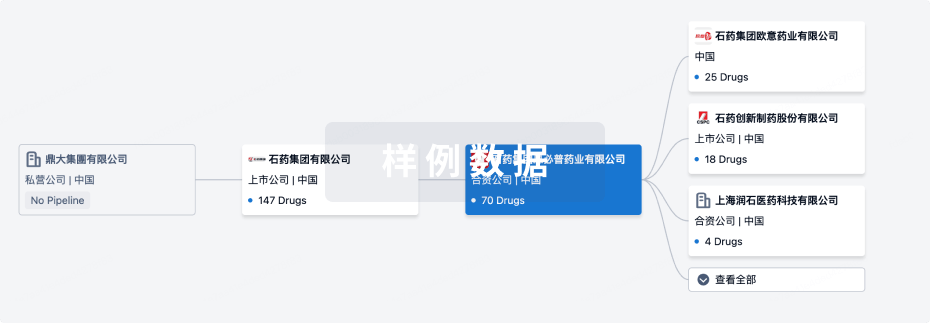
组织架构
使用我们的机构树数据加速您的研究。
登录
或
管线布局
2026年10月15日管线快照
管线布局中药物为当前组织机构及其子机构作为药物机构进行统计,早期临床1期并入临床1期,临床1/2期并入临床2期,临床2/3期并入临床3期
药物发现
21
84
临床前
临床1期
39
21
临床2期
临床3期
7
2
申请上市
批准上市
92
465
其他
登录后查看更多信息
当前项目
登录后查看更多信息
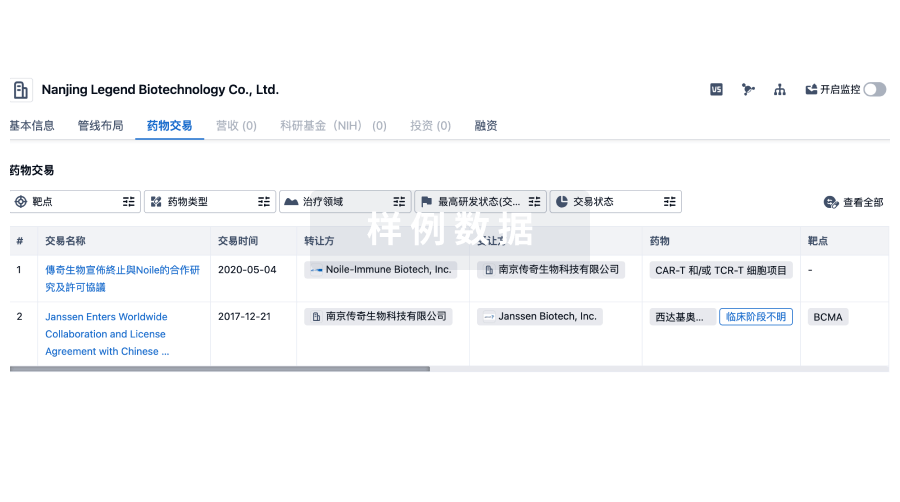
药物交易
使用我们的药物交易数据加速您的研究。
登录
或
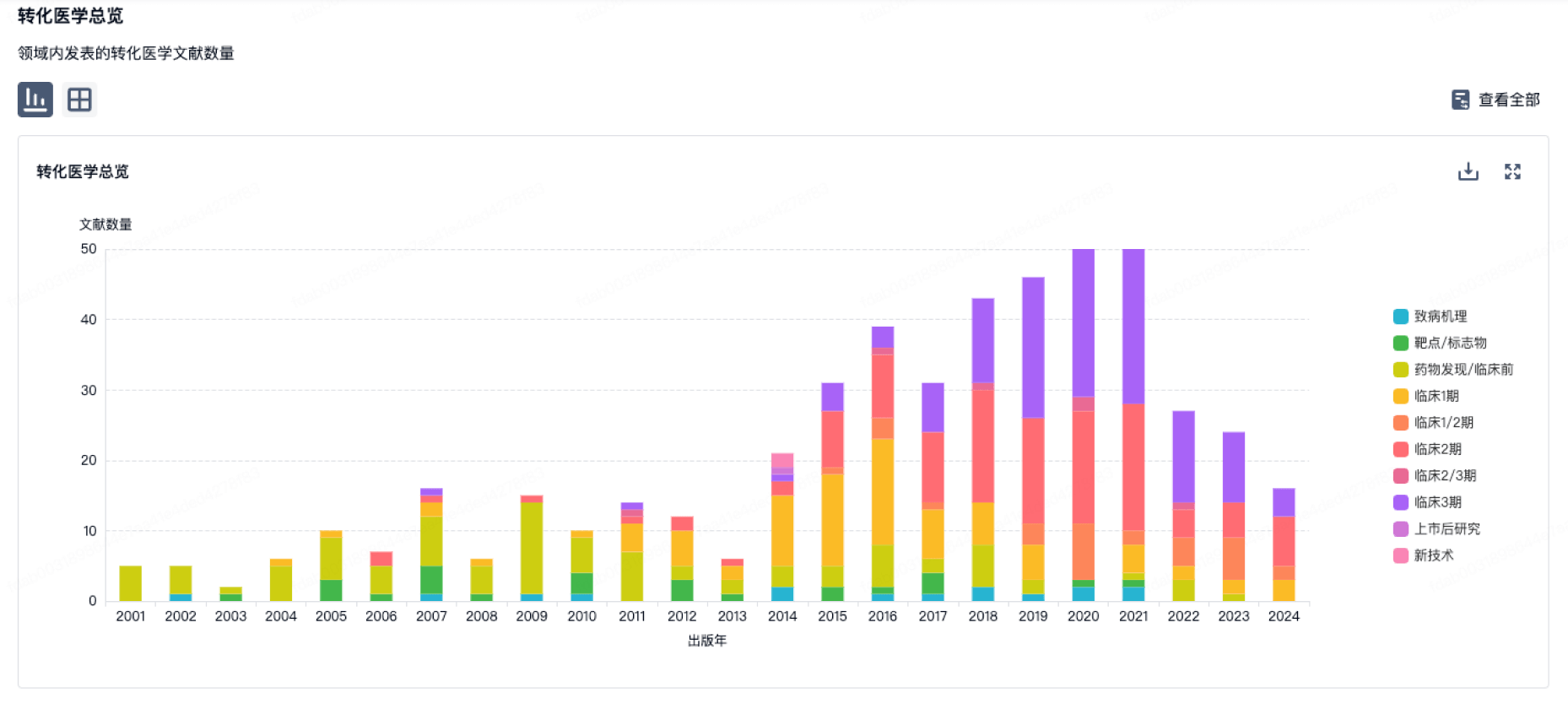
转化医学
使用我们的转化医学数据加速您的研究。
登录
或
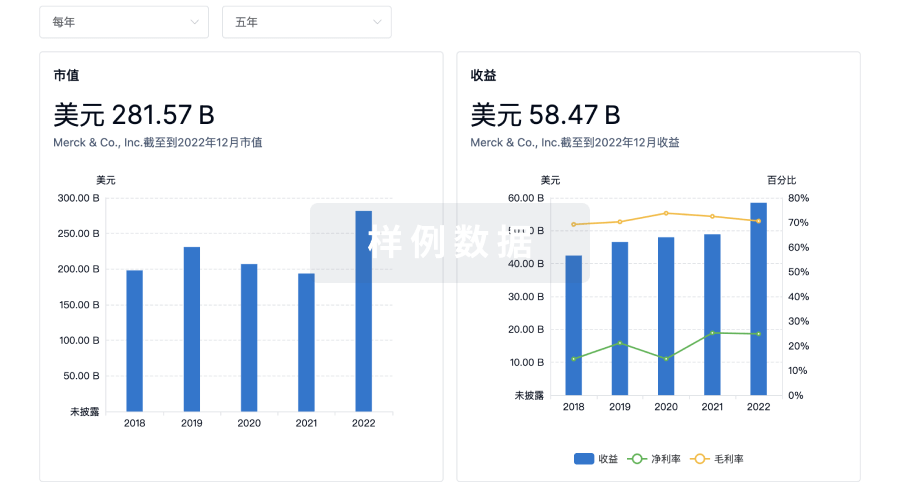
营收
使用 Synapse 探索超过 36 万个组织的财务状况。
登录
或
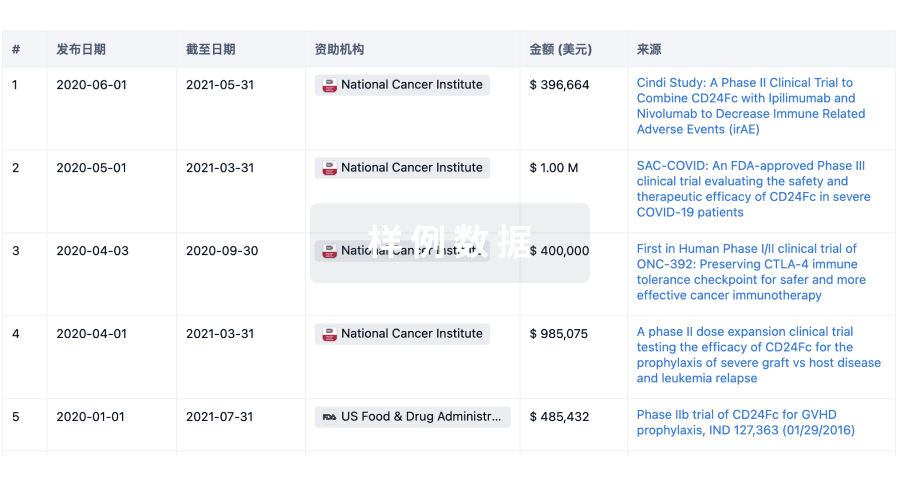
科研基金(NIH)
访问超过 200 万项资助和基金信息,以提升您的研究之旅。
登录
或
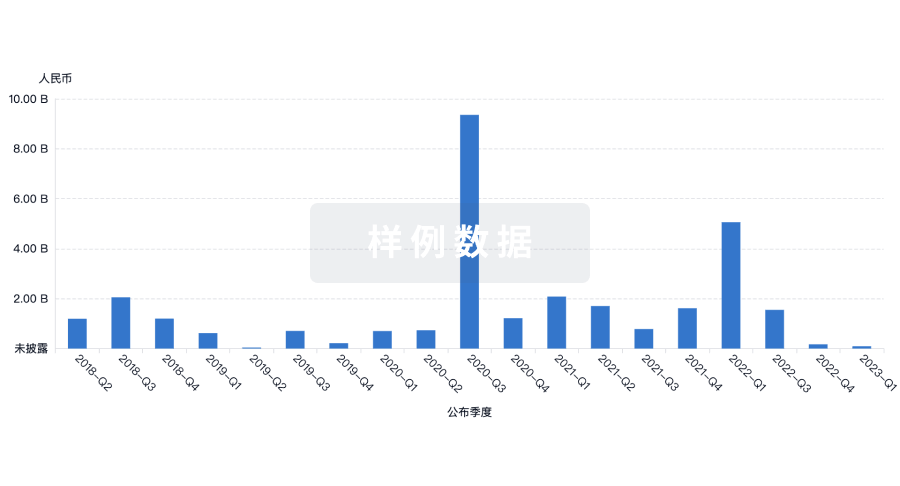
投资
深入了解从初创企业到成熟企业的最新公司投资动态。
登录
或
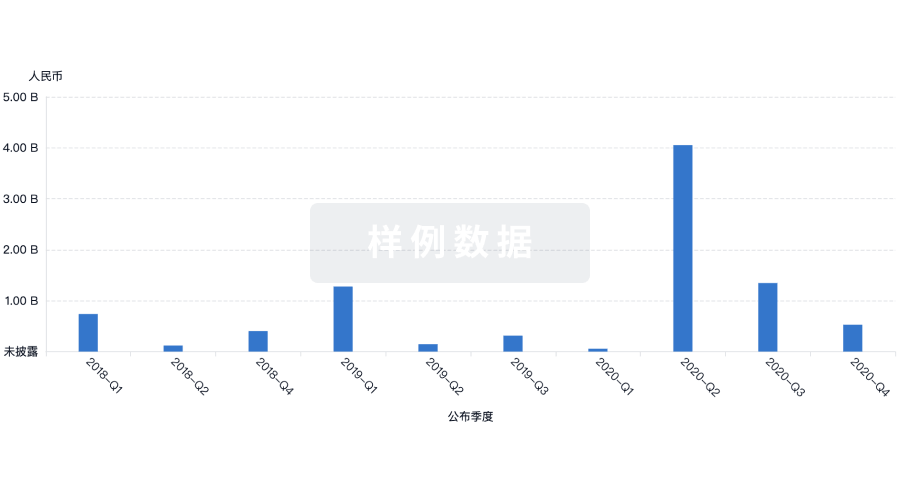
融资
发掘融资趋势以验证和推进您的投资机会。
登录
或
提出任何生物医药研究问题
让每一步生物医药决策都精准制胜
基于十亿级生物数据与全球情报的精准 AI,赋能早期药物发现
立即开始免费试用!
智慧芽新药情报库是智慧芽专为生命科学人士构建的基于AI的创新药情报平台,助您全方位提升您的研发与决策效率。
立即接入生物医药数据包
智慧芽新药库数据也通过智慧芽开放平台,以MCP或API服务形式对外开放。立即使用我们的MCP服务定制您的LLM智能体。
生物序列数据库
生物药研发创新
免费使用
化学结构数据库
小分子化药研发创新
免费使用