预约演示
更新于:2026-11-04

Qilu Pharmaceutical Co., Ltd.
更新于:2026-11-04
概览
标签
肿瘤
消化系统疾病
其他疾病
生物类似药
小分子化药
单克隆抗体
疾病领域得分
一眼洞穿机构专注的疾病领域

技术平台
公司药物应用最多的技术
靶点
公司最常开发的靶点
关联
靶点 |
作用机制 |
在研机构 |
原研机构 |
在研适应症 |
非在研适应症 |
最高研发阶段 |
首次获批国家/地区 |
首次获批日期 |

靶点 |
作用机制 |
在研机构 |
原研机构 |
在研适应症 |
非在研适应症 |
最高研发阶段 |
首次获批国家/地区 |
首次获批日期 |
靶点 |
作用机制 |
在研机构 |
原研机构 |
在研适应症 |
非在研适应症 |
最高研发阶段 |
首次获批国家/地区 |
首次获批日期 |

NCT07620366
A Multicenter, Randomized, Double-blind, Placebo- Parallel Controlled, Phase II Clinical Study to Evaluate the Efficacy and Safety of QL2401 in Patients With Metabolic Dysfunction-associated Steatohepatitis (MASH) and Liver Fibrosis
NCT07829588
A Randomized, Double-Blind, Parallel-Controlled, Multicenter Phase I Study to Evaluate the Pharmacokinetic Similarity Between QL1203 (Vectibix® Biosimilar Candidate) and Panitumumab (EU-Vectibix®) in Combination With mFOLFOX6 Respectively in Patients With RAS Wild-Type Metastatic Colorectal Cancer
NCT07829952
Efficacy and Safety of Romiplostim N01 for Injection in Promoting Platelet Reconstitution After Allogeneic Hematopoietic Stem Cell Transplantation: A Prospective, Single-Center, Randomized Controlled Clinical Study
100 项与 齐鲁制药有限公司 相关的临床结果
登录后查看更多信息
登录后查看更多信息
2027-01-01COLLOIDS AND SURFACES B-BIOINTERFACES
Dopamine-assisted macroporous collagen nanocomposite hydrogel dressing with antibacterial activity for bacteria-infected cutaneous wound healing
Article
作者: Zhang, Yuxuan ; Duan, Guangxin ; Zhang, Feng ; Lu, Wenting ; Wan, Kaichen ; Shi, Peiwen ; Zeng, Yixuan ; Shi, Jiabo
Bacteria-infected wounds impose a huge health burden on both patients and society. Multifunctional biomass-based hydrogels have attracted considerable research interest as wound dressing materials. However, the fabrication and applications of these hydrogels face challenges due to their poor injectability and limited adhesiveness and antibacterial property. Here, we proposed an effective approach to create hierarchical type I collagen nanocomposite hydrogels exhibiting good anti-oxidation, antibacterial activity, cytocompatibility, and anti-inflammatory properties through combination of Mannich-type reaction and reinforcement of polydopamine-functionalized Laponite clay nanoplatelets to the collagen networks. The results indicated that the clay nanoplatelets were surface-functionalized with polydopamine to serve as biocompatible inorganic crosslinkers to reinforce the collagen networks. Owing to the presence of imine bonds, hydrogen bonds, and electrostatic attractions between the collagen and the clay nanoplatelets, the microstructures of collagen were stabilized. The resultant hierarchical hydrogels demonstrated huge potential in accelerating S. aureus-infected cutaneous wound healing through eradicating the bacteria and eliminating the inflammation of bacteria-infected wounds, resulting in complete wound recovery with 8 days' treatment. We envision that these findings can offer a feasible pathway for rational design and preparation of multifunctional hydrogels that hold great potential for the applications of wound healing.
2026-08-21ACS Chemical Biology
Tau-Targeted
PROTACs Degrade Pathology-Associated
Tau and Improve Memory in Alzheimer’s Disease Models
Article
作者: Zhang, Zhi-Jun ; Wang, Hao-Sen ; Duan, Xin-Rong ; Zhao, Tian ; Li, Liang ; Lim, Yeh-Jun ; Wang, Tian-Yang ; Li, Yan-Mei
Abstract:
Tau aggregation and hyperphosphorylation are key pathological features of Alzheimer’s disease (AD). Because Tau is intrinsically disordered, conventional small-molecule inhibitors have achieved limited success. Proteolysis-targeting chimeras (PROTACs) enable the targeted proteasomal degradation of previously considered undruggable proteins. We designed Tau-targeted PROTAC candidates using methylene blue (MB) as a recognition moiety for aggregation-prone motifs within the microtubule-binding region and varied the linker lengths and E3 ligase recruitment ligands to optimize degradation efficiency. Cell-based screening revealed that MB-2-VHL1 and MB-2-VHL2 are active degraders. In vivo studies confirmed a reduction in total Tau levels and degradation of phosphorylated Tau (p-Tau). In 3xTg-AD mice, subcutaneous administration of MB-2-VHL2 was associated with reduced hippocampal Tau and p-Tau levels and improved recognition memory and spatial learning. MB-2-VHL2 was also detectable in both serum and brain tissue by LC–MS/MS after subcutaneous administration and did not cause detectable histological or biochemical toxicity. These results indicate that MB-2-VHL2 can reduce both total Tau and p-Tau levels in vivo. Although the reduction in p-Tau appeared more pronounced under our experimental conditions, whether MB-2-VHL2 preferentially targets pathological Tau remains to be determined. Overall, these findings support further optimization and preclinical evaluation of Tau-targeted PROTACs as a potential therapeutic strategy for AD.
2026-08-01JOURNAL OF PHARMACEUTICAL SCIENCES
Divergent host cell protein profiles during special purification of biologics from prokaryotic versus eukaryotic systems dictate the need for tailored ELISA assay development
Article
作者: Liu, Chuanlei ; Li, Daoyuan ; Hu, Xi ; An, Zhenming ; Zhou, Zuxia ; Zhang, Feng ; Zou, Bing ; Ye, Hongyan ; Wang, Qingmin ; Yu, Yue ; Zhang, Ran ; Yin, Zhenhao
Therapeutic antibodies are expressed via host systems, such as Chinese hamster ovary (CHO) cells and Escherichia coli (strain B / BL21-DE3, E.coli BL21), followed by purification to remove host cell proteins (HCPs), thereby averting risks including immunogenicity, antibody degradation, and protein aggregation. During regulatory filing, drug-specific HCP ELISA kits custom-developed using null-transfected harvest cell culture fluid (HCCF) are typically required to ensure accurate HCP quantification. In a case involving an E.coli-expressed antibody, initial HCP ELISA kits derived solely from HCCF significantly underestimated HCP levels in the purification intermediate (cation-exchange chromatography fraction, CEX1). Supplementing anti-CEX1 HCP antibodies significantly improved detection capability. Subsequent high-resolution mass spectrometry (HRMS) characterization revealed substantial shifts in HCP composition and abundance between HCCF and CEX1. Conversely, for CHO cell-derived antibodies (eukaryotic system), no significant alteration in HCP profiles was observed between HCCF and the analogous purification intermediate. This divergence provides critical insights for optimizing HCP analytical strategies of special purification antibody therapeutics.
100 项与 齐鲁制药有限公司 相关的药物交易
登录后查看更多信息
100 项与 齐鲁制药有限公司 相关的转化医学
登录后查看更多信息
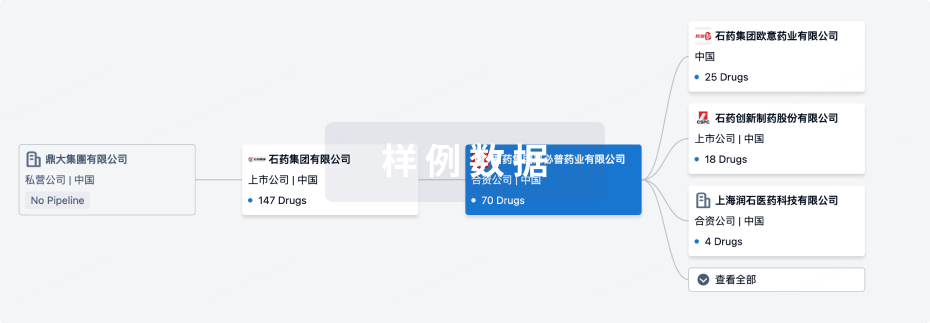
组织架构
使用我们的机构树数据加速您的研究。
登录
或
管线布局
2026年11月08日管线快照
管线布局中药物为当前组织机构及其子机构作为药物机构进行统计,早期临床1期并入临床1期,临床1/2期并入临床2期,临床2/3期并入临床3期
药物发现
3
19
临床前
临床申请
1
11
临床申请批准
临床1期
23
20
临床2期
临床3期
18
2
申请上市
批准上市
26
25
其他
登录后查看更多信息
当前项目
登录后查看更多信息
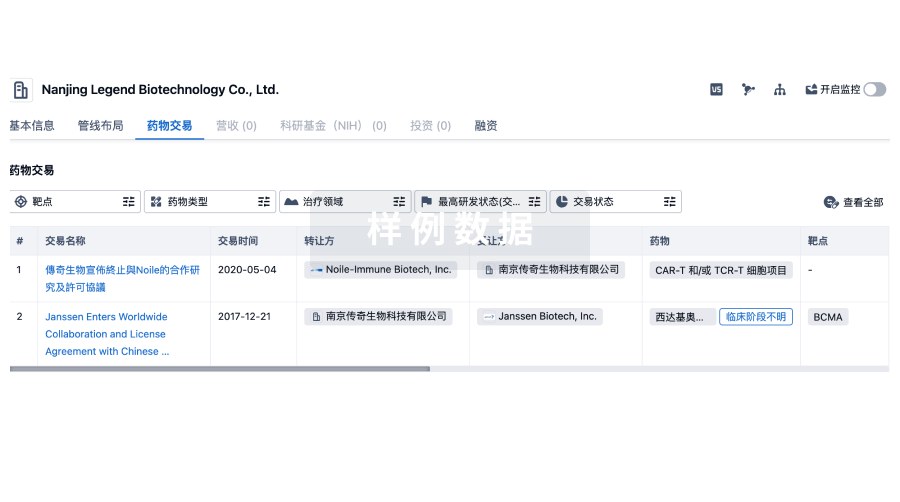
药物交易
使用我们的药物交易数据加速您的研究。
登录
或
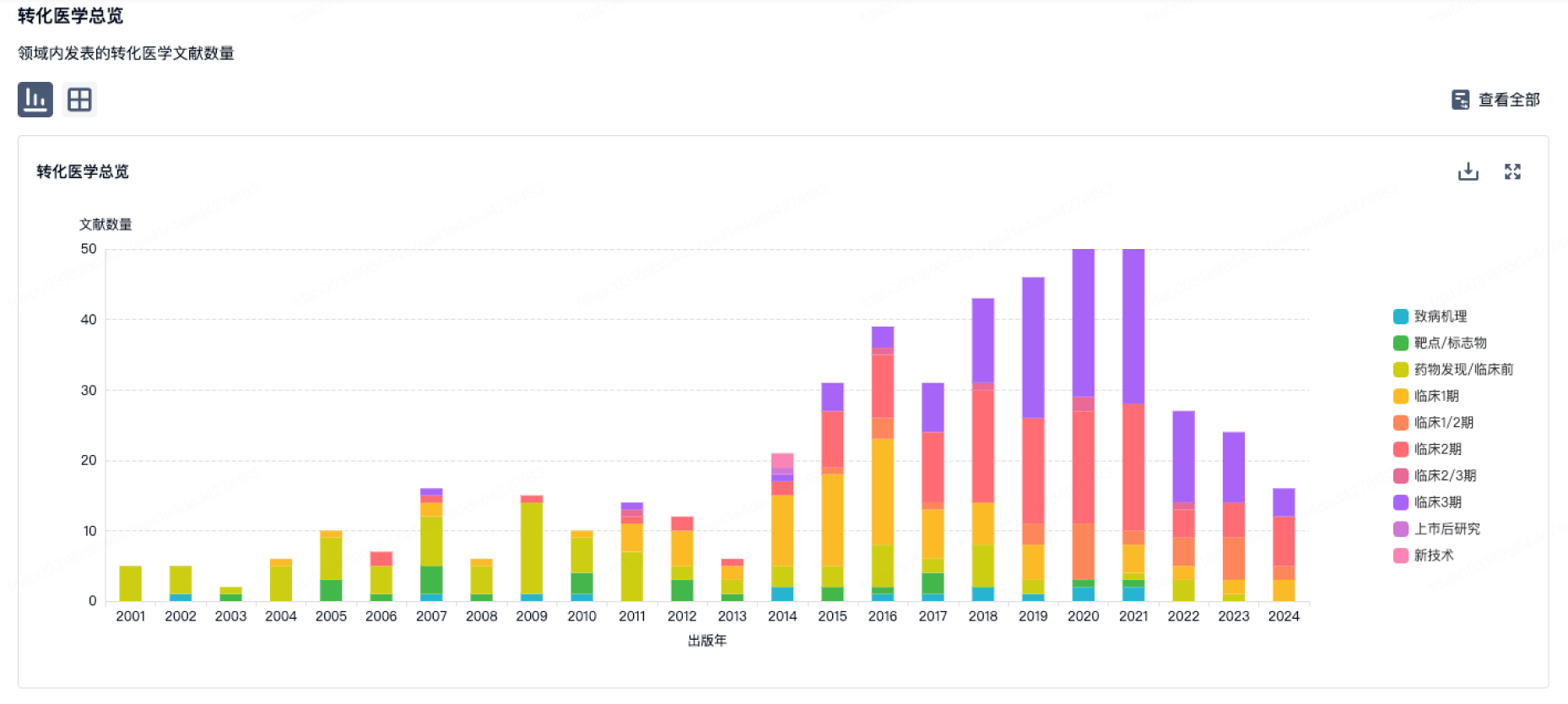
转化医学
使用我们的转化医学数据加速您的研究。
登录
或
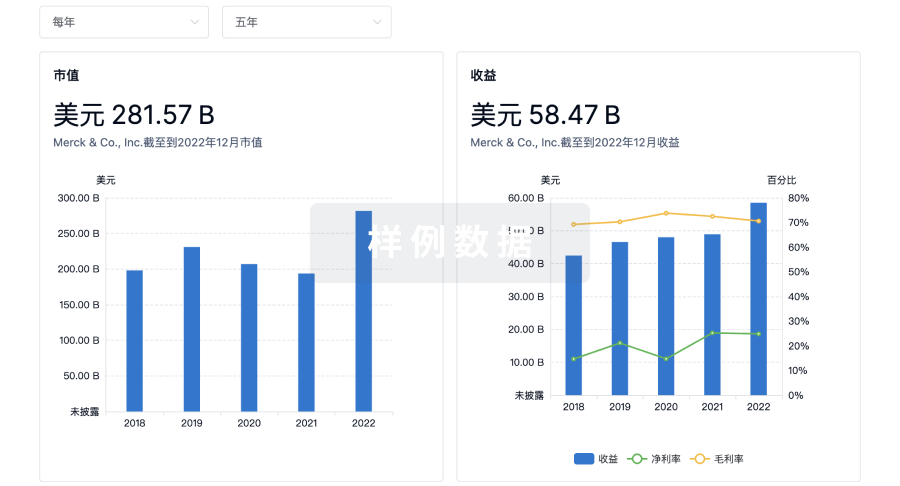
营收
使用 Synapse 探索超过 36 万个组织的财务状况。
登录
或
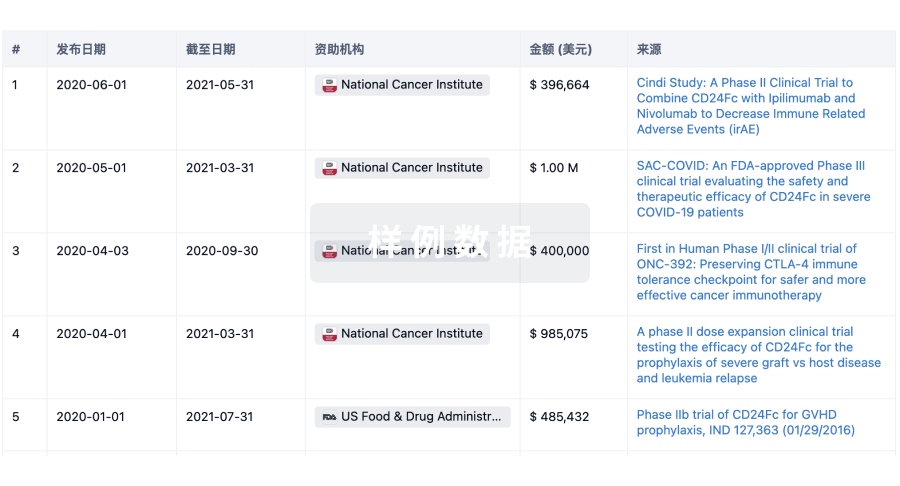
科研基金(NIH)
访问超过 200 万项资助和基金信息,以提升您的研究之旅。
登录
或
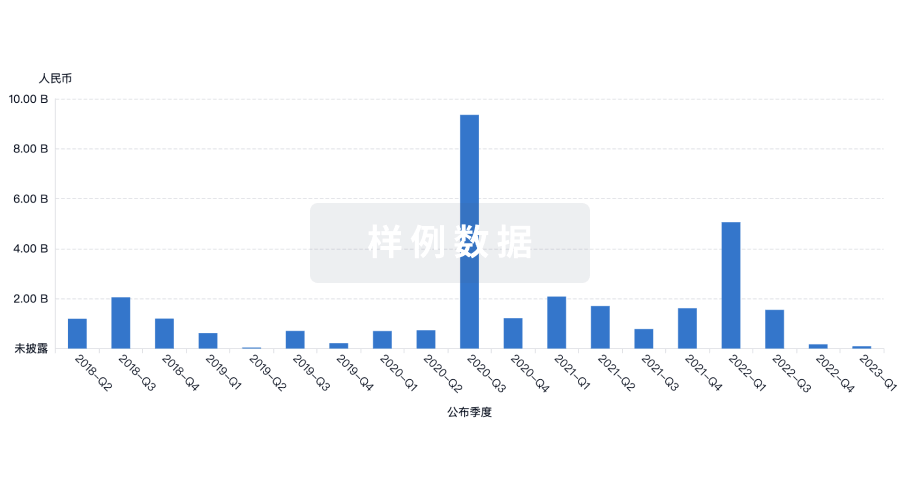
投资
深入了解从初创企业到成熟企业的最新公司投资动态。
登录
或
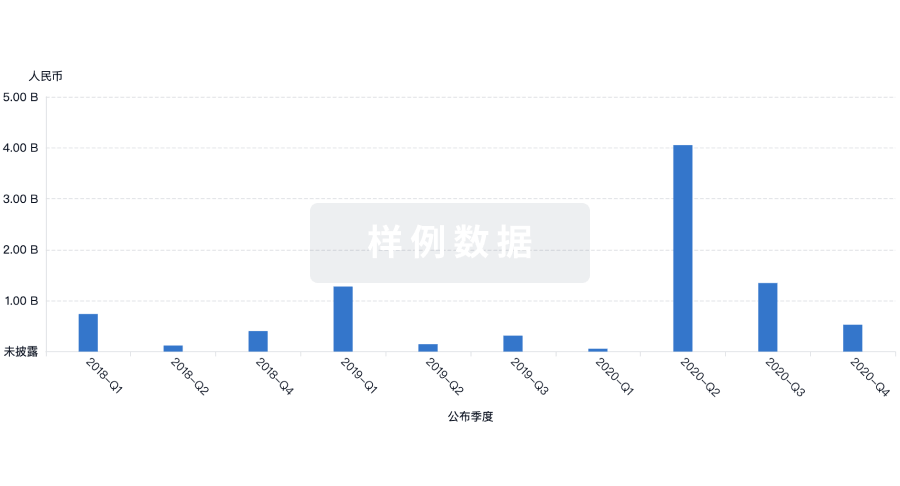
融资
发掘融资趋势以验证和推进您的投资机会。
登录
或
提出任何生物医药研究问题
让每一步生物医药决策都精准制胜
基于十亿级生物数据与全球情报的精准 AI,赋能早期药物发现
立即开始免费试用!
智慧芽新药情报库是智慧芽专为生命科学人士构建的基于AI的创新药情报平台,助您全方位提升您的研发与决策效率。
立即接入生物医药数据包
智慧芽新药库数据也通过智慧芽开放平台,以MCP或API服务形式对外开放。立即使用我们的MCP服务定制您的LLM智能体。
生物序列数据库
生物药研发创新
免费使用
化学结构数据库
小分子化药研发创新
免费使用